US Forces Capture Key ISIS Leader in Iraq-Syria Operations, Disrupt Terror Plots
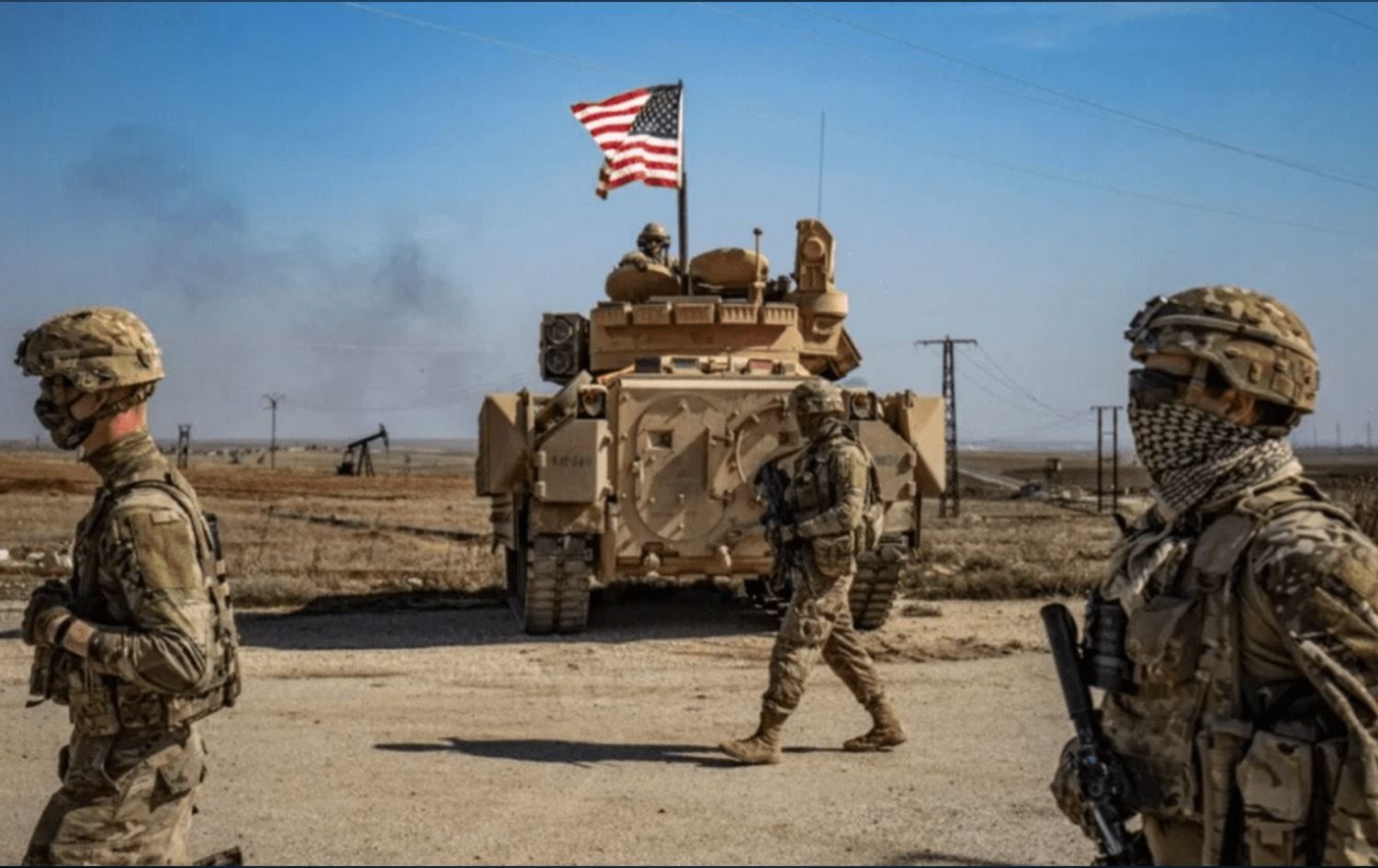
In a significant blow to the remnants of the Islamic State group, the United States military has announced the capture of a senior ISIS leader during a series of coordinated operations across Iraq and Syria. These missions, conducted between May 21 and May 27, were aimed at disrupting the group's ability to regroup and plan attacks.
According to US Central Command (CENTCOM), a total of six operations were carried out—five in Iraq and one in Syria. These resulted in the detention of two individuals, including a high-ranking ISIS leader, and the deaths of two other operatives. In addition, multiple weapons were seized, highlighting the ongoing threat the group still poses in the region.
General Michael Erik Kurilla, Commander of CENTCOM, emphasized the importance of these operations in maintaining pressure on ISIS. He said such missions demonstrate the steadfast commitment of the US and its international partners to ensure the enduring defeat of the terrorist organization.
Most of the Iraqi operations took place in the northern parts of the country, where isolated ISIS cells continue to operate and launch sporadic attacks against security forces. Despite having been militarily defeated in 2017 after the fall of its so-called caliphate, ISIS maintains a foothold in rural areas of Iraq and northeast Syria, frequently targeting Kurdish-led forces.
The once-powerful group had declared a “caliphate” in 2014 after capturing vast territories in both Iraq and Syria. Its rule was marked by brutal atrocities and strict ideological enforcement. Since its territorial defeat, ISIS has shifted its strategy to low-level insurgency, especially in regions with limited government control.
The United States currently has about 2,500 troops stationed in Iraq. These forces primarily serve in a support and advisory role, helping Iraqi forces maintain security and prevent any resurgence of extremist elements.
In a strategic shift, the US and Iraq have agreed to gradually end the international coalition’s military mission in Iraq. The mission is expected to conclude by late 2025 in federal Iraq, and by September 2026 in the Kurdistan region.
Amid these developments, an unexpected diplomatic move emerged. During a Gulf tour, US President Donald Trump reportedly met Syria’s interim President, Ahmed al-Sharaa, in Saudi Arabia. In a surprising announcement, Trump declared the lifting of US sanctions on Syria—signaling a potential shift in Washington's Middle East policy.
While the core of ISIS has been shattered, the group’s lingering presence remains a serious concern. With continued support from its international partners, the US aims to prevent ISIS from regaining strength and once again threatening regional or global security.
✍️ This article is written by the team of The Defense News.