US Ends Record 43-Day Shutdown as Debt Soars by $619 Billion
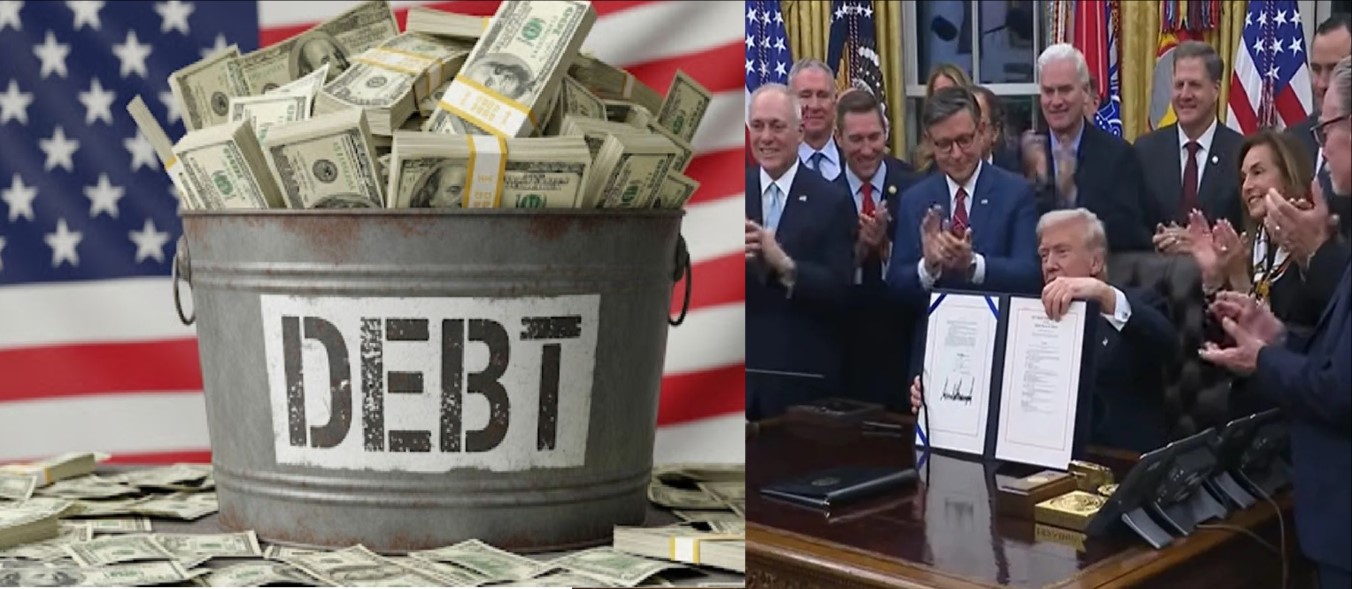
The United States has officially emerged from the record-setting 43-day federal government shutdown after President Donald Trump signed a bipartisan funding bill late Tuesday night, ending the longest shutdown in U.S. history.
Shutdown Ends After 43 Days
The shutdown—triggered on October 1 after Congress failed to pass budget legislation—paralyzed major portions of the federal workforce, stalled public services, and generated nationwide uncertainty. With the President's signature, federal agencies are now resuming full operations.
Massive Borrowing During Shutdown
Despite the government being partially closed, U.S. federal borrowing continued at full pace. Economic analysts estimate that during the shutdown, the United States added about $619 billion in new debt, averaging $14.4 billion per day.
Though unofficial, these figures circulated widely among financial observers and underscore a stark reality: even when the government shuts down, national debt keeps rising.
Human and Economic Costs
The shutdown furloughed nearly 900,000 federal employees, while more than 2 million essential workers worked without pay. It caused disruptions nationwide, including:
-
Air travel delays due to staffing shortages
-
Food-aid interruptions affecting low-income families
-
Delayed economic reports, including inflation and jobs data
-
Suspended federal services across multiple departments
Economists estimate that the shutdown led to $10–$12 billion in permanent economic damage, lost economic output that the U.S. will never fully recover.
What the Funding Bill Includes
The reopening bill provides:
-
Full-year funding for agencies like Veterans Affairs and Agriculture
-
Temporary funding for other departments until January 30, 2026
-
Back pay guarantees for all affected federal workers
-
Reimbursement programs for states that covered shutdown-related expenses
However, the core disagreement over Affordable Care Act (ACA) subsidies remains unresolved.
Political Fallout
Polls show widespread public frustration, with both parties blamed for the prolonged standoff. However, Republicans and President Trump faced heightened criticism due to their negotiating stance. The political impact is expected to extend into upcoming legislative battles, particularly over long-term budgets and the future of health-insurance subsidies.
A Shutdown With a High Price
Though operations have restarted, the shutdown highlights a troubling paradox: the U.S. government accumulated hundreds of billions in debt even while large parts were closed.
The estimated $619 billion debt surge during the shutdown places renewed pressure on Congress to address America’s structural deficit and prevent a repeat of this costly crisis.
If you want, I can also rewrite this with more bold emphasis, add sub-headlines, or create a shorter breaking-news version.
About the Author
Aditya Kumar:
Defense & Geopolitics Analyst
Aditya Kumar tracks military developments in South Asia, specializing in Indian missile technology and naval strategy.