U.S. Declares Venezuela’s Cartel de los Soles a Terrorist Group, Sets Stage for Possible Strikes
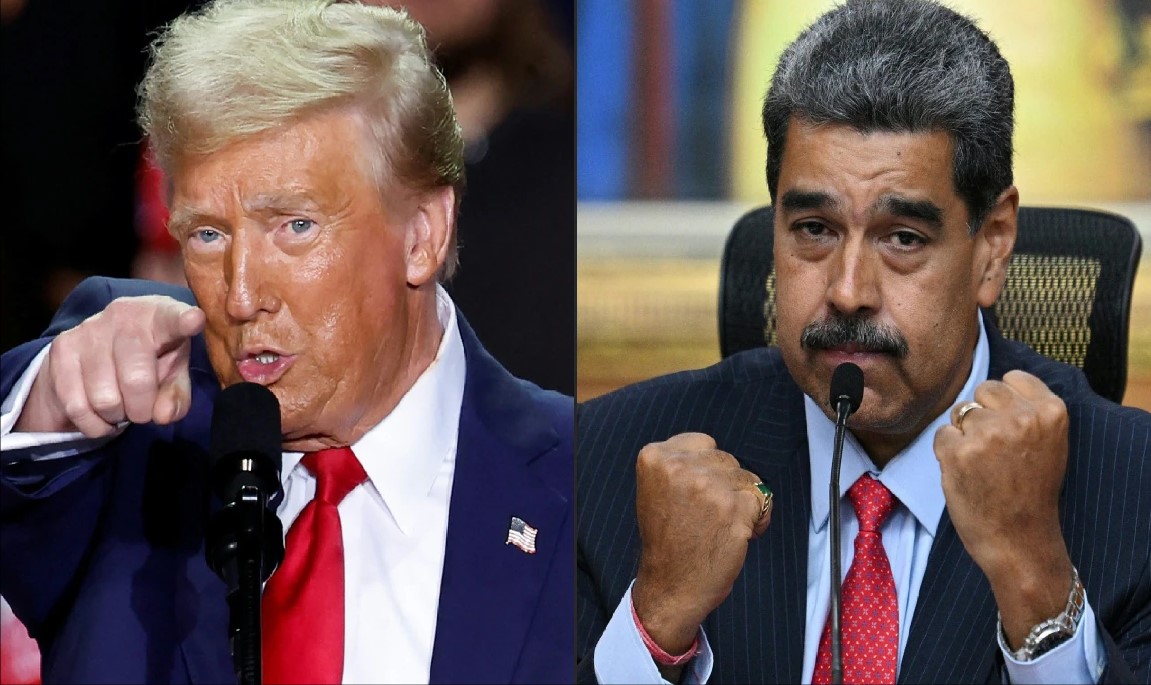
The U.S. Department of State has officially added the Venezuelan network Cartel de los Soles to its list of Foreign Terrorist Organizations (FTOs), a decision published today in the U.S. Federal Register. The move marks a major escalation in Washington’s confrontation with the government of Nicolás Maduro and paves the way for expanded U.S. military authority against Venezuelan targets.
According to U.S. officials, the cartel—comprised largely of Venezuelan military officers accused of running state-embedded narcotics operations—has been linked to transnational drug trafficking networks operating across the hemisphere. With the designation now formal, the Pentagon is expected to shift into a “new phase of actions” that could include combined strikes on Venezuelan territory.
Venezuela Condemns Decision as Prelude to Invasion
The Venezuelan government responded within minutes, issuing a sharp condemnation and calling the U.S. move “a dirty lie aimed at justifying an invasion of Venezuela.”
Caracas insists the designation is part of a long-running campaign to delegitimize the Maduro administration and create a legal pretext for military intervention. Venezuelan officials have also increased alerts across coastal and air-defence units, warning that any U.S. incursion would be met with force.
Regional analysts note that with today’s declaration, the formal and practical preparations for U.S. military action are essentially complete—leaving only the final presidential order before operations can commence.
U.S. Naval Posture Near Venezuela: A Quiet but Powerful Build-Up
In the weeks leading up to the FTO announcement, the United States significantly strengthened its military presence across the southern Caribbean.
Current U.S. Navy Fleet Status Near Venezuela:
-
A Carrier Strike Group, centred around a Nimitz-class or Ford-class carrier, has been operating in Caribbean waters—within operational range of key Venezuelan military installations.
-
Multiple Arleigh Burke–class destroyers and Ticonderoga-class cruisers are conducting continuous patrols and maritime surveillance.
-
An Amphibious Ready Group, including Marine expeditionary units, is stationed closer to the Lesser Antilles, positioned for potential rapid insertion or evacuation operations.
-
U.S. Air Force strategic bombers, operating from bases in Puerto Rico and Florida, have been conducting long-range maritime patrol patterns that analysts say are consistent with pre-strike mapping.
-
A network of drones, P-8A Poseidon aircraft, and other surveillance platforms are monitoring Venezuelan naval movements in the Caribbean.
Taken together, the deployment represents one of the largest U.S. forward naval presences near Venezuela since the early 2000s, giving Washington simultaneous strike, surveillance, and amphibious capabilities.
Why the U.S. Move Matters
The FTO designation grants the Department of Defense far broader latitude for direct action. Under the classification, U.S. forces may:
-
target the cartel’s alleged logistical nodes, safehouses, or transport infrastructure,
-
strike Venezuelan military assets linked to or protecting cartel networks,
-
freeze or seize any assets connected to the organization worldwide,
-
pursue operations under counter-terror authorities rather than solely narcotics or organized-crime frameworks.
For Washington, the designation creates a narrative of national security threat—one that justifies kinetic action without requiring the political burden of a full declaration of war.
Regional and Global Reactions
Latin American governments remain divided. While U.S. allies in Colombia and the Caribbean have remained cautious, several South American states—particularly Bolivia and Brazil—warn that military escalation could destabilize the region.
Venezuela has signaled that it may appeal to Russia, China, and Iran for diplomatic or logistical support, raising fears of a broader geopolitical confrontation.
Humanitarian groups have also expressed concern that any U.S. strike could worsen an already severe humanitarian crisis and potentially trigger another wave of mass migration.
Operation Imminent?
With the designation now legally binding, officials in Washington say the Pentagon’s “preparatory phase” is essentially complete. Intelligence mapping, force positioning, and logistical staging have been underway for weeks.
What remains is the final executive order authorizing operations.
If executed, the U.S. would likely begin with precision strikes on what it identifies as cartel-linked military facilities, followed by maritime interdiction operations targeting Venezuelan vessels suspected of supporting trafficking networks.
For now, the region is bracing for a critical moment that could redefine U.S.–Venezuela relations and alter the security landscape of the Caribbean.
About the Author
Aditya Kumar:
Defense & Geopolitics Analyst
Aditya Kumar tracks military developments in South Asia, specializing in Indian missile technology and naval strategy.
Top 6 Latest Posts

Leave a Comment: Don't Wast Time to Posting URLs in Comment Box

2025-11-25 15:46:37
It makes as much sense as Venezuela designating MAGA as a terrorist group and Donald Trump its leader. It would make Trump legitimate for removal by Venezuela. Clown world continues.
