U.S. Begins High-Risk Transfer of Up to 7,000 ISIS Detainees From Syria to Iraq
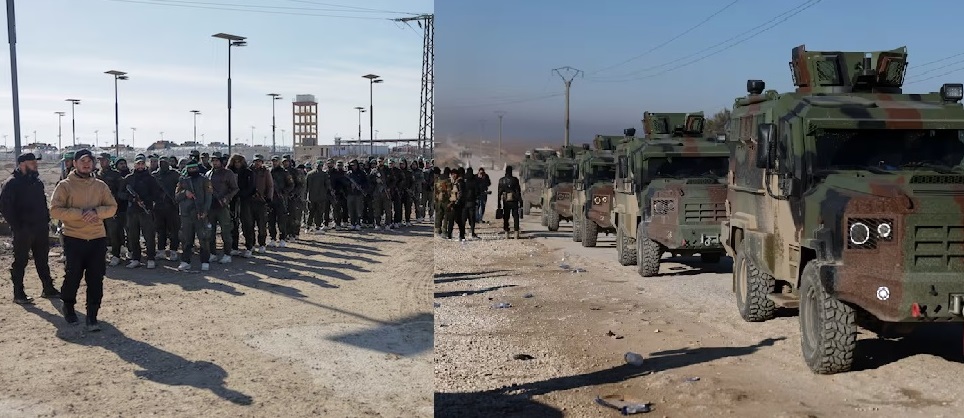
TAMPA / HASAKAH : The United States military has launched one of its largest and most urgent detainee relocation operations since the territorial defeat of ISIS, moving to transfer up to 7,000 captured militants from detention sites in northeastern Syria to fortified facilities inside Iraq. U.S. Central Command (CENTCOM) officials confirmed the operation began on January 21, reflecting growing concern that the collapse of local security arrangements could trigger a mass breakout and revive the extremist group’s operational capacity.
The mission, overseen by United States Central Command, started with the transfer of 150 high-value ISIS fighters from a detention facility in Hasakah to Iraqi custody. Military planners say the initial movement represents only the first phase of a broader extraction that could unfold over weeks, depending on security conditions on the ground and coordination with Iraqi authorities.
Security Vacuum in Northeastern Syria
The accelerated timetable follows the sudden withdrawal of the Syrian Democratic Forces (SDF) from several detention sites, including areas surrounding the sprawling Al-Hol camp. Kurdish officials cited sustained clashes with Syrian government units, logistical exhaustion, and what they described as diminishing international support as reasons for pulling back from positions they had guarded since 2019.
U.S. defense officials privately warned that the pullout created an immediate and dangerous vacuum. Al-Hol and adjacent detention facilities hold thousands of ISIS fighters and supporters, many of whom have attempted escapes, assassinations, and coordinated riots in recent years. Intelligence assessments circulated within CENTCOM reportedly concluded that even a limited breach could allow experienced operatives to reconstitute cells across Syria and Iraq within months.
“Facilitating the orderly and secure transfer of ISIS detainees is critical to preventing a breakout that would pose a direct threat to the United States, our partners, and regional stability,” said Adm. Brad Cooper, CENTCOM’s commander, in a statement released Wednesday.
Damascus Moves In as U.S. Strategy Shifts
As the SDF withdrew, Syrian government forces were reported to have entered sections of the Al-Hol perimeter, marking a significant shift in control over one of the most sensitive sites in the post-ISIS landscape. The development underscores a broader geopolitical realignment underway in the region.
U.S. diplomatic messaging has also evolved. According to regional reporting, U.S. Special Envoy for Syria Tom Barrack recently suggested that the strategic role of the SDF as long-term custodians of ISIS detainees had “expired,” signaling Washington’s increasing preference for managing the threat through state-to-state coordination with Iraq—and potentially Damascus—rather than reliance on non-state partners.
The remarks have unsettled Kurdish leaders, who for nearly seven years served as the primary jailers of ISIS prisoners on behalf of the U.S.-led coalition, often at significant cost.
Iraq Accepts a Central Role
Iraq, which has historically resisted accepting large numbers of ISIS detainees from Syria, has now emerged as the cornerstone of the new containment strategy. Officials in Baghdad agreed to the transfers under expanded security guarantees, intelligence-sharing arrangements, and U.S. logistical support.
Prime Minister Mohammed Shia' al-Sudani was reported to be near the Syrian border on Wednesday as the operation began, overseeing reinforced defensive lines and reviewing detention readiness. Iraqi security forces have spent months upgrading high-security prisons designed to hold senior ISIS commanders and foreign fighters considered too dangerous to remain in Syria’s deteriorating detention network.
“We are closely coordinating with regional partners, including the Iraqi government, and we sincerely appreciate their role in ensuring the enduring defeat of ISIS,” Adm. Cooper said.
The Scale of the Threat
Despite losing its territorial “caliphate,” Islamic State remains an active insurgent force. In 2025 alone, U.S. and partner forces detained more than 300 ISIS operatives across Syria and Iraq and killed at least 20 senior and mid-level fighters, according to coalition data. Intelligence agencies continue to warn that detention facilities themselves have become strategic targets for the group.
Al-Hol, once home to roughly 73,000 people at its peak, still houses an estimated 24,000 individuals. Among them are approximately 3,000 Iraqi nationals and thousands of hardline foreign ISIS affiliates concentrated in the heavily guarded “Annex,” which U.S. officials say will be prioritized in the current transfer operation.
A High-Risk, High-Stakes Operation
Military officials stress that the relocation effort is fraught with risk. Convoys must traverse contested terrain, detainees require constant aerial and ground security, and any disruption could spark coordinated escape attempts. Nevertheless, CENTCOM argues that the risks of inaction are far greater.
With northeastern Syria’s security framework unraveling and regional alliances shifting, the detainee transfer marks a decisive moment in the post-ISIS campaign—one that places Iraq at the center of containment efforts and signals a new phase in how Washington manages one of the world’s most persistent extremist threats.
About the Author
Aditya Kumar:
Defense & Geopolitics Analyst
Aditya Kumar tracks military developments in South Asia, specializing in Indian missile technology and naval strategy.