US Army to Retire Gray Eagle and Shadow Drones, Pushing for Next-Generation Autonomous Aircraft
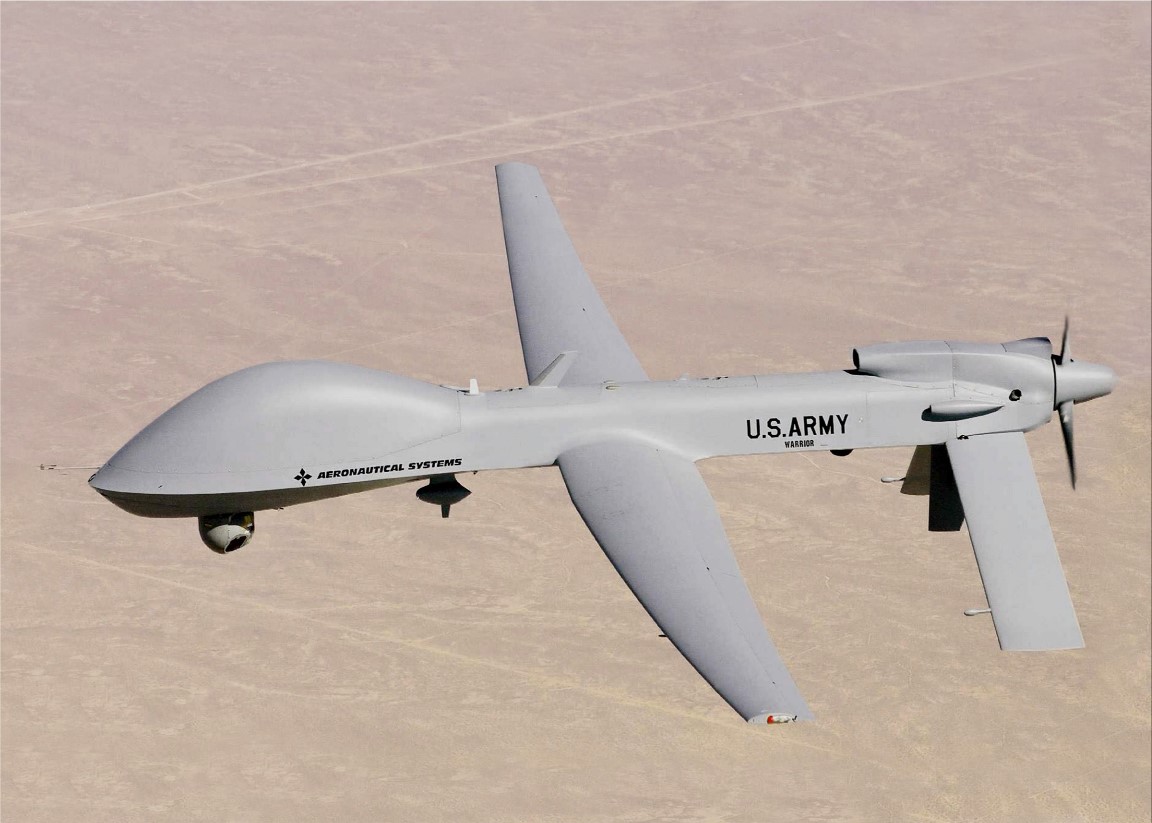
The US Army is preparing a major shift in its unmanned aerial systems (UAS) strategy, moving to retire its long-serving MQ-1C Gray Eagle and RQ-7B Shadow drones in favor of advanced, more autonomous platforms under the Army Transformation Initiative.
The decision follows earlier moves to halt further Gray Eagle procurement and cancel the Future Tactical Uncrewed Aircraft System (FTUAS) program, which had been intended to replace the retired Shadow. This pivot reflects the Army’s growing focus on shorter deployment timelines, flexible launch capabilities, and integration with modern battlefield technologies.
Divisions to Get Larger, More Capable UAS
Under current plans, newer Gray Eagle variants will continue to serve with upgrades until around fiscal year 2028, while older models will be phased out. The Gray Eagle, built by General Atomics, has been a core asset for intelligence, surveillance, and reconnaissance (ISR) missions, with the ability to carry guided munitions.
Its eventual replacement will be a Group 4 or Group 5 UAS capable of short or vertical takeoff and landing (STOL/VTOL), eliminating the need for traditional runways and allowing deployment from smaller, dispersed bases.
-
Group 4 drones: Weigh over 1,320 pounds, operate below 18,000 feet, and offer medium- to long-endurance missions.
-
Group 5 drones: The largest category, flying above 18,000 feet with extended endurance and greater payloads, suited for high-altitude ISR or strike missions.
The Army issued a request for information in mid-2024 and received over 10 proposals from industry, with a final requirements decision expected within the next few months. Fielding of the new system is aimed for 2028, and major players such as General Atomics are expected to compete, promoting their Gray Eagle 25M and STOL variants as candidates.
Brigades to Get New Group 3 Drones Faster
At the brigade level, the Army plans to skip lengthy procurement processes and instead purchase ready-made commercial drones. This approach is intended to quickly restore operational capability after the Shadow’s retirement in 2024 left brigades without a dedicated reconnaissance aircraft.
The initial buy will focus on Group 3 platforms — drones weighing between 55 and 1,320 pounds — with procurement potentially starting in fiscal 2026. Candidates will include former FTUAS competitors such as Griffon and Textron, alongside new entrants.
Over time, more advanced systems could be added in phases, pending leadership approval and budget allocation.
Why This Shift Matters
The Gray Eagle and Shadow have been workhorses for the US Army for decades, but the future battlefield demands faster, more survivable, and more adaptable aerial assets. In modern conflict scenarios, where anti-drone defenses are increasingly sophisticated, the ability to launch and recover drones from austere locations without large runways is becoming critical.
By moving toward VTOL-capable Group 4 and 5 systems for divisions and commercially sourced Group 3 drones for brigades, the Army aims to create a more distributed and resilient ISR and strike network. This modernization effort is also part of a broader push to integrate AI-driven mission planning, autonomous navigation, and modular payload systems into future UAS fleets.
If successful, the transition could mark one of the biggest overhauls of Army aviation in two decades, reshaping how US forces gather intelligence, track targets, and strike in contested environments.
✍️ This article is written by the team of The Defense News.