U.S. Army Successfully Deploys Hypersonic Missile System to Australia for First Time

In a significant military milestone, the United States Army has deployed its Long-Range Hypersonic Weapon (LRHW) system to Australia’s Northern Territory, marking the first time the advanced missile system has been sent outside the continental U.S. This high-profile deployment took place during Exercise Talisman Sabre 2025, the largest bilateral training operation between the U.S. and Australia.
The 3rd Multi-Domain Task Force (3MDTF) was responsible for this deployment, showcasing the unit’s capability to rapidly position and operate the LRHW system in a forward and potentially contested environment. This move is seen as a demonstration of both military readiness and strategic intent by the U.S. Indo-Pacific Command.
According to Admiral Samuel J. Paparo, Commander of U.S. Indo-Pacific Command, “The deployment of the LRHW system to Australia marks a significant achievement... It validates the Army’s ability to deploy, position, and exercise command and control (C2) of the system in a forward environment.”
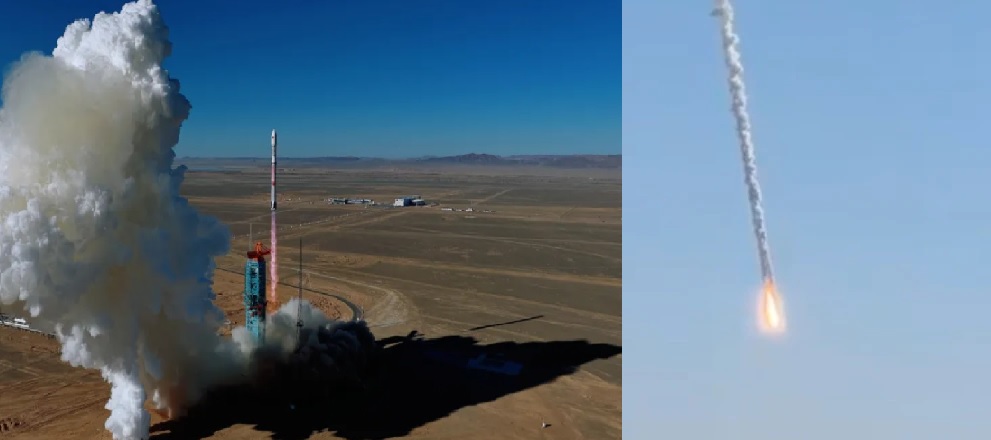
The LRHW system is capable of precision deep strikes at hypersonic speeds, meaning it can hit targets thousands of kilometers away in a matter of minutes. This makes it a key component in the U.S. military’s future arsenal, especially in the Indo-Pacific, where fast response to threats is crucial.
Colonel Wade Germann, Commander of the 3MDTF, emphasized that the deployment highlights U.S. commitment to regional partners. “This is a major milestone for the Army... It demonstrates our ability to rapidly deploy and operate advanced capabilities in support of our allies and partners,” he said.
The Talisman Sabre exercise, held every two years, is designed to improve joint operations between the U.S. and Australian militaries, with broader objectives of strengthening ties and enhancing regional deterrence. This year’s event includes over 30,000 personnel and participation from allied nations such as Japan, the United Kingdom, and South Korea.
Military analysts note that hypersonic weapons, which travel at speeds greater than Mach 5, are nearly impossible to intercept using current missile defense systems. By demonstrating the ability to operate the LRHW in the Indo-Pacific, the U.S. sends a clear signal about its readiness to defend allied territory and deter adversaries.
The deployment also underlines the U.S.-Australia strategic partnership, as both countries deepen their cooperation in emerging defense technologies and integrated deterrence strategies. It’s a key step in adapting to new-era threats in the Indo-Pacific, particularly in light of rising tensions and expanding military capabilities of regional powers.
In short, this historic forward deployment of the LRHW system not only marks a technical and operational achievement for the U.S. Army but also sends a strong geopolitical message: the U.S. is fully committed to ensuring peace, stability, and defense cooperation across the Indo-Pacific.
✍️ This article is written by the team of The Defense News.