U.S Approves $47 Million Excalibur Artillery Sale to India
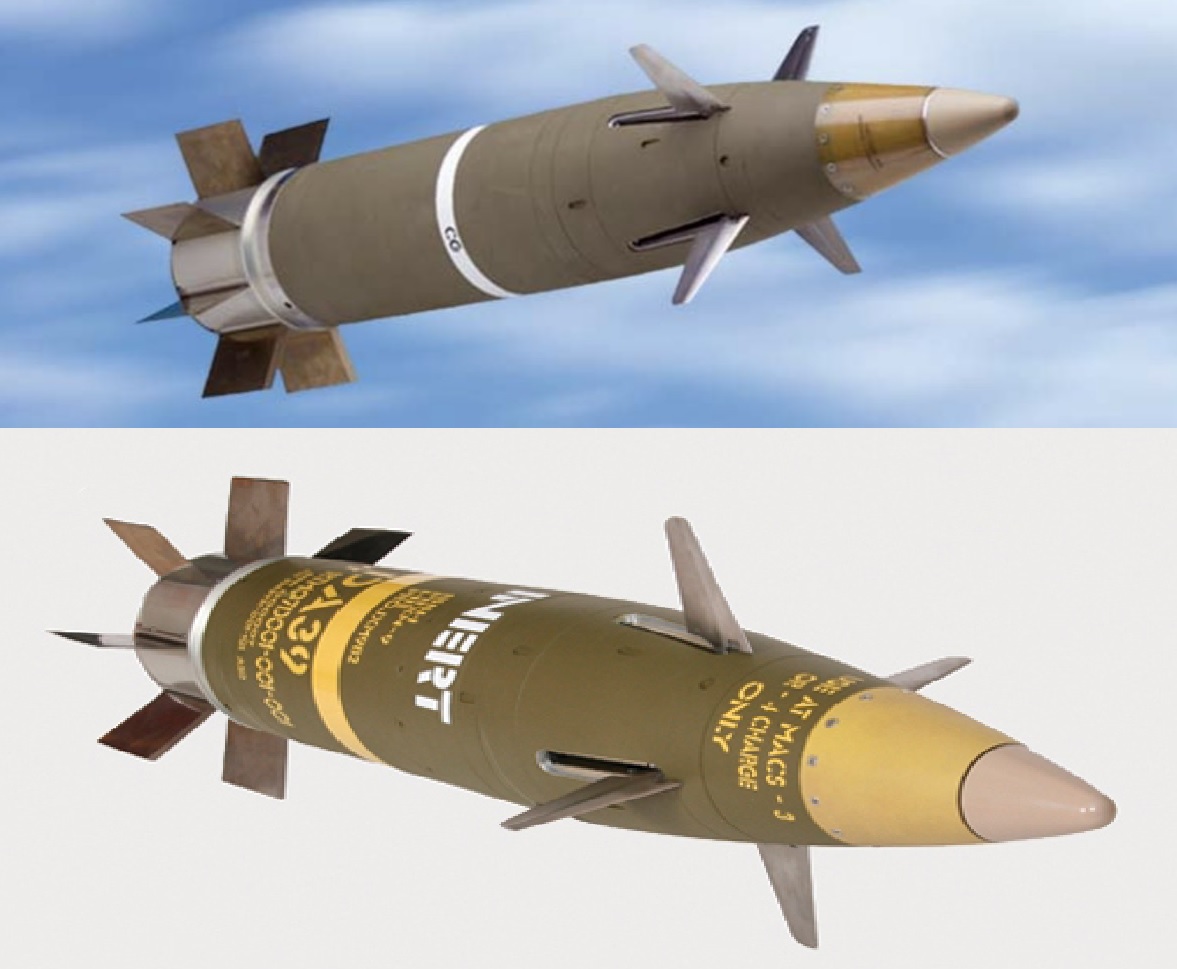
The U.S. State Department has granted a formal determination under its foreign military sales (FMS) programme approving a possible sale to India of up to 216 units of the M982A1 Excalibur 155 mm GPS/INS-guided artillery projectiles along with related equipment, services and support for an estimated cost of USD 47.1 million.
Although earlier press reports reference a broader package (including anti-tank missiles) valued at around USD 93 million, this particular notification covers only the Excalibur portion — “the description and dollar value are for the highest estimated quantity and dollar value based on initial requirements. Actual dollar value will be lower depending on final requirements, budget authority, and signed sales agreement(s), if and when concluded.”
Package Details
The approved sale comprises:
-
Up to 216 M982A1 Excalibur tactical projectiles
-
Ancillary items and accessories
-
Portable Electronic Fire Control Systems (PEFCS) with an Improved Platform Integration Kit (iPIK)
-
Primers and propellant charges
-
U.S. Government technical assistance, technical data, and repair-and-return services
-
Other related logistics and programme support
Additional publicly-reported details indicate the unit cost of the Excalibur round is roughly USD 90,000, and the prime contractor is Raytheon Missiles & Defense.
What Makes Excalibur Different?
The M982/M982A1 Excalibur represents a major leap in artillery technology compared with conventional 155 mm shells. Key differentiators include:
-
GPS + INS Guidance: Provides far superior accuracy.
-
Accuracy: Excalibur’s CEP is around 4 metres, compared to tens or hundreds of metres for conventional shells.
-
Extended Range: Uses folding glide fins to reach 40–57 km or more depending on the firing platform.
-
First-round hit & reduced collateral damage: Fewer rounds needed, higher precision.
In short, while a standard artillery shell may need multiple rounds to destroy a target, Excalibur is designed to hit a point target with a single shot.
India’s Use and Role in Indian Artillery
India has already taken steps to integrate the Excalibur into its artillery forces. In December 2019, the Indian Army test-fired M982 Excalibur rounds from an M777 towed 155 mm howitzer at the Pokhran firing range in Rajasthan.
Earlier reports indicated that India had procured an initial batch of approximately 600 rounds of the M982 in 2019 — around 500 with 20 metre accuracy and around 100 rounds with 2 metre accuracy.
The Indian Army’s artillery inventory of 155 mm calibre includes multiple gun systems (such as the M777 ultra-light howitzer, the K9 Vajra-T, and Dhanush among others) and the Excalibur is compatible with all those systems.
Thus, the current approved sale represents an extension or replenishment of those existing precision capabilities.
Strategic Implications
The approval of this FMS case carries both operational and diplomatic significance. Operationally, the acquisition of additional guided artillery rounds enhances India’s ability to engage high-value or time-sensitive targets with fewer rounds, fewer exposures, and reduced collateral damage — an important capability in complex terrain and along contested borders.
Diplomatically, it signals deepening defence cooperation between the United States and India. By approving this transaction, the U.S. emphasises India’s status as a major defence partner and lends support to its regional security role. The fact that the package bundles precision munitions, electronic fire-control systems and sustained support underscores long-term cooperation rather than a one-off sale.
Next Steps & Considerations
Key points going forward:
-
The sale is “possible,” not final — India must submit its final requirements.
-
Actual quantity and cost may be lower.
-
Integrating PEFCS with iPIK will be essential for full capability.
-
India must manage sustainment, training, and logistics.
-
Excalibur’s high cost means it will be used for high-value targets, not routine artillery missions.
-
India already operates Excalibur, so training and integration challenges are minimal.
This potential USD 47.1 million FMS case for up to 216 M982A1 Excalibur precision rounds marks another step forward in India’s artillery modernisation and in U.S.–India strategic defence cooperation.
With its GPS/INS guidance, glide-fin range extension, and near-pinpoint accuracy, Excalibur significantly enhances India’s capacity to conduct precision strikes.
As both nations move toward finalising the agreement, the deal stands to strengthen India’s deterrent capabilities while reinforcing the broader strategic partnership between New Delhi and Washington.
About the Author
Aditya Kumar:
Defense & Geopolitics Analyst
Aditya Kumar tracks military developments in South Asia, specializing in Indian missile technology and naval strategy.