US Air Force Plans to Acquire Shahed-136 Replica Drones to Develop Countermeasures
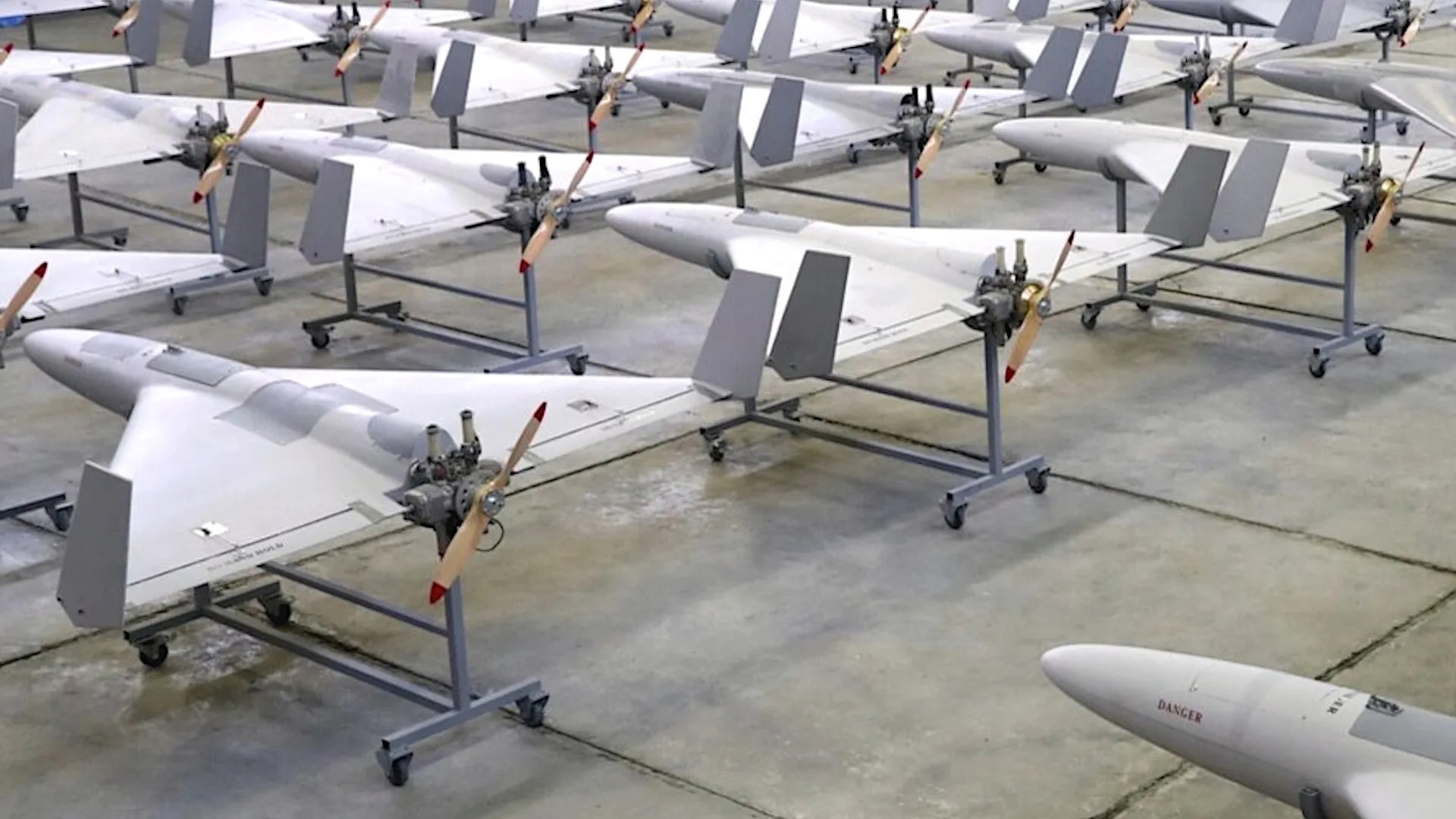
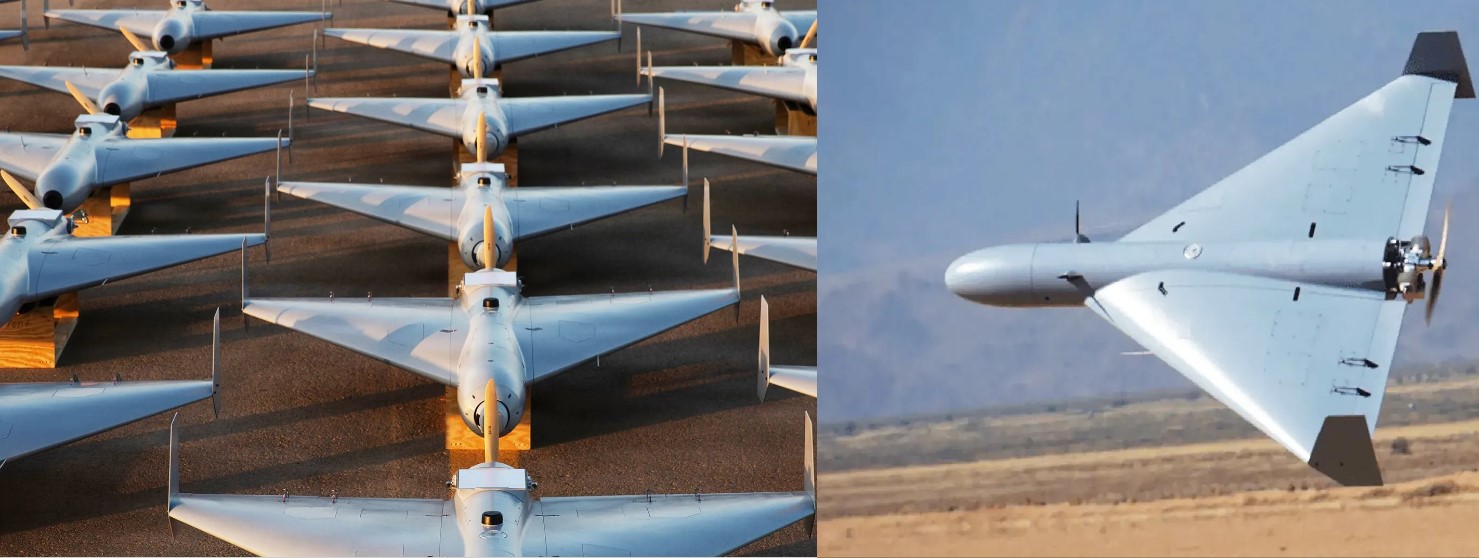
Washington, August 2025 – The US Air Force has announced plans to acquire 1:1 replicas of the Iranian-origin Shahed-136 drones, which Russia has been using extensively in its campaign against Ukraine. The move is aimed at enhancing American counter-drone capabilities by studying and simulating the operational characteristics of these low-cost, long-range loitering munitions.
Details of the Requirement
According to the Air Force’s request, the replica drones must mirror the form, fit, and function of the Shahed-136, also known in Russia as the Geran-2. The initial order covers 16 drones, with an option to acquire 20 additional units later.
The specifications for the replicas include:
-
Gas-powered propulsion with a minimum range of 80 kilometers (50 miles).
-
Weight between 25 and 599 kilograms (55–1,320 pounds).
-
Flight ceiling below 5,486 meters (18,000 feet).
-
Maximum speed under 463 km/h (250 knots).
-
Autonomous take-off and landing via pneumatic launch systems.
-
Operation and maintenance by no more than three personnel.
-
Open system architecture to allow payload integration and software modifications.
Notably, the replicas do not need to include advanced features such as GPS-denied navigation or radar evasion, as the focus is on replicating the drone’s basic performance to design countermeasures.
Shaheds on the Ukrainian Front
The Shahed-136 has become one of the most visible weapons in Russia’s arsenal against Ukraine. Initially deployed in small numbers, Russia has drastically increased its use, launching upwards of 1,000 drones weekly in recent months. The drones are primarily aimed at overwhelming Ukraine’s air defense systems, striking infrastructure, and demoralizing civilian populations.
Key features of the operational Shahed-136 include:
-
Range of 970 to 2,500 kilometers (602–1,553 miles).
-
Endurance of up to 40 minutes.
-
Warhead capacity of around 40 kilograms (88 pounds).
-
Low production cost of $20,000–$50,000 each, making them difficult to counter economically with expensive interceptor missiles.
Why the US Needs Replicas
For the US military, understanding the Shahed’s design is vital. Unlike expensive high-tech drones, the Shahed-136 demonstrates how affordable and mass-produced loitering munitions can alter the balance of modern warfare. By studying the drone in controlled environments, the Air Force aims to:
-
Develop low-cost interception methods.
-
Train crews against swarm tactics.
-
Test electronic warfare and AI-driven defense systems.
-
Strengthen forward-deployed air defense networks in Europe, the Middle East, and the Indo-Pacific.
Global Countermeasures
Ukraine and its allies have already begun experimenting with counter-Shahed technologies, including:
-
FPV (first-person view) drones used as interceptors.
-
A specially designed “Shahed-killer” missile.
-
AI-powered air defense turrets that can automatically track and shoot down incoming drones.
The US Air Force hopes its replica program will allow faster integration of similar or more advanced solutions into its arsenal.
Strategic Implications
The Shahed-136 has highlighted a fundamental shift in warfare—where cheap, expendable systems can neutralize or exhaust multi-million-dollar defense systems. By investing in realistic test platforms, the United States is preparing to confront not only Iranian and Russian drone tactics but also similar threats from other adversaries.
As one defense analyst noted, the Air Force’s program underscores a simple reality: to beat the Shahed, you must first understand it inside and out.
✍️ This article is written by the team of The Defense News.