US Air Force Launches Navigation Satellite NTS-3 on Vulcan Rocket, Marking New Era in GPS Technology
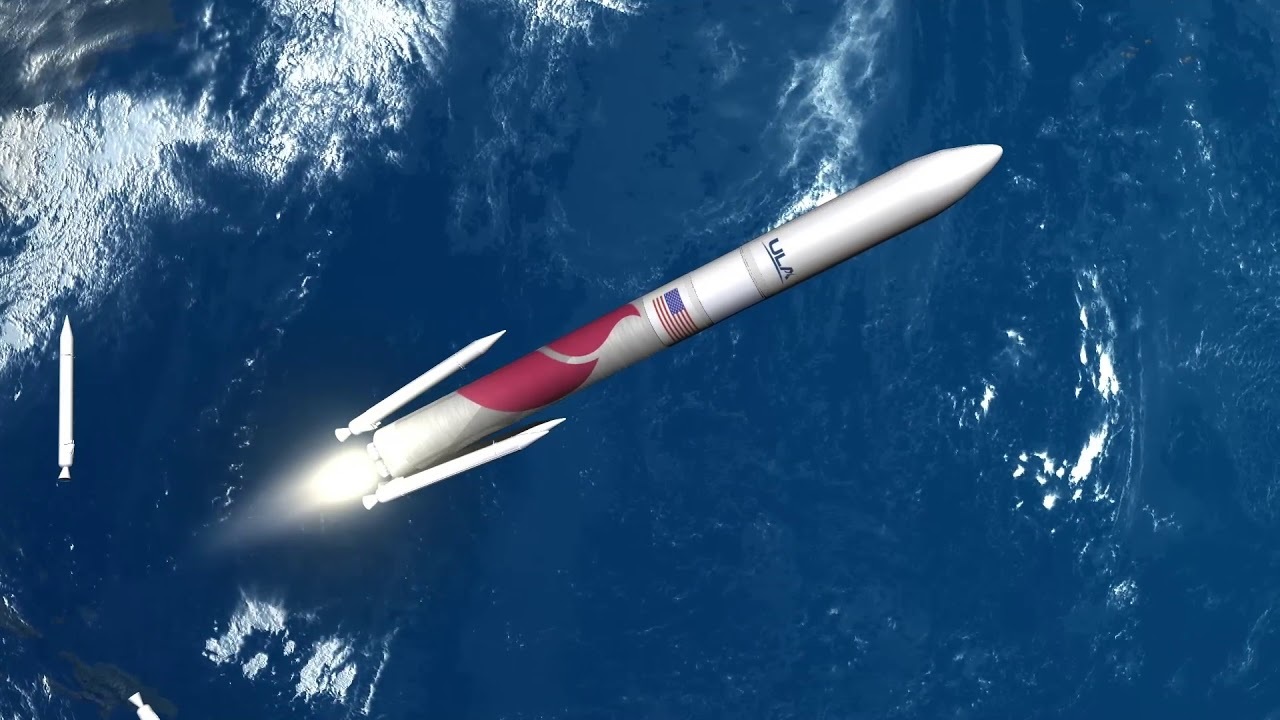
The US Air Force Research Laboratory (AFRL) has successfully launched the Navigation Technology Satellite-3 (NTS-3), a next-generation spacecraft designed to strengthen America’s dominance in global navigation and positioning systems. The satellite was lifted into orbit from Cape Canaveral Space Force Station in Florida aboard a United Launch Alliance (ULA) Vulcan rocket, in a mission officially designated USSF-106.
The NTS-3 is not just another satellite—it is a prototype for the future of GPS. Unlike traditional systems, it has been built to resist jamming, counter spoofing, and adapt in real time. Using software updates that can be uploaded directly from Earth, the satellite avoids the costly hardware replacement cycles that have historically limited GPS upgrades.
Equipped with a state-of-the-art atomic clock, a reprogrammable signal receiver, and advanced authentication protocols, NTS-3 promises greater accuracy and security for both military and civilian users. The spacecraft has been placed in geosynchronous orbit, where it will undergo a two-year experimental phase to test its resilience and precision in real-world conditions.
Defense experts note that such advancements are critical as global reliance on GPS grows—from aircraft navigation and precision-guided weapons to agriculture, mobile networks, and even banking systems. By improving Positioning, Navigation, and Timing (PNT) resilience, NTS-3 is expected to ensure that the US can stay ahead of rivals who are investing heavily in electronic warfare aimed at disrupting GPS signals.
The launch also marked the first national security mission aboard ULA’s new Vulcan rocket, a powerful next-generation launch vehicle. Standing 202 feet tall and weighing 1.74 million pounds, the Vulcan comes with the advanced Centaur V upper stage, which offers far greater performance and endurance than its predecessors. ULA has already described this flight as a “catalyst for a new era in national space security.”
Industry leaders have praised the launch as a milestone. ULA CEO Tory Bruno highlighted that Vulcan is designed to give the US unmatched flexibility in space operations, making it a cornerstone of national defense strategy. Since its founding in 2006, ULA has carried out over 130 critical missions for the Pentagon and intelligence agencies, but this flight represents a turning point—pairing a brand-new rocket with a game-changing satellite program.
For AFRL, NTS-3 is more than an experiment—it is a pathfinder for the next generation of navigation satellites. If successful, many of its features could be integrated into future GPS systems, ensuring that the US military, allies, and civilian infrastructure maintain reliable navigation even in contested environments.
✍️ This article is written by the team of The Defense News.