U.S. Air Force Deploys First F-15E Strike Eagles with Advanced EPAWSS Technology
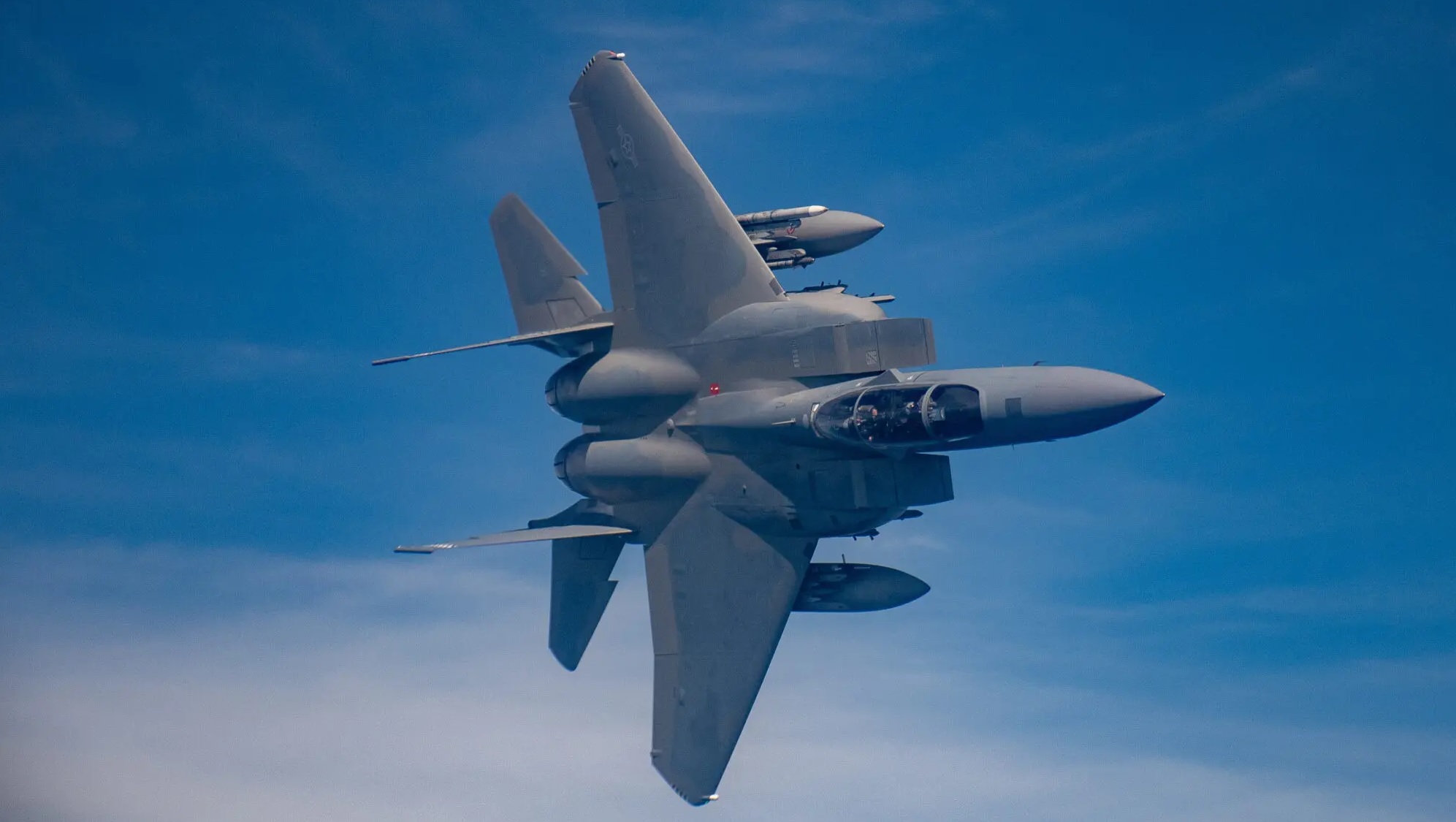
The United States Air Force (USAF) has achieved a major milestone in its modernization efforts with the delivery of the first F-15E Strike Eagles equipped with the state-of-the-art Eagle Passive/Active Warning and Survivability System (EPAWSS). These aircraft arrived at RAF Lakenheath in England on January 16, marking a transformative leap in the combat capabilities of the F-15 fleet.
The Role of EPAWSS in Modern Combat
EPAWSS replaces aging Cold War-era electronic warfare systems, introducing a next-generation suite designed to handle the complexities of today’s threat landscape. Developed by BAE Systems and integrated by Boeing, this technology empowers the F-15E with the ability to autonomously detect, identify, and counter threats.
This advanced system significantly enhances situational awareness for pilots. By leveraging real-time threat detection and countermeasures, EPAWSS provides comprehensive electronic protection, ensuring that the F-15E can operate effectively in contested environments. The system also includes adaptive capabilities that allow it to evolve with software updates, ensuring long-term relevance against emerging threats.
Brigadier General Jason Voorheis, Program Executive Officer for the Air Force Life Cycle Management Center’s Fighters and Advanced Aircraft Directorate, emphasized the importance of this system, stating, “EPAWSS significantly improves the survivability and lethality of the F-15E and F-15EX.”
Key Specifications of the F-15E with EPAWSS
The integration of EPAWSS into the F-15E Strike Eagle includes the following advancements:
- Electronic Threat Detection: Autonomous systems that identify and respond to radar and missile threats in real time.
- Enhanced Countermeasures: Advanced jamming and decoy capabilities to disrupt enemy radar and missile tracking systems.
- Situational Awareness: Improved pilot displays and data integration for better decision-making during combat.
- Adaptability: Open-architecture design that supports software upgrades, ensuring the system can counter evolving threats.
These enhancements work in tandem with the F-15E’s formidable capabilities, including its top speed of Mach 2.5, a combat range of approximately 1,200 miles, and the ability to carry up to 23,000 pounds of mixed ordnance.
A Decade of Development
The development and deployment of EPAWSS is the result of over a decade of collaboration between government and industry teams. According to Lt. Col. Matt Heil, Materiel Leader for F-15 EPAWSS, “This achievement represents 11 years of focused effort and innovation.” Heil also highlighted the system’s critical role in ensuring the safety and effectiveness of F-15 aircrews in today’s high-stakes operational environments.
The Future of the F-15 Fleet
Boeing, which produces the F-15EX Eagle II and integrates EPAWSS, has ensured seamless compatibility with the F-15E platform. The F-15EX, the most advanced version of the Eagle, will also benefit from EPAWSS as part of its baseline configuration.
The deployment of these upgraded aircraft underscores the USAF’s commitment to maintaining air superiority in the face of growing global threats. As EPAWSS-equipped F-15Es join the fleet, the Air Force will continue to strengthen its operational readiness and technological edge.
This milestone signals the beginning of a new era for the F-15 program, blending proven airframe performance with cutting-edge electronic warfare capabilities to address the challenges of 21st-century warfare.
About the Author
Aditya Kumar:
Defense & Geopolitics Analyst
Aditya Kumar tracks military developments in South Asia, specializing in Indian missile technology and naval strategy.