U.S. Actually Funded Advanced Chinese Military Aviation Research Worth Billions in Just Two Years?
Washington, September 5, 2025 : A new report from House Republicans on the Select Committee on the Chinese Communist Party has revealed that the U.S. Department of Defense inadvertently funded advanced research projects that significantly accelerated China’s military aviation programs.
The report states that over the past two years, more than $2.5 billion in taxpayer-funded grants supported around 1,400 research papers in collaboration with Chinese universities and institutes tied directly to Beijing’s defense industry. Many of these institutions are officially blacklisted by the U.S. government for their connections to the People’s Liberation Army (PLA).
Findings
The funded projects spanned hypersonic systems, artificial intelligence, semiconductors, advanced materials, quantum sensing, ISR technologies, and next-generation propulsion — all critical fields for modern warfare.
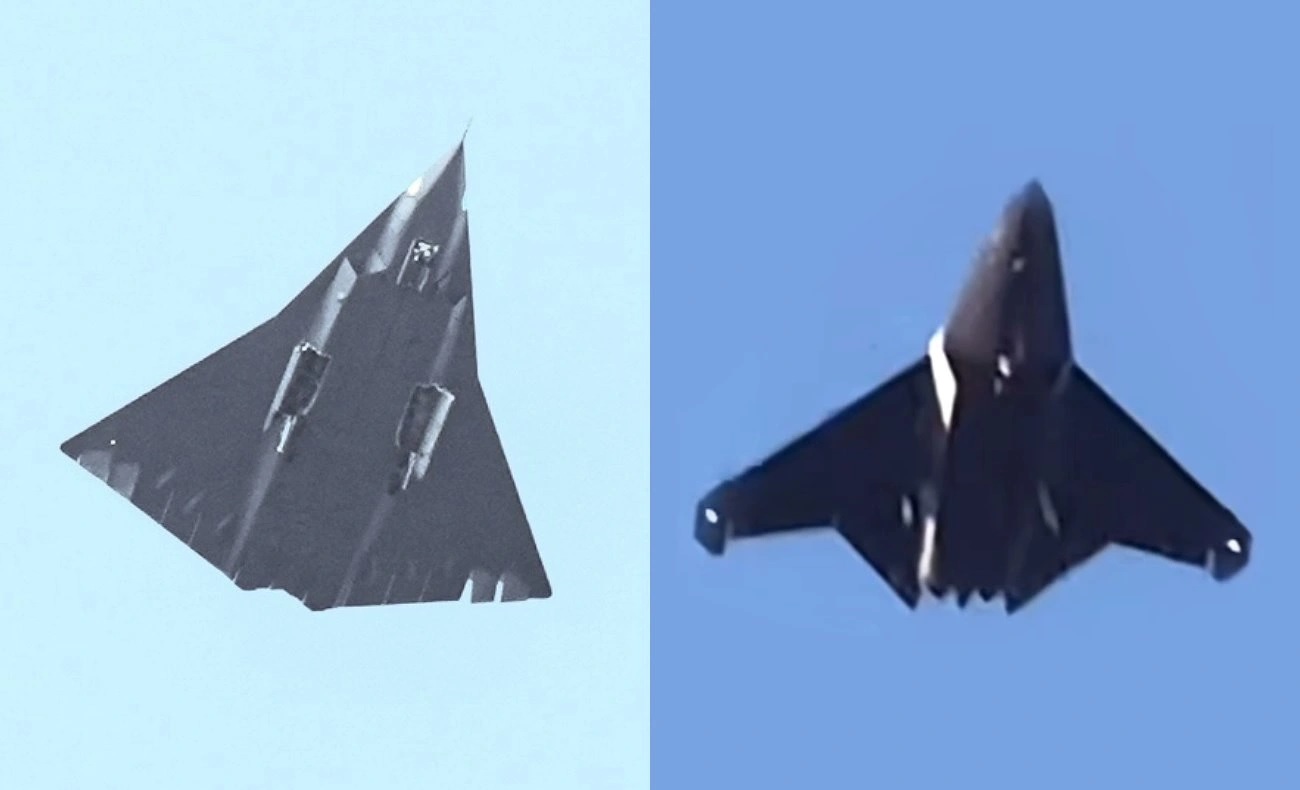
Lawmakers warned that this research likely contributed to China’s unveiling of its J-36 sixth-generation stealth fighter, advancements in the J-35A fifth-generation jet, and the development of the H-20 stealth bomber, giving Beijing an edge in the race for air superiority.
Political and Military Response
Republican members of Congress described the findings as “shocking” and “a failure of oversight.” They accused the Pentagon of allowing sensitive technologies to slip into the hands of America’s chief rival. Legislation is now being prepared to prohibit defense funding for collaborations with foreign institutions tied to military programs.
The Chinese Embassy dismissed the allegations, calling the report politically motivated and without merit.
Global Implications
The revelations come at a time of intense rivalry between Washington and Beijing for technological and military dominance. Experts warn that the inadvertent U.S. funding has narrowed the technological gap between the two powers and could tilt the balance of air power in Asia.
U.S. allies in the region — Japan, South Korea, Taiwan, the Philippines, and India — are already responding with new defense deals to counter China’s growing might.
For India, the implications are severe. China maintains nearly double the number of fighter squadrons compared to the Indian Air Force. With the potential transfer of advanced Chinese technology to Pakistan — as seen in the deployment of the long-range PL-15E missile — New Delhi faces mounting pressure to accelerate its own modernization.
Next Steps
The report calls for urgent action, including tighter oversight of academic collaborations, new legislation to close loopholes, and safeguards to ensure U.S. taxpayer funds never again fuel the rise of a rival’s military power.
As Washington confronts a new phase of great-power competition, the findings underscore a sobering reality: America’s own money may have helped sharpen the cutting edge of China’s air combat capabilities.
✍️ This article is written by the team of The Defense News.