UK and Australia Signed 50-Year AUKUS Nuclear Submarine Pact in Geelong
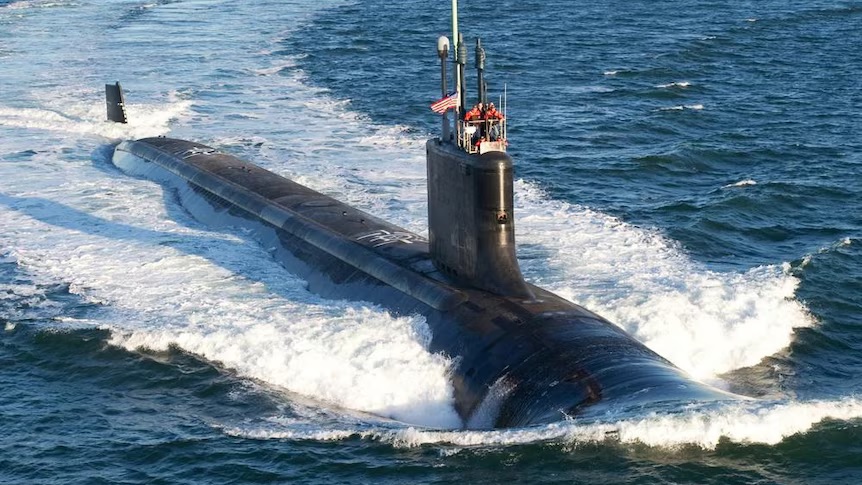
In a major step forward for the AUKUS alliance, Australia and the United Kingdom signed a landmark 50-year agreement on July 26, 2025, to cooperate on nuclear-powered submarines. Known as the Geelong Treaty, the pact was formalised in Geelong, Victoria, and marks a long-term strategic commitment under AUKUS Pillar I, which focuses on nuclear-powered submarine capabilities.
The treaty was signed during the UK-Australia Defence Ministers’ Meeting by Australia’s Deputy Prime Minister and Defence Minister Richard Marles and the UK’s Defence Secretary John Healey. This agreement lays the groundwork for both nations to collaborate on designing, building, operating, and maintaining a new generation of SSN-AUKUS submarines.
Beyond just submarines, the treaty supports the development of a broader ecosystem—covering infrastructure, workforce, training systems, and nuclear regulation—required for Australia’s nuclear-powered submarine program. It also ensures full compliance with international nuclear non-proliferation agreements, including the Treaty on the Non-Proliferation of Nuclear Weapons and the South Pacific Nuclear Free Zone Treaty.
A key feature of the treaty includes port visits and rotational deployment of the UK’s Astute-class submarines at HMAS Stirling in Western Australia. This forms part of the Submarine Rotational Force – West, further integrating UK forces into Australia’s strategic naval presence.
The agreement is also aimed at strengthening trilateral cooperation between Australia, the UK, and the United States, by enhancing shared supply chains and technological capabilities under the broader AUKUS framework. Officials said this collaboration is critical for maintaining security in both the Indo-Pacific and Euro-Atlantic regions.
According to Richard Marles, the Geelong Treaty highlights the deep trust between the two countries and will help Australia acquire conventionally-armed, nuclear-powered submarines. He stressed that this effort will be backed by a growing pool of skilled workers, advanced infrastructure, and cutting-edge technologies.
UK Defence Secretary John Healey described the treaty as a "historic milestone" and reaffirmed the UK’s long-term commitment to the Indo-Pacific through AUKUS. He noted that this agreement reflects not just military cooperation but also economic and industrial partnership, with both countries expected to see thousands of jobs created and significant growth in their defence industries.
Together with the AUKUS Naval Nuclear Propulsion Agreement (ANNPA), the treaty signals a significant leap in undersea capabilities and sets the stage for decades of strategic defence cooperation between Australia and the UK—anchored in shared values, regional stability, and technological leadership.
✍️ This article is written by the team of The Defense News.