UK Politician Cites Report Alleging Chemical Attacks on Iranian Protesters
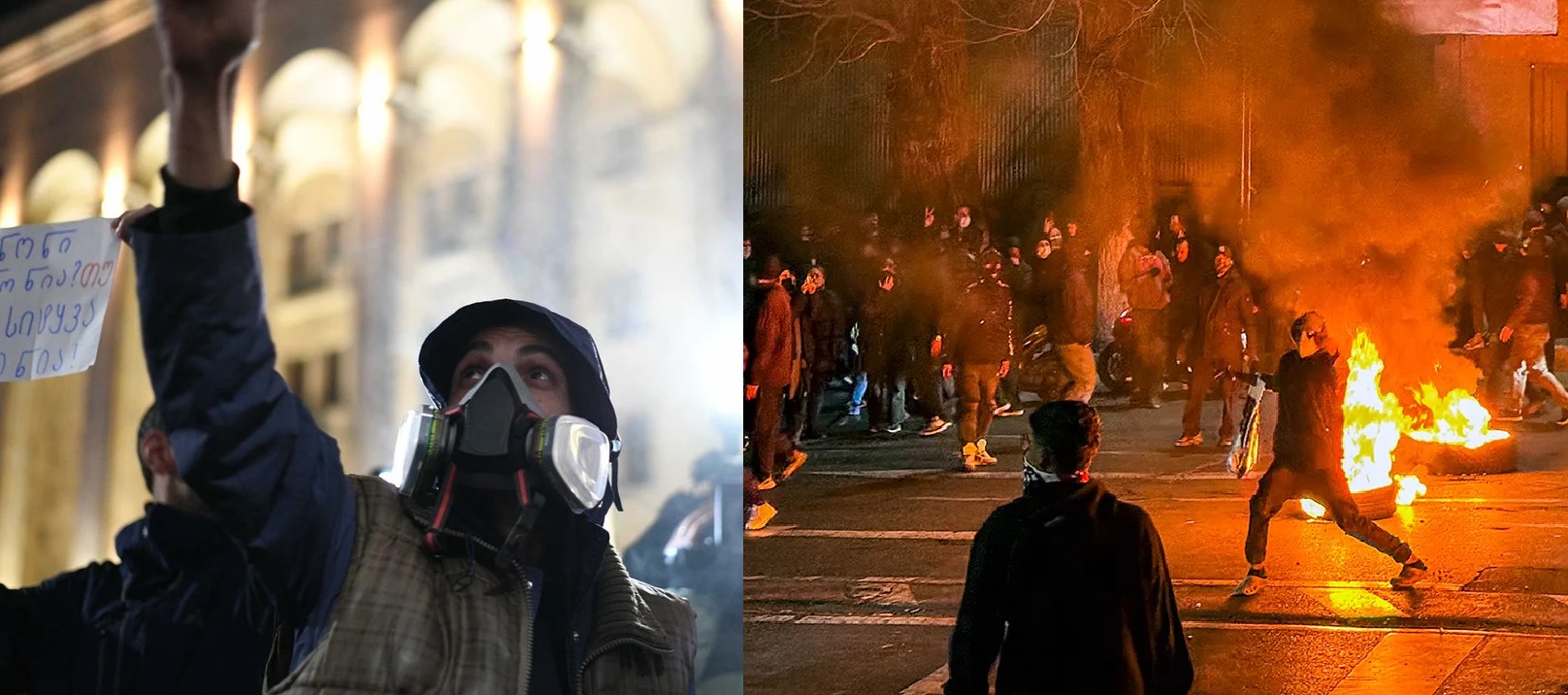
LONDON / TEHRAN : Fresh allegations that Iran’s authorities may have deployed a toxic chemical agent against civilian protesters have injected new urgency into an already volatile confrontation between the Islamic Republic and the West, raising the prospect of intensified international pressure and, if substantiated, far-reaching legal and strategic consequences.
The claims surfaced after a member of the UK Labour Foreign Policy Group said he received what he described as a credible briefing shortly before appearing on a British television broadcast. According to the account, security forces responding to anti-government demonstrations allegedly used a “toxic chemical substance” against crowds. Several victims were reported to have fallen ill immediately, while others are said to have died days later, suggesting delayed physiological effects consistent with exposure to certain chemical agents.
No independent verification has yet been produced, and Iranian authorities have not acknowledged the use of any such substances. Tehran has historically rejected similar accusations, framing reports of human-rights abuses as politically motivated fabrications. Nonetheless, the seriousness of the allegation has prompted renewed scrutiny among diplomats, human-rights investigators, and defense analysts monitoring Iran’s internal unrest.
If confirmed, the use of chemical agents against civilians would represent a grave breach of international norms. Chemical weapons are prohibited under the Chemical Weapons Convention, which bans their development, stockpiling, and use under any circumstances. Deployment against unarmed protesters would also constitute a major human-rights violation, potentially triggering international investigations and opening the door to sanctions or other punitive measures.
Iran has faced repeated waves of protest in recent years, driven by economic hardship, political repression, and demands for greater personal freedoms. Security crackdowns have often involved mass arrests, internet shutdowns, and the use of crowd-control weapons. The new allegation, however, goes far beyond previous claims of excessive force, placing the regime under suspicion of crossing a red line long regarded as taboo in domestic law enforcement.
Western officials caution that assessing events inside Iran remains extremely difficult. Independent media access is tightly restricted, foreign journalists are rarely permitted to operate freely, and information from inside the country often emerges through fragmented eyewitness accounts, social-media footage, or activist networks operating under intense pressure.
Despite these uncertainties, the geopolitical implications are already being debated openly. Some analysts argue that credible proof of chemical-weapons use could harden the stance of the United States and its allies, particularly Israel, both of which have long accused Tehran of destabilizing behavior at home and abroad. In such a scenario, diplomatic isolation could deepen rapidly, and the risk of military escalation—whether direct or indirect—would rise sharply.
Others urge caution, warning that premature conclusions based on unverified intelligence could inflame tensions without resolving the underlying crisis. They stress the need for independent forensic investigations, medical documentation from affected victims, and corroboration by international watchdogs before any definitive judgments are made.
For now, the allegation stands as one of the most serious charges leveled against the Iranian state in recent years. Whether it becomes a turning point will depend on what evidence emerges in the coming weeks—and on how the international community chooses to respond if the claims are ultimately substantiated.
About the Author
Aditya Kumar:
Defense & Geopolitics Analyst
Aditya Kumar tracks military developments in South Asia, specializing in Indian missile technology and naval strategy.