UK Embarks on Revolutionizing Defense with First 3D-Printed Naval and Artillery Components

The United Kingdom has marked a transformative step in its defense sector by integrating 3D printing into its production of critical naval and artillery components. Renowned engineering firm Babcock International has delivered the first batch of 3D-printed parts, signaling a shift toward innovative manufacturing processes aimed at enhancing the operational readiness of the UK's military assets.
Pioneering Components for Advanced Systems
Babcock's initial delivery includes key components for various military systems. Among these are:
- L118 Light Gun: A critical artillery system used extensively by the British Army.
- 4.5-inch Naval Gun: Mounted on the Royal Navy’s Type 23 frigates, this gun plays a vital role in naval warfare and coastal bombardments.
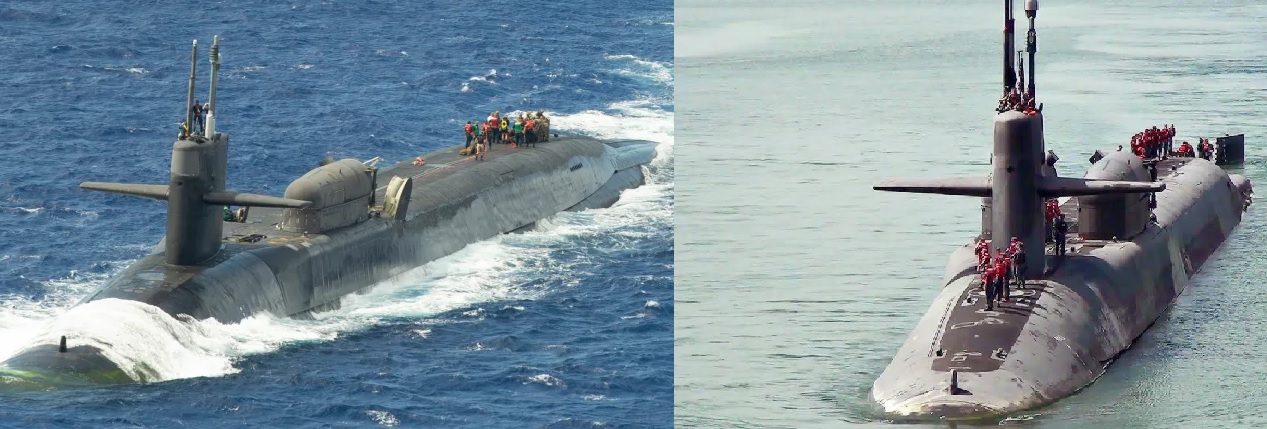
- Torpedo Launch Systems: Integral to the UK's Astute- and Dreadnought-class submarines, these components ensure the reliable deployment of advanced underwater weaponry.
The integration of these components into existing systems is set to enhance the lifespan and performance of these assets while reducing dependence on conventional manufacturing methods.
The Role of Project TAMPA
This milestone comes under the umbrella of Project TAMPA, a UK Ministry of Defence initiative designed to harness the potential of additive manufacturing (AM), commonly known as 3D printing. Awarded in April 2023, the project involves a consortium of contractors, including Babcock, NP Aerospace, RBSL, Thales, and AMFG.
Through this initiative, the UK aims to:
- Speed Up Production: Replace obsolete components in days rather than months.
- Reduce Costs: Cut maintenance and manufacturing expenses across various platforms, such as the Titan and Trojan armored vehicles.
- Address Obsolescence: Manufacture rare or outdated parts on demand, improving supply chain resilience.
Cutting-Edge Manufacturing Processes
Babcock employs state-of-the-art techniques like powder bed fusion and wire arc additive manufacturing to produce metallic components. These methods enable precise production tailored to the material and geometric specifications required by the UK’s diverse fleet.
For example, parts such as periscope components for armored vehicles—previously unavailable due to limited production runs—can now be fabricated swiftly, ensuring seamless maintenance and operational continuity.
Industry Leaders Speak
Kate Robinson, Managing Director for Through Life Equipment Support at Babcock, emphasized the significance of this milestone:
“This achievement represents a step-change in how we approach material availability for defense. By leveraging additive manufacturing, we are reducing lead times and addressing supply chain vulnerabilities.”
Charlotte Robinson, Team Leader for the UK Strategic Command Defence Support Innovation, highlighted the collaborative effort behind this success:
“The partnership between Project TAMPA suppliers and the DE&S Delivery Teams underscores how additive manufacturing can play a transformative role in defense logistics and sustainability.”
A Glimpse into the Future
The adoption of 3D printing in defense is more than a technological evolution—it’s a strategic pivot. By reducing reliance on traditional supply chains, the UK can ensure greater autonomy, especially in critical situations where conventional manufacturing may face delays. Moreover, this initiative positions the UK as a global leader in additive manufacturing for defense, setting the stage for broader adoption across allied nations.
As Project TAMPA progresses, the defense sector is poised to witness a revolution in how military components are conceptualized, produced, and integrated—heralding a new era of efficiency and resilience for the UK’s armed forces.
✍️ This article is written by the team of The Defense News.