UK-Built Raven Air Defence System Records 108 Confirmed Aerial Kills In Ukraine
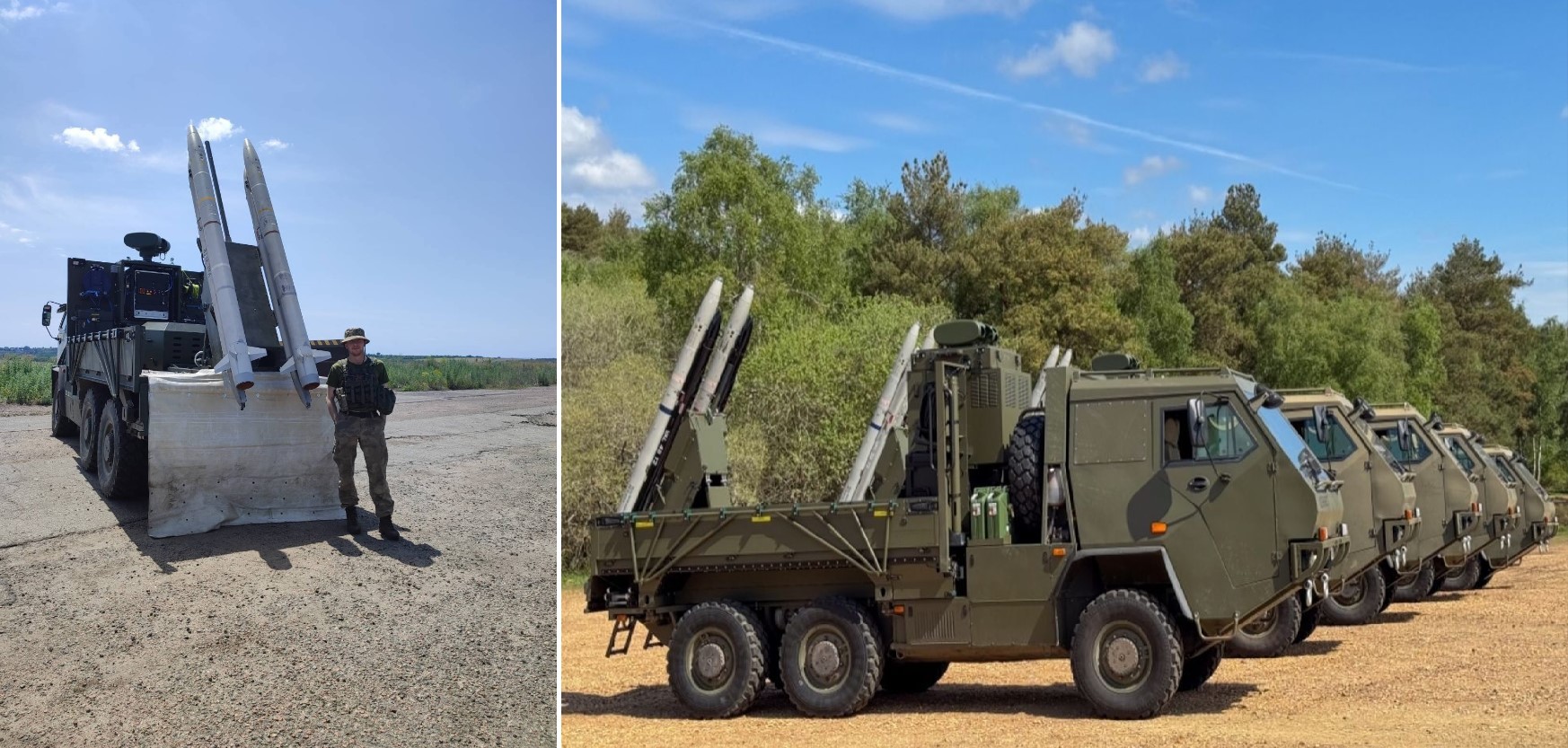
Kyiv / London — The British-developed Raven mobile air defence system has achieved a major operational milestone in Ukraine, with Ukrainian Air Command confirming the destruction of 108 Russian aerial targets since its induction. The confirmed interceptions include kamikaze attack drones, reconnaissance unmanned aerial vehicles (UAVs), and at least one cruise missile, highlighting the system’s growing relevance in modern high-intensity warfare.
Rapidly Developed Short-Range Air Defence Capability
Raven is a short-range air defence (SHORAD) system rapidly developed in the United Kingdom to address Ukraine’s urgent need for mobile, point-defence solutions against low-altitude aerial threats. The system integrates AIM-132 ASRAAM infrared-guided missiles onto a high-mobility Supacat HMT 600 6×6 vehicle, produced by Supacat.
Unlike traditional radar-heavy systems, Raven relies on electro-optical and infrared sensors, allowing it to operate with minimal electronic signature and rapidly reposition after firing. This design approach enables frontline deployment while reducing vulnerability to counterstrikes.
Combat Record And Operational Effectiveness
According to the Ukrainian Air Force, Raven crews have demonstrated a high interception success rate against some of the most persistent aerial threats used by Russia. The confirmed figure of 108 kills reflects engagements against Shahed-type loitering munitions, small ISR drones, and at least one cruise missile, a target class typically associated with larger and more complex air defence systems.
Ukrainian operators credit Raven’s fast reaction time, high missile speed, and infrared seeker accuracy for its effectiveness, particularly during mass drone attacks aimed at energy infrastructure and urban centres.
The Missile At The Core Of Raven
The system’s primary interceptor, the AIM-132 ASRAAM, is a British-developed imaging infrared missile originally designed for air-to-air combat. Weighing approximately 88 kilograms, with a ~10-kilogram blast-fragmentation warhead and speeds exceeding Mach 3, ASRAAM provides Raven with the ability to engage fast, manoeuvring targets at short notice.
Although surface-launched ASRAAM has a reduced range compared to airborne use, its high agility and seeker sensitivity make it particularly effective against small, heat-emitting targets such as drones and low-flying cruise missiles.
Role Within Ukraine’s Layered Air Defence Network
Military analysts describe Raven as a critical inner-layer system within Ukraine’s broader, multi-tier air defence architecture. While long-range systems address ballistic and high-altitude threats, Raven is tasked with plugging gaps, intercepting targets that evade or overwhelm higher-level defences.
Its mobility complicates enemy targeting, although open-source imagery confirms that at least one Raven launcher has been lost in combat—underscoring the risks faced by forward-deployed air defence units.
Strategic And Industrial Significance
Raven’s success reflects a wider shift toward rapid adaptation and battlefield-driven innovation. By repurposing existing missiles and platforms, the UK—through support coordinated with the UK Ministry of Defence—delivered a combat-ready capability in months rather than years.
While the use of high-value missiles against relatively low-cost drones raises sustainability questions, Ukrainian commanders maintain that protecting critical infrastructure and civilian lives justifies the approach.
Outlook For 2026
With Russian drone and missile attacks continuing into 2026, Raven is expected to remain an active and valuable component of Ukraine’s air defence forces. Further missile supplies and potential launcher additions could expand its deployment footprint and increase its already notable impact.
For Ukraine, Raven has become a clear example of how speed, innovation, and precision can decisively shape air defence outcomes on the modern battlefield.
About the Author
Aditya Kumar:
Defense & Geopolitics Analyst
Aditya Kumar tracks military developments in South Asia, specializing in Indian missile technology and naval strategy.