UAE Orders Full Yemen Withdrawal After Saudi-Backed Ultimatum
DUBAI / RIYADH — In a dramatic escalation of tensions between two of the Gulf’s most influential powers, the United Arab Emirates announced on Tuesday that it would withdraw its remaining military forces from Yemen, following a sharp Saudi-backed ultimatum demanding Emirati troops leave within 24 hours. The decision marks a significant rupture in relations between the long-time allies and underlines the growing complexity of regional geopolitics.
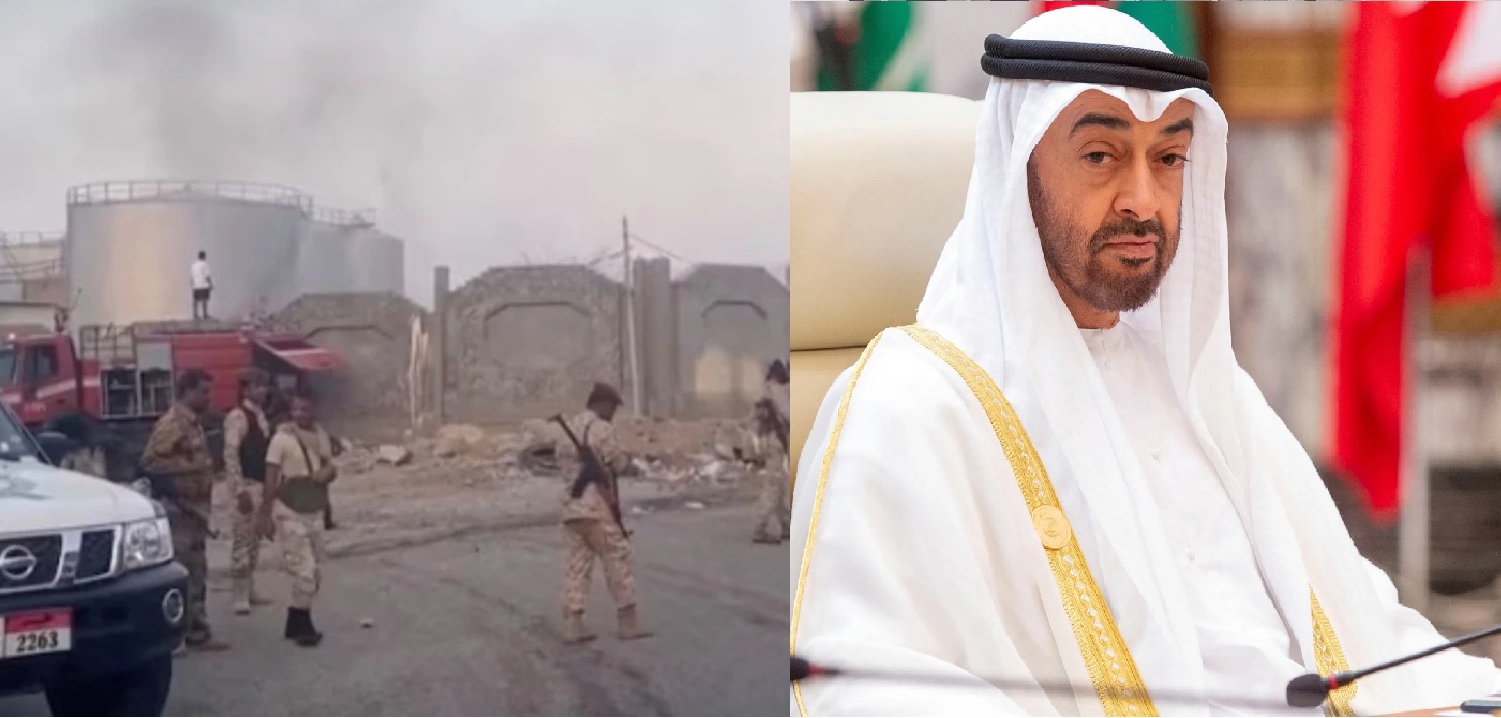
The announcement came just hours after Saudi-led coalition forces carried out an airstrike on the southern Yemeni port of Mukalla. Riyadh said the strike targeted a weapons shipment linked to the UAE, calling it the most serious escalation so far in a widening dispute. The attack highlighted a stark shift from military cooperation to open confrontation between the two Gulf monarchies.
In an official statement, the UAE defence ministry said it had “voluntarily ended the mission of its counterterrorism units” in Yemen. These units represented the last Emirati military presence in the country after Abu Dhabi formally concluded its broader deployment in 2019. The ministry said the remaining personnel were “specialised”, operating solely on counterterrorism tasks alongside international partners, and that recent developments had prompted a comprehensive assessment of the mission.
Saudi Ultimatum and Rising Hostilities
The escalation reflects longstanding disagreements over influence in Yemen. Saudi Arabia, which leads a coalition backing Yemen’s internationally recognised government, accused the UAE of pressuring and supporting the Southern Transitional Council (STC) to pursue territorial ambitions that Riyadh says threaten its national security. Saudi officials described the issue as a “red line”, one of the strongest warnings issued since the rift began.
Yemen’s Saudi-backed presidential council chief, Rashad al-Alimi, publicly demanded that all UAE forces leave within 24 hours, while also cancelling a defence agreement with Abu Dhabi. He accused the UAE of fueling internal conflict and undermining state authority through military escalation.
Saudi warplanes struck Mukalla alleging the shipment contained arms and ammunition intended for distribution in the strategic Hadramout region, an area where STC forces wield significant influence. Saudi authorities released footage they said showed containers being unloaded from a UAE-linked vessel. The UAE denied the claims, insisting the shipment did not include weapons and was destined for its own forces.
International Reactions and Regional Impact
The crisis quickly drew international diplomatic attention. In Washington, U.S. Secretary of State Marco Rubio spoke with both Saudi and Emirati foreign ministers, urging restraint and warning of the broader implications for Middle East stability. Gulf states including Kuwait and Bahrain voiced support for dialogue, while Qatar said the security of Saudi Arabia and other Gulf countries was inseparable from its own.
Oman has also moved to facilitate discussions between Saudi and regional counterparts, signalling a push toward de-escalation amid rising regional anxiety.
Implications for Yemen and Gulf Unity
Yemen’s decade-long civil war, once defined by a coalition united against the Iran-aligned Houthis, has been further complicated by this intra-coalition fracture. Although the UAE scaled back its troop presence in 2019, it continued to support the STC, whose control over southern territories has increasingly clashed with Saudi strategic objectives.
Analysts warn the dispute could undermine peace efforts in Yemen and destabilise broader Gulf Cooperation Council (GCC) unity. With both Saudi Arabia and the UAE central players in OPEC+, prolonged tensions could also affect oil market coordination, a key factor in managing global supply and prices.
For Yemen, the crisis adds another layer of uncertainty to an already severe humanitarian emergency, raising fears of renewed fighting in the south. As the UAE withdrawal unfolds, regional leaders and diplomats are watching closely to see whether the confrontation leads to renewed diplomacy or a deeper and more lasting strategic divide between two states that have long shaped Gulf security.
✍️ This article is written by the team of The Defense News.