Two B-21 Raiders United at Edwards, How the U.S. Stealth Bomber Surpasses Its Predecessors
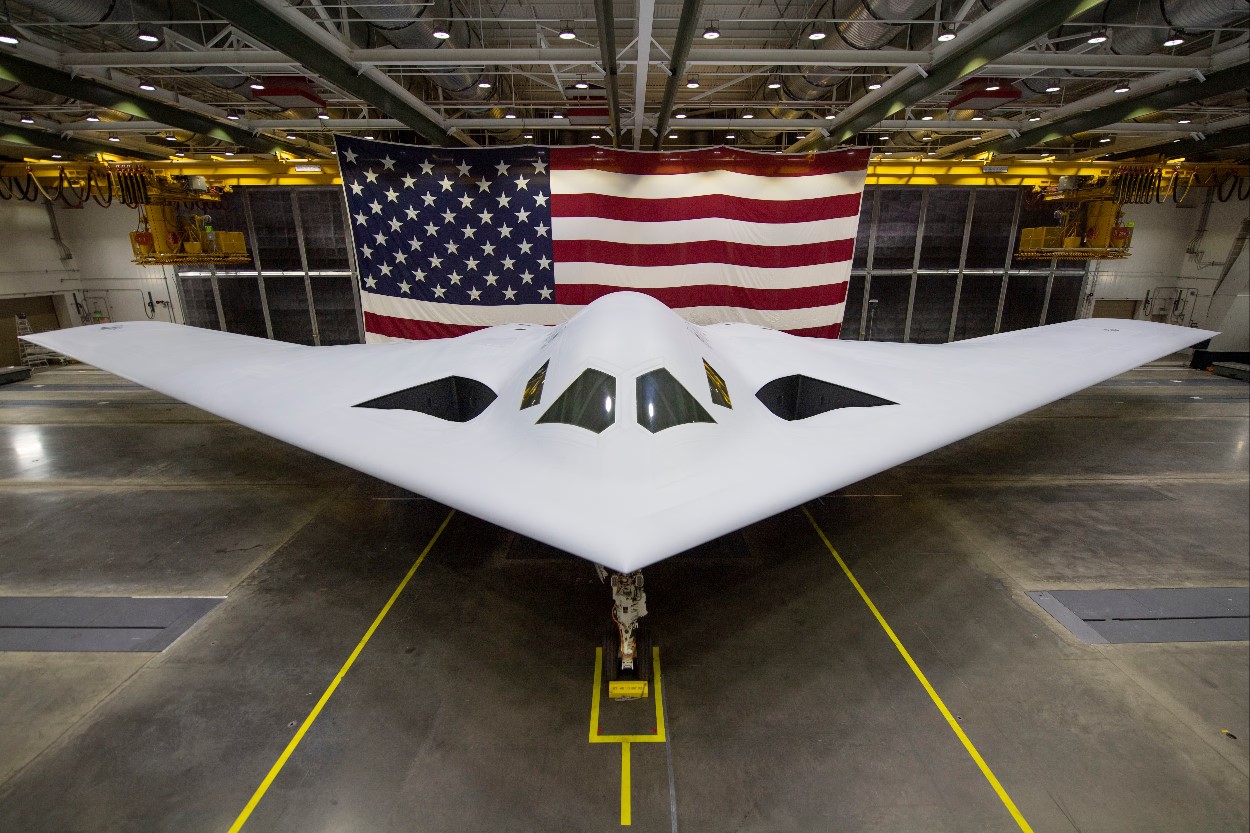
The U.S. Air Force has released its first photograph showing two B-21 Raider stealth bombers together at Edwards Air Force Base, following the arrival of the second pre-production aircraft. The newcomer flew from Plant 42 in Palmdale on its maiden mission and has now officially joined the test fleet. Both jets are now assigned to the 420th Flight Test Squadron at Edwards, forming the core of the Combined Test Force for the Raider programme. Alongside them, at least two non-flying airframes are under evaluation, and four more pre-production aircraft are being built at Plant 42. Low-rate initial production contracts have already been awarded for additional units.
This development marks a major step forward in the B-21’s journey toward operational readiness, and shows how it stacks up, technologically and operationally, against other stealth bombers past and present.
What’s New & How B-21 Raider Compares
Here are some of the updated capabilities and advantages of the B-21 Raider, and how it improves upon earlier stealth bombers such as the B-2 Spirit and B-1 Lancer:
-
Stealth & Survivability: The B-21 is designed with next-generation stealth, including improved low-observable coatings, refined engine inlets, and simplified landing gear. These changes reduce radar visibility and make the aircraft easier to maintain compared to the delicate coatings of the B-2 Spirit.
-
Dual Capability: The Raider is dual-capable, able to carry both conventional weapons and nuclear munitions. It is designed to integrate a wider range of stand-off and direct-attack weapons, making it more flexible than its predecessors.
-
Open Systems Architecture: Built with an open systems design, the B-21 can quickly integrate new sensors, software, and weapons as threats evolve. This makes it far more upgradeable than the B-2, which requires costly and time-consuming modernizations.
-
Production & Fleet Size: The Air Force plans to acquire at least 100 B-21s, with per-unit costs significantly lower than the billion-dollar B-2. This ensures a larger, more sustainable stealth fleet for future operations.
-
Operational Concepts & Networking: The Raider is designed for high-threat environments, equipped to work within large networks of sensors, intelligence, and communications. It is expected to operate alongside unmanned aircraft in some missions and uses cloud-based digital systems for maintenance and logistics.
-
Timeline & Replacement: The B-21 is expected to start replacing the B-2 Spirit and B-1 Lancer in the 2030s. The first main operating base has already been designated at Ellsworth Air Force Base.
Updates from the Recent Milestones
-
The second pre-production B-21 has flown and joined the Edwards test fleet, doubling the number of flying Raiders available for evaluation.
-
Testing is shifting from pure flight performance toward mission systems and weapons integration, ensuring the jet can employ its payloads in realistic combat scenarios.
-
Preparations are underway for training and operational deployment, with infrastructure and bases being readied for the arrival of the first operational units.
Why This Matters
The B-21 Raider is not just another stealth bomber. It represents a generational leap in survivability, adaptability, and affordability, ensuring the U.S. can maintain long-range strike capabilities against the most advanced air defence systems in the world. With its larger planned fleet, lower cost, and cutting-edge design, the Raider is poised to become the backbone of America’s strategic bomber force for decades to come.
The sight of two Raiders together at Edwards is more than symbolic—it signals that the programme is accelerating, with the U.S. Air Force edging closer to deploying its most advanced stealth aircraft yet.
✍️ This article is written by the team of The Defense News.