Turkey’s ASELSAN Wins $410 Million Electronic Warfare System Contract from Poland
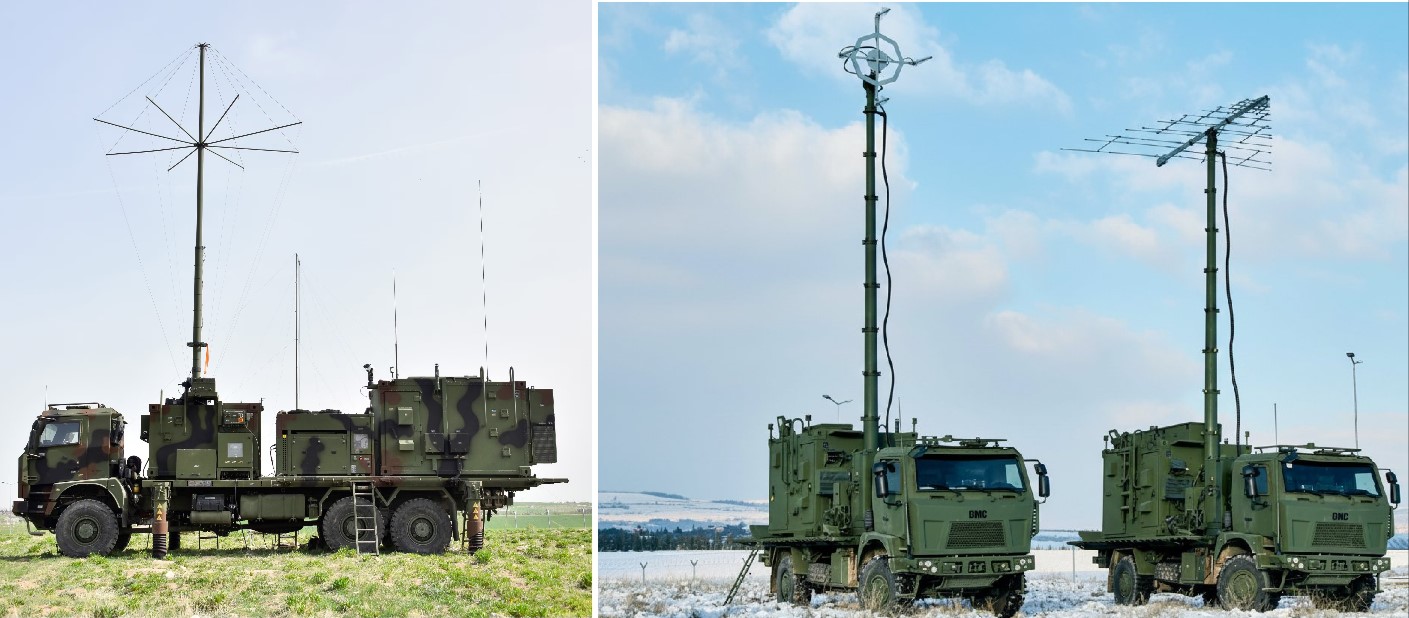
European countries are increasing their focus on electronic warfare (EW) and counter-drone systems, and this trend has brought a major export success for ASELSAN. The Turkish defence company has secured a $410 million contract with Poland to supply advanced electronic warfare technologies, marking one of ASELSAN’s largest foreign defence deals so far.
A strategic export milestone for ASELSAN
The Polish contract represents a significant expansion of ASELSAN’s footprint within NATO and the wider European defence market. While detailed technical specifications have not been publicly released, the agreement covers sophisticated electronic attack, electronic support and counter-unmanned aerial system (C-UAS) solutions, designed to enhance survivability, situational awareness and force protection for frontline units.
Industry sources indicate the systems will be platform-agnostic, allowing integration across a range of Polish military assets, including armoured vehicles, mobile ground units and fixed defensive positions. The deal further reinforces ASELSAN’s reputation as a supplier of combat-proven EW technologies deployed across land, naval and air platforms.
Poland’s evolving electronic warfare posture
Poland has emerged as one of Europe’s fastest-moving defence modernisation leaders, reshaping its force structure in response to growing regional security threats. Electronic warfare has become a central pillar of this transformation, particularly as drones, loitering munitions and electronic attacks redefine the character of modern conflict.
At present, Poland operates a hybrid EW ecosystem, combining domestic defence industry capabilities with carefully selected foreign technologies. Polish firms such as PIT-RADWAR and WB Group provide passive detection systems, communications intelligence, and radar-based counter-UAS solutions, forming the backbone of the country’s indigenous EW capacity.
In parallel, Warsaw has pursued targeted international procurements to address urgent capability gaps. These include passive location radars, coastal surveillance sensors, and advanced reconnaissance systems, all aimed at strengthening Poland’s layered air-defence and situational-awareness architecture. The ASELSAN agreement fits directly into this approach, adding electronic attack and jamming capabilities to complement the expanding sensor network.
Focus on counter-drone and armoured force protection
A key driver behind the Polish purchase is the rapid proliferation of small unmanned aerial systems on modern battlefields. These platforms pose persistent threats to tanks, artillery, command posts and logistics units, prompting a shift toward soft-kill solutions such as signal jamming, navigation denial and radio-frequency disruption.
ASELSAN’s EW portfolio includes vehicle-mounted jammers, mobile electronic attack systems, RF detection sensors, and integrated C-UAS architectures capable of identifying, tracking and neutralising hostile drones without kinetic engagement. Defence analysts suggest parts of the Polish order may support upgrades to Leopard 2 main battle tanks, enhancing their resilience against drone-guided strikes and electronic threats.
European demand accelerates
The Polish deal highlights a wider trend across Europe, where electronic warfare is no longer viewed as a niche enabler but as a core combat capability. NATO member states are increasingly prioritising electromagnetic spectrum control alongside air defence, long-range fires, and cyber operations.
For ASELSAN, the contract strengthens its standing as a credible European defence supplier at a time when governments are seeking diversified, interoperable and rapidly deployable solutions. The company has steadily expanded exports to NATO and allied countries, leveraging modular system designs compatible with Western military platforms.
S
trategic implications for Warsaw and Ankara
From Poland’s perspective, the agreement enhances operational readiness while supporting rapid force expansion. The integration of foreign EW systems into national command-and-control networks enables faster capability delivery without undermining long-term industrial sovereignty.
For Turkey, the sale carries both commercial and strategic significance. Securing a major EW contract with a NATO ally reinforces ASELSAN’s role within the alliance defence supply chain and underscores Turkey’s growing influence as a producer of high-end military electronics.
Looking ahead
Deliveries under large-scale electronic warfare contracts typically extend over several years, covering system integration, testing, crew training and phased operational deployment. As Poland continues its sweeping military modernisation programme, ASELSAN’s systems are expected to play a critical role in protecting high-value assets and countering emerging aerial and electronic threats.
The $410 million Polish agreement sends a clear signal from Europe’s eastern flank: electronic warfare and counter-drone dominance are now indispensable elements of modern defence planning, and demand for proven, export-ready EW solutions is set to intensify further.
✍️ This article is written by the team of The Defense News.