Turkey Successfully Tests TAYFUN Ballistic Missile Range 280 to 800 km

Turkey has successfully conducted another test launch of its TAYFUN ballistic missile, with the weapon accurately striking its designated target, further highlighting Ankara’s expanding capabilities in indigenous missile development. Developed by ROKETSAN, the successful test is being described as a major milestone for Turkey’s defence industry and a significant boost to the country’s deterrence posture.
According to defence officials, the latest firing validated the missile’s precision, reliability and overall performance, reinforcing confidence in a system expected to form a core element of Turkey’s long-range strike capability. The test builds on a series of previous launches that assessed propulsion, flight stability and guidance accuracy.
Missile profile and capabilities
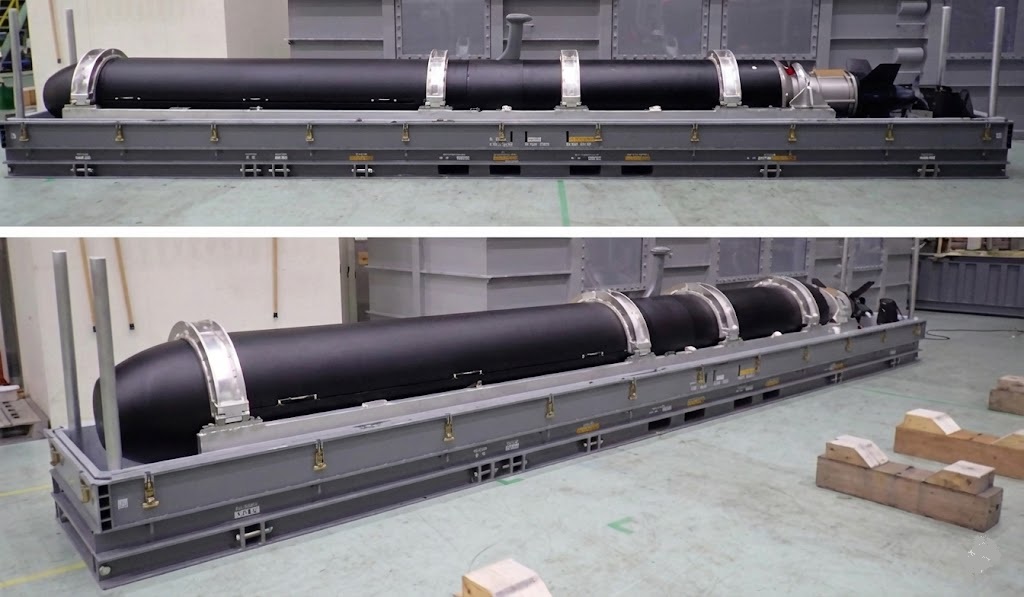
The TAYFUN is a short-range ballistic missile (SRBM) developed using entirely indigenous technologies. Officially, the missile is stated to have a range exceeding 280 kilometres. However, Turkish authorities and defence industry sources have indicated that the design has a maximum possible range of up to 800 kilometres, depending on payload configuration and flight profile.
The missile follows a ballistic trajectory and reaches hypersonic speeds, particularly during its terminal phase, making it extremely difficult to intercept using conventional air and missile defence systems. Its high velocity and steep descent angle significantly reduce reaction time for defenders.
TAYFUN is equipped with an advanced guidance system, believed to combine inertial navigation with satellite-based correction, enabling high accuracy against fixed targets. The missile is launched from a road-mobile platform, enhancing survivability, mobility and rapid deployment.
Key specifications (reported)
-
Type: Short-range ballistic missile (SRBM)
-
Developer: ROKETSAN
-
Operational range: Over 280 km
-
Maximum potential range: Up to 800 km
-
Speed: Hypersonic (terminal phase)
-
Guidance: Advanced inertial / satellite-aided navigation
-
Launch platform: Mobile ground-based launcher
-
Role: Precision strike and strategic deterrence
Development timeline
The TAYFUN missile programme is part of Turkey’s long-term push to achieve self-sufficiency in missile technology. ROKETSAN leveraged experience gained from earlier rocket and missile projects to accelerate development.
-
Late 2010s: Concept design and feasibility studies initiated
-
Early 2020s: Subsystem and propulsion testing
-
2022: First public test launch, revealing TAYFUN as Turkey’s most powerful ballistic missile
-
2023–2024: Multiple test firings focused on range, accuracy and system refinement
-
2025: Latest successful test, confirming precision strike capability and operational maturity
Each test has demonstrated incremental improvements, pointing toward a phased induction pathway.
Strategic significance
The successful launch underscores Turkey’s determination to strengthen its indigenous defence ecosystem and reduce reliance on foreign missile systems. Defence analysts view TAYFUN as a critical deterrence asset, offering Turkey a credible conventional strike capability with regional reach.
Once fully inducted, the TAYFUN ballistic missile is expected to play a central role in Turkey’s missile forces, complementing other domestically developed systems and reinforcing Ankara’s position as a major regional missile developer.
The programme also reflects a broader shift within Turkey’s defence sector toward independent design, development and deployment of advanced weapon systems, with long-range ballistic missiles now firmly embedded in its strategic inventory.
About the Author
Aditya Kumar:
Defense & Geopolitics Analyst
Aditya Kumar tracks military developments in South Asia, specializing in Indian missile technology and naval strategy.