Trump Warns of “Very Strong” U.S. Options as Iran Protest Death Toll Mounts and Tehran Signals Talks
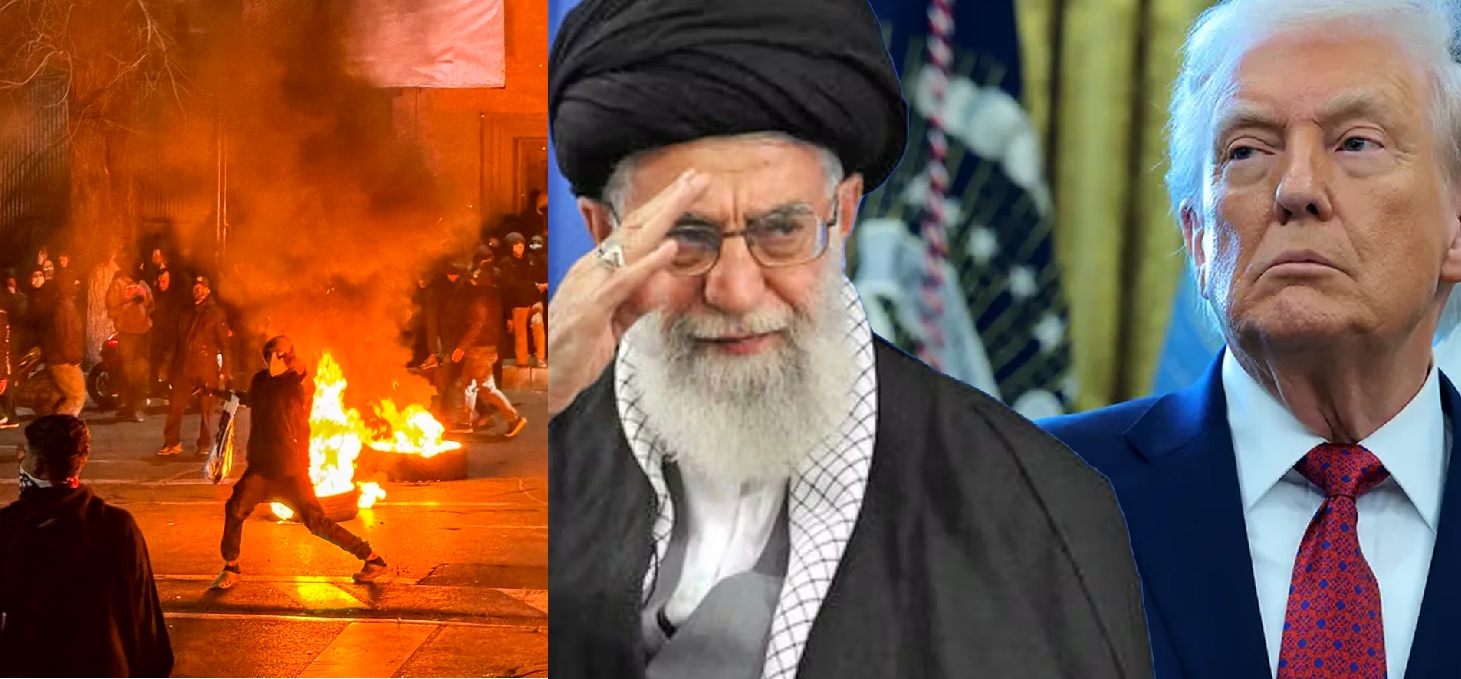
WASHINGTON/DUBAI : President Donald Trump said the U.S. military is studying “very strong options” toward Iran, warning that Tehran may be “starting to cross my red line” as reports of a rapidly rising death toll from a nationwide crackdown fuel fears of a wider regional confrontation.
Speaking to reporters aboard Air Force One late Sunday, Trump said the administration was “looking at it very seriously,” adding that the Pentagon was reviewing potential actions as violent unrest inside Iran stretches into a third week. A U.S. official said Trump is expected to meet senior advisers on Tuesday to review the menu of options.
A Crackdown, Competing Casualty Counts, and an Information Blackout
The latest wave of demonstrations began December 28 amid anger over soaring prices, then broadened into direct calls for the fall of Iran’s clerical establishment, according to reporting on the unrest and statements from Iranian officials.
Because Iran has imposed an internet blackout since Thursday, independent verification is difficult and casualty estimates vary widely. The U.S.-based Human Rights Activists News Agency (HRANA) said it has verified 544 deaths — 496 protesters and 48 security personnel — and 10,681 arrests since the protests began, figures Reuters said it could not independently confirm.
Other rights monitors have reported lower confirmed totals but warned the real number could be far higher. Norway-based Iran Human Rights (IHR) said it had confirmed at least 192 protester deaths while cautioning that the toll could exceed 2,000, with HRANA separately estimating detentions above 10,000.
Footage aired by Iranian state television showed body bags at Tehran’s coroner’s office and families gathering at forensic facilities to identify the dead, while videos circulating online — some verified by news organizations — show nighttime marches, street fires and clashes in multiple cities.
Trump’s Warning: Talks Possible, Action Still on the Table
Trump said Iranian leaders had reached out to negotiate, suggesting a meeting could happen soon, but he also indicated Washington might act before talks if the violence continues. Reuters reported Trump said he was also in contact with Iranian opposition figures.
The Wall Street Journal has reported — and Reuters echoed — that the administration’s review includes possibilities ranging from military strikes and cyber operations to expanded sanctions and support for anti-government messaging online. Reuters noted any strike scenario carries heightened risk, including the danger of civilian casualties if targets are located near population centers.
Trump also said he would speak with Elon Musk about restoring internet access in Iran via Starlink, after the blackout complicated the flow of information and protest coordination.
Tehran’s Response: “Ready for War,” Channel to Washington “Open”
Iran’s Foreign Ministry said Monday that communication with Washington remains active, naming a direct channel between Foreign Minister Abbas Araghchi and U.S. special envoy Steve Witkoff, and noting Switzerland continues to serve as an intermediary.
Araghchi said Iran is “ready for war” but also open to dialogue, while Iranian officials accused the United States and Israel of fomenting unrest — claims Washington denies. Iranian state media has focused heavily on attacks it attributes to “terrorists,” and Araghchi said dozens of mosques and ambulances had been set on fire since the protests erupted.
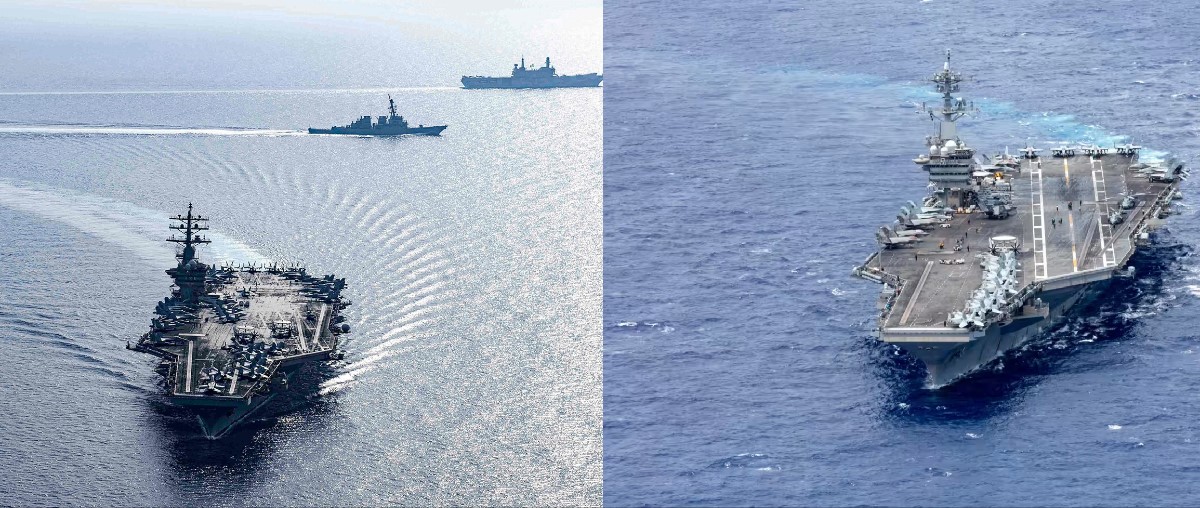
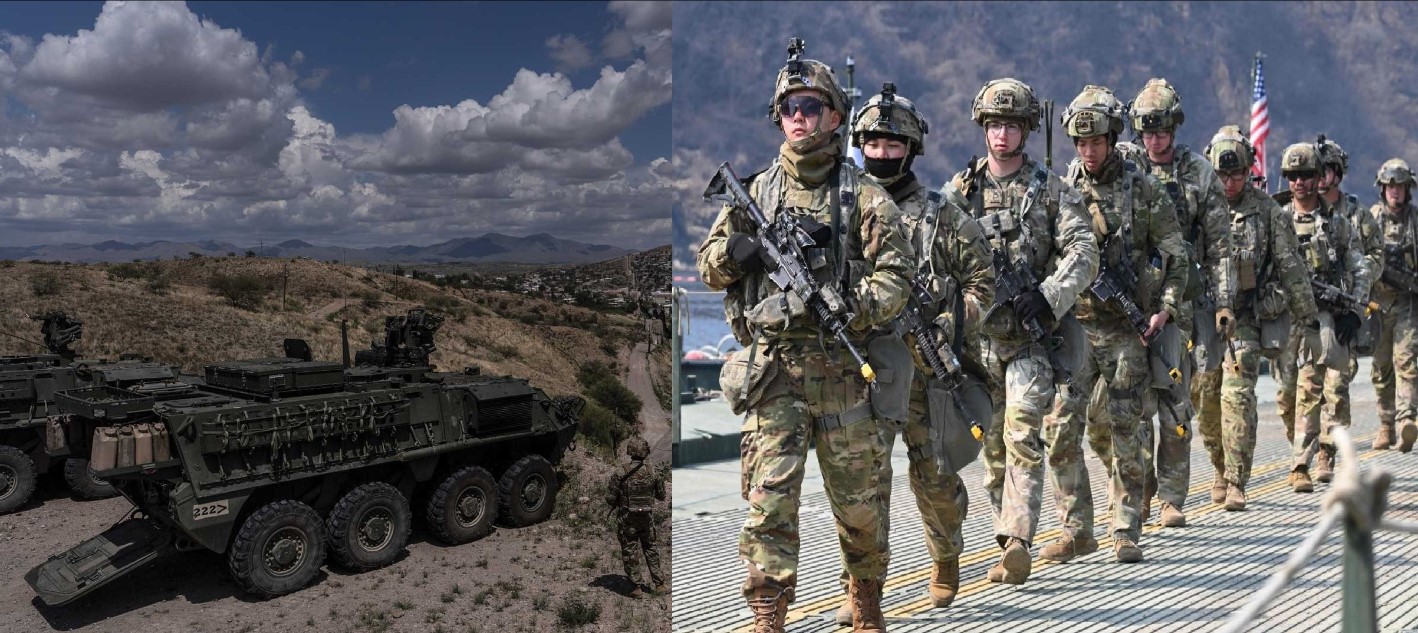
Iran’s parliament speaker Mohammad Baqer Qalibaf issued a stark warning against U.S. intervention, saying American bases and ships — and Israel — would become legitimate targets in the event of an attack on Iran.
Regional stakes: post-war tensions and a high-alert posture
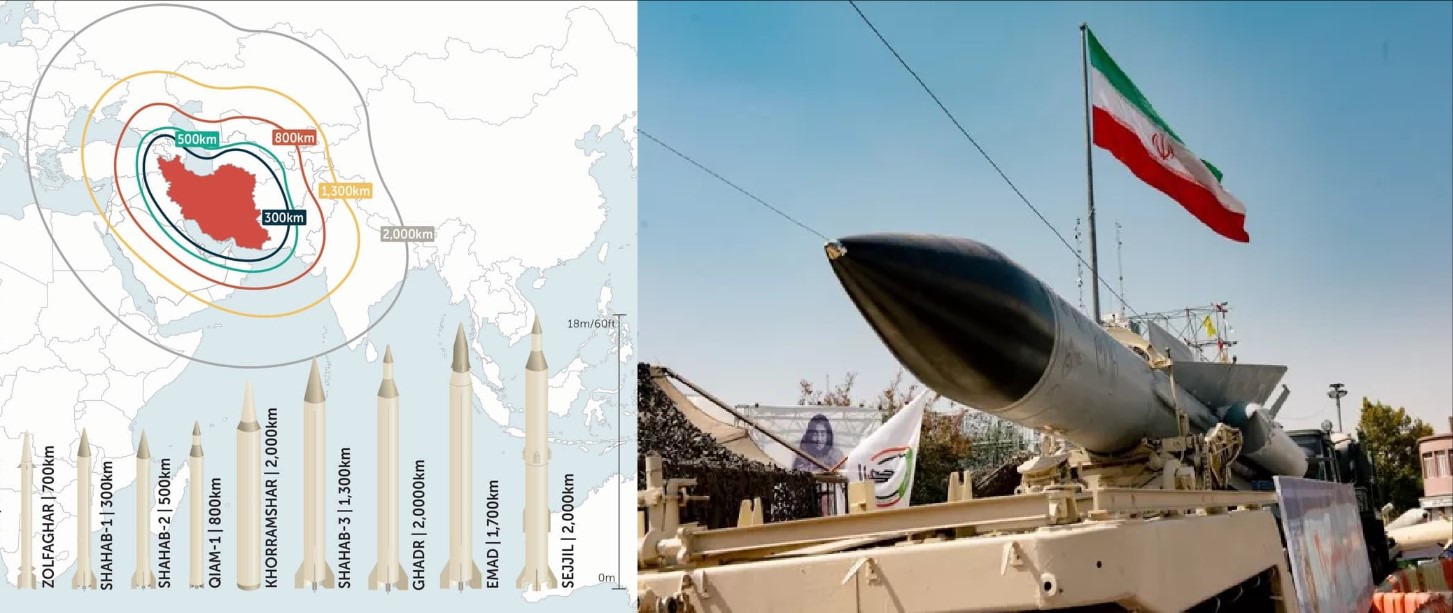
The standoff is unfolding against the backdrop of last year’s direct Iran-Israel conflict. Reuters reported Israel and Iran fought a 12-day war in June 2025, during which the United States briefly joined strikes on Iranian nuclear installations, prompting Iranian retaliation that included missile fire at Israel and an American air base in Qatar.
Israeli sources told Reuters they were on heightened alert for potential escalation linked to any U.S. move.
International Pressure Grows as Unrest Spreads
The United Nations Secretary-General António Guterres said he was shocked by reports of violence and urged maximum restraint, emphasizing protections for freedom of expression and peaceful assembly.
Inside Iran, the government has called for rallies condemning what it describes as U.S.- and Israeli-led “terrorist actions,” and has summoned European diplomats to protest what Tehran calls outside support for the demonstrations.
For now, the White House is signaling both coercion and a possible diplomatic off-ramp: Trump’s public warning about “very strong options” paired with claims that talks are being arranged. Tehran, meanwhile, is broadcasting readiness to negotiate — while warning that any attack would trigger retaliation across the region.
About the Author
Aditya Kumar:
Defense & Geopolitics Analyst
Aditya Kumar tracks military developments in South Asia, specializing in Indian missile technology and naval strategy.