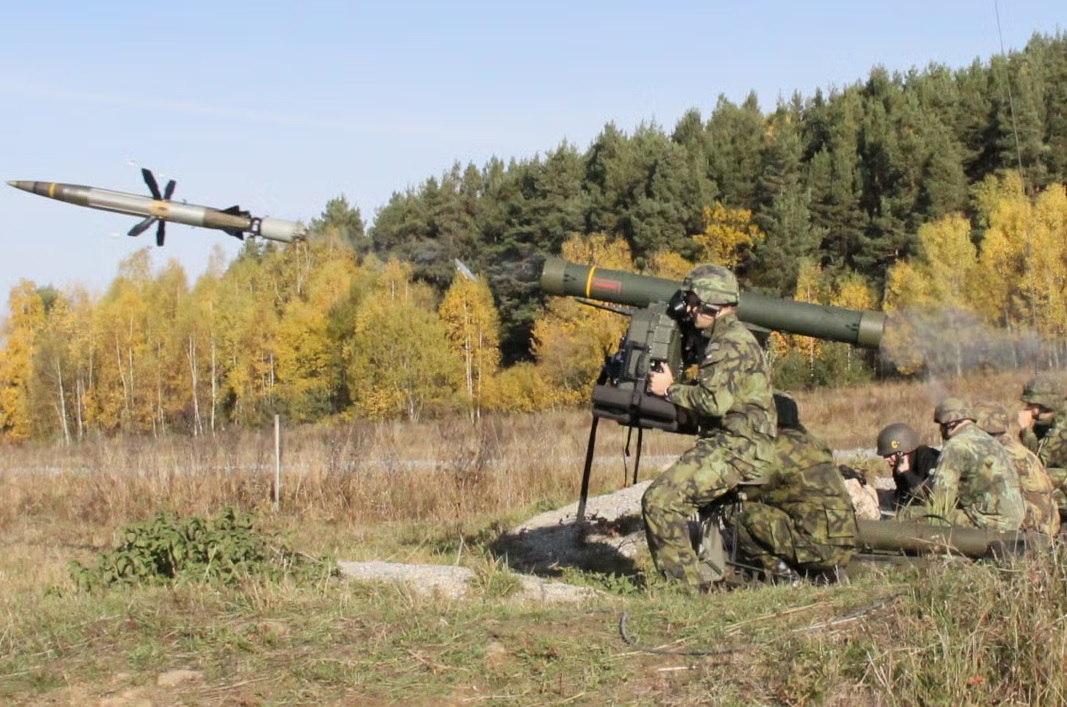
Trump Shrugs Off China’s Live-Fire Taiwan Drills, Says He Is “Not Worried”
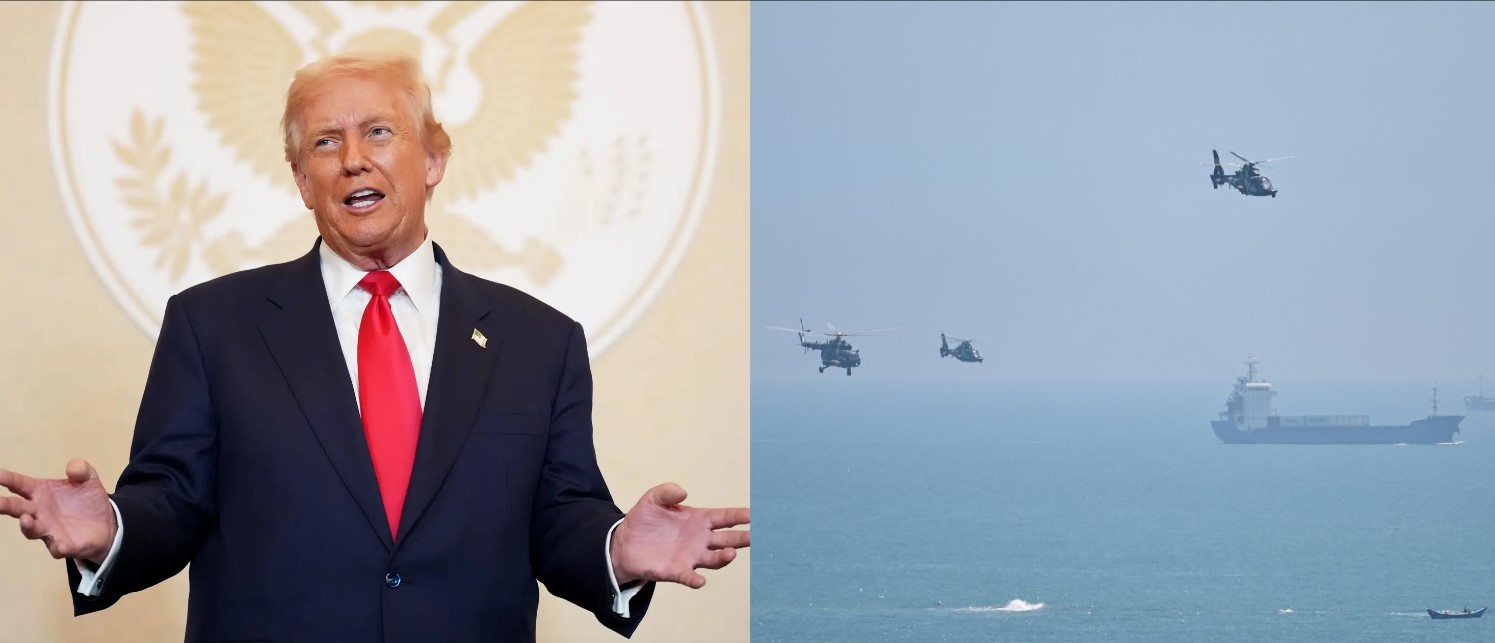
U.S. President Donald Trump has dismissed concerns over China’s latest live-fire military exercises around Taiwan, telling reporters he is “not worried” and describing the maneuvers as part of a long-running regional pattern. Speaking to the media, Trump noted that China has conducted naval exercises in the Taiwan Strait for years, and leaned heavily on personal diplomacy, stressing what he called a “great relationship” with Chinese President Xi Jinping.
Trump also revealed that Xi did not give him advance notice of the drills, but he nevertheless played down the risk of a near-term crisis. His remarks came as Beijing concluded some of the largest Taiwan-focused military exercises seen in recent years.
What China Did: “Justice Mission 2025” Around Taiwan
China’s People’s Liberation Army (PLA) launched a large-scale, two-day operation dubbed “Justice Mission 2025” on December 29–30, 2025. The exercise featured extended live-fire activity and multi-domain operations, combining air, naval, and missile forces.
According to international reporting, the drills simulated encirclement and blockade scenarios, along with joint air-and-sea strike operations and other integrated combat missions. While official tallies varied, the overall message was consistent: a show of force aimed at Taiwan and a warning to outside powers.
Reuters reported that the operation involved around 10 hours of live-fire drills, with 71 military aircraft and 24 naval vessels taking part. The scenarios reportedly included strike missions, maritime control, and anti-submarine warfare components.
Why Now: Arms Sales, Signaling, And Deterrence
The timing of the drills coincided with a sharp rise in cross-strait tensions following a major U.S. decision. The Trump administration recently announced an $11.1 billion arms package for Taiwan, described as the largest-ever U.S. weapons sale to the island.
The package reportedly includes HIMARS rocket systems, artillery, and drones, aimed at strengthening Taiwan’s asymmetric defense posture. Analysts say China’s exercises were intended to send a clear deterrent signal, particularly against what Beijing calls “external interference”—language widely interpreted as a warning to Washington and its allies.
Taipei’s Response: Condemnation And Readiness
Taiwan’s government strongly condemned the drills, calling them destabilizing and escalatory. Taiwanese defense authorities said they closely monitored PLA aircraft and naval vessels operating around the island and maintained a heightened state of military readiness.
International reporting also highlighted concerns over the psychological and coercive impact of the exercises, with Taiwanese officials warning that such actions increase the risk of miscalculation, even in the absence of an immediate crisis.
International Pushback: UK And Allies Urge Restraint
Diplomatic reactions widened as the drills concluded. The United Kingdom publicly expressed concern and urged restraint, warning that large-scale military activity near Taiwan raises tensions and the risk of escalation. London reiterated its opposition to any unilateral attempt to change the status quo by force or coercion.
Debate In Washington: Confidence Versus Caution
Trump’s confidence is rooted in his belief that personal rapport with Xi Jinping reduces the chances of a major confrontation. However, China experts and allied governments caution that Taiwan remains a core sovereignty issue for Beijing.
They argue that Chinese military activity around the island is often used to test resolve, signal deterrence, and shape political decisions, rather than to indicate a single, imminent move. Recent analysis has framed the exercises as a test of Trump’s Taiwan policy following the record-breaking arms package.
What Happens Next
As 2026 approaches, the Taiwan Strait enters the new year under heightened international scrutiny. With China intensifying military pressure, the United States expanding military support for Taiwan, and leaders relying heavily on strategic signaling and personal diplomacy, even routine drills now carry amplified geopolitical meaning—especially when they coincide with weapons transfers, elections, or shifts in regional posture.
✍️ This article is written by the team of The Defense News.