Trump-Putin Alaska Summit Poised to Test Global Power Balance and Ukraine’s Fate
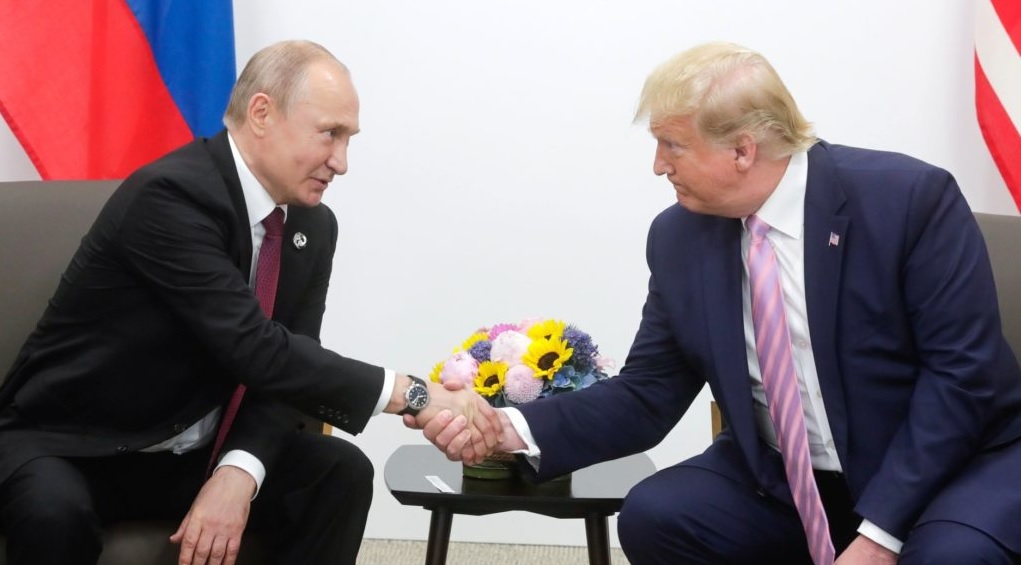
In a move drawing intense global scrutiny, U.S. President Donald Trump is preparing for a high-stakes meeting with Russian President Vladimir Putin at a secure military base near Anchorage. The summit is being described as one of the most consequential diplomatic encounters of the decade, with the potential to reshape the trajectory of the war in Ukraine and redefine European security for years to come.
The talks come at a time when the war in Ukraine remains deadlocked, with heavy fighting continuing in the country’s east and south. Trump’s supporters frame him as a master dealmaker capable of cutting through years of bloody stalemate, while critics warn that such negotiations — conducted without Ukrainian President Volodymyr Zelenskyy present — risk undermining Kyiv’s sovereignty and the West’s stated principle that “nothing about Ukraine happens without Ukraine.”
For Putin, the summit offers a rare opportunity to break through diplomatic isolation, secure recognition of Russia’s battlefield gains, and weaken Ukraine’s NATO aspirations. Analysts believe Moscow will push hard for territorial concessions and a reconfiguration of Ukraine’s security status, potentially returning it to Russia’s sphere of influence.
Trump has hinted that the meeting is a “feel-out session”, but his comments suggest the door is open to an expansive peace framework — one that could involve U.S. security guarantees to Ukraine in exchange for halting its NATO bid. However, he has also warned that if Russia shows no movement toward peace, “serious consequences” could follow. The challenge lies in bridging a vast gap: Russia’s demands for recognized control over occupied territories remain unacceptable to Kyiv and most of its allies.
The symbolism of Alaska as the venue is not lost on historians. Once Russian territory before its sale to the United States in 1867, the state sits just a short flight from Russia’s eastern coast, underscoring the geographical proximity — and historic rivalry — between the two powers. The remote military location also minimizes the risk of protests and ensures heightened security, signaling the sensitivity of the discussions.
Western capitals are watching closely. NATO allies fear that a bilateral Trump-Putin deal, reached without European or Ukrainian input, could fracture the alliance’s unity. Beyond Europe, nations such as China and Iran will be gauging Trump’s willingness to stand firm against Moscow’s demands, testing U.S. credibility in other geopolitical flashpoints.
The summit’s outcome could have far-reaching consequences:
-
If Trump manages even a partial breakthrough — such as an agreement on humanitarian corridors or limited ceasefires — it could lay the groundwork for broader peace talks.
-
If the meeting ends without progress, it may deepen mistrust between Washington and Kyiv, embolden Russia, and send signals to authoritarian regimes that hardline stances pay off.
With global attention fixed on Anchorage, the stakes could hardly be higher. The talks will not only influence the immediate fate of Ukraine but may also set the tone for a new era of U.S.-Russia relations, shaping the balance of power well into the future.
✍️ This article is written by the team of The Defense News.