Trump Impose Sanctions on India in Bold Bid to Pressure Russia Toward Ukraine Peace Talks

Washington, August 2025 — In a dramatic turn of U.S. foreign policy, President Donald Trump has announced a fresh round of sanctions targeting India, doubling tariffs on Indian goods to 50 percent. The move, confirmed by White House Press Secretary Karoline Leavitt, is part of a broader strategy of applying “secondary pressure” on Russia by going after some of its key trading partners.
The White House justified the sanctions by pointing to India’s continued oil imports and defence purchases from Moscow, which Washington believes are indirectly sustaining Russia’s wartime capacity in Ukraine. According to Leavitt, Trump’s message to New Delhi is clear: align more closely with Western sanctions efforts, or face economic consequences.
Strategic Timing and Diplomatic Push
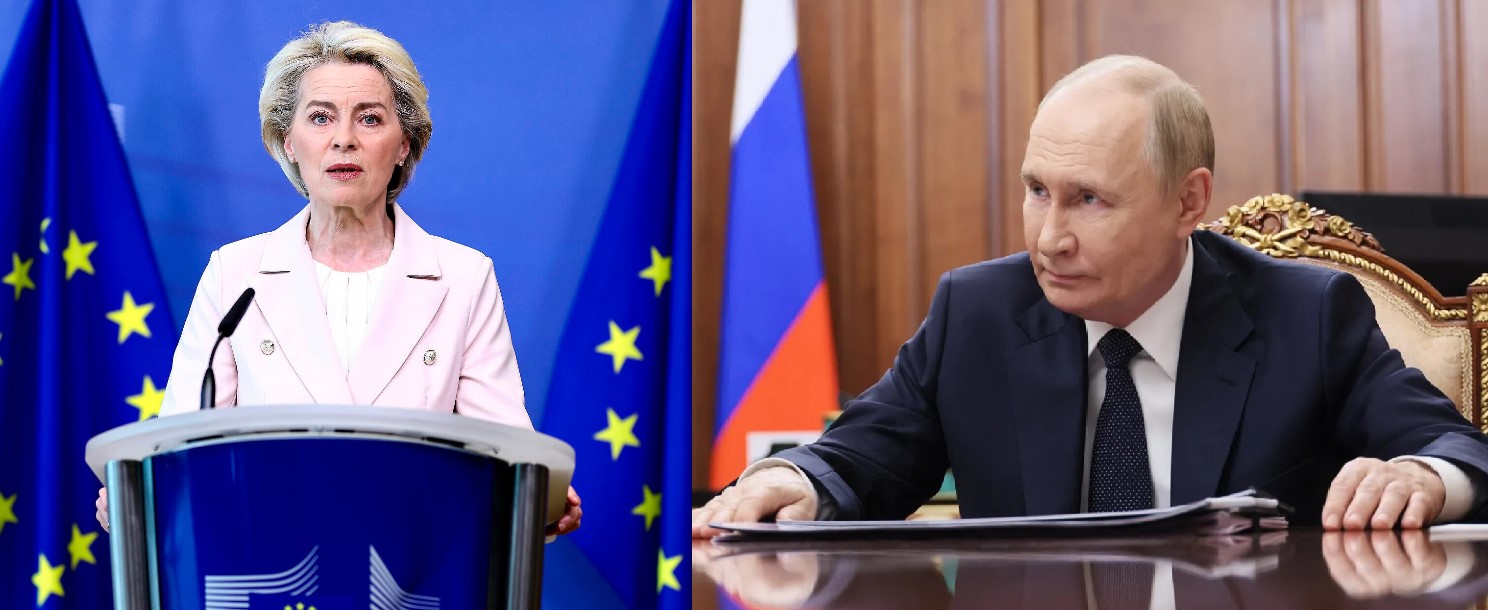
Trump’s decision comes at a sensitive moment in global diplomacy, as the administration tries to accelerate peace talks between Moscow and Kyiv. The White House revealed that the U.S. President recently held his “best conversation” yet with Ukrainian President Volodymyr Zelensky, and has even signaled openness to a potential trilateral summit with Russian President Vladimir Putin to personally mediate a ceasefire or peace framework.
In the days following Trump’s private talks with Putin in the U.S., several European leaders and NATO Secretary General Jens Stoltenberg rushed to Washington for consultations. According to the administration, this sequence highlights a diplomatic momentum rarely seen in the conflict, with Trump’s personal involvement casting him as a proactive dealmaker.
Leavitt emphasized that unlike his predecessors, Trump has provided direct, timely readouts of Russia’s positions to allies, claiming that this transparency has bolstered European confidence in Washington’s leadership.
India in the Crosshairs
The tariffs on India are seen as the most striking element of this broader strategy. For years, India has deepened its energy trade with Russia, importing record amounts of discounted crude oil and refining it for both domestic use and exports. Additionally, India continues to rely on Russian-origin defence equipment, from S-400 air defence systems to naval hardware.
U.S. officials argue that these ties undermine Western sanctions designed to choke Moscow’s revenue streams. Trump’s administration now views tariffs as leverage to push India away from Russia and into tighter alignment with the West.
But the move risks complicating relations with New Delhi, which Washington has long regarded as a critical strategic partner in the Indo-Pacific, especially as a counterweight to China. Analysts warn that alienating India could weaken the Quad security framework and complicate U.S. regional goals.
Trump’s Diplomatic Framing
The White House has leaned heavily on Trump’s personal narrative that the Ukraine war would never have started under his presidency. Leavitt went further, claiming that Vladimir Putin himself acknowledged this view, a statement that adds to Trump’s framing of himself as uniquely capable of deterring conflict through direct diplomacy.
The administration portrays these sanctions not as punitive toward India, but as part of a grand strategy to bring Moscow to the table faster. Trump is described as dedicating substantial personal time and energy to ensure that any eventual peace agreement will be long-lasting, with robust security guarantees underpinned by NATO and European partners.
Risks and Payoffs
For Trump, the gamble is significant. By targeting India, he risks straining a partnership that has been nurtured over two decades by both Democratic and Republican administrations. However, the White House argues that the global stakes—ending a war that has dragged on for more than three years and destabilized energy and food markets—justify such measures.
If successful, Trump’s approach could position the U.S. as the central mediator in the Ukraine crisis, reshaping the narrative of American leadership in Europe and beyond. But if it backfires, Washington risks pushing New Delhi closer to strategic autonomy, or even deeper into energy and defence ties with Moscow.
Trump’s decision to sanction India underscores his unconventional, high-risk diplomatic style—using economic levers not directly against Russia, but against its partners, in hopes of forcing progress on peace talks. With potential Trump-Putin-Zelensky negotiations on the horizon, Washington is betting that this mix of pressure and personal diplomacy can achieve what traditional approaches have not: a breakthrough in Europe’s most devastating war since World War II.
✍️ This article is written by the team of The Defense News.