Trump Denies U.S. Role in Ukraine’s Use of Long-Range Missiles Inside Russia

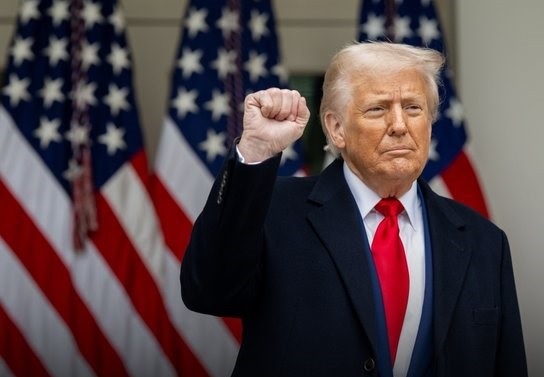
In a strongly worded statement on Wednesday, U.S. President Donald Trump rejected reports claiming that the United States had given Ukraine permission to use long-range missiles for strikes deep inside Russian territory. The comments came hours after The Wall Street Journal published a report citing unnamed U.S. officials who alleged that the Trump administration had quietly lifted previous restrictions on such weapons.
Trump took to Truth Social, his preferred communication platform, to dismiss the report as “false,” asserting that Washington was not involved in the deployment or authorization of any long-range missile systems currently being used by Ukraine.
“The U.S.A. has nothing to do with those missiles, wherever they may come from, or what Ukraine does with them!” Trump wrote, denying that the U.S. had played any part in the escalation of the conflict.
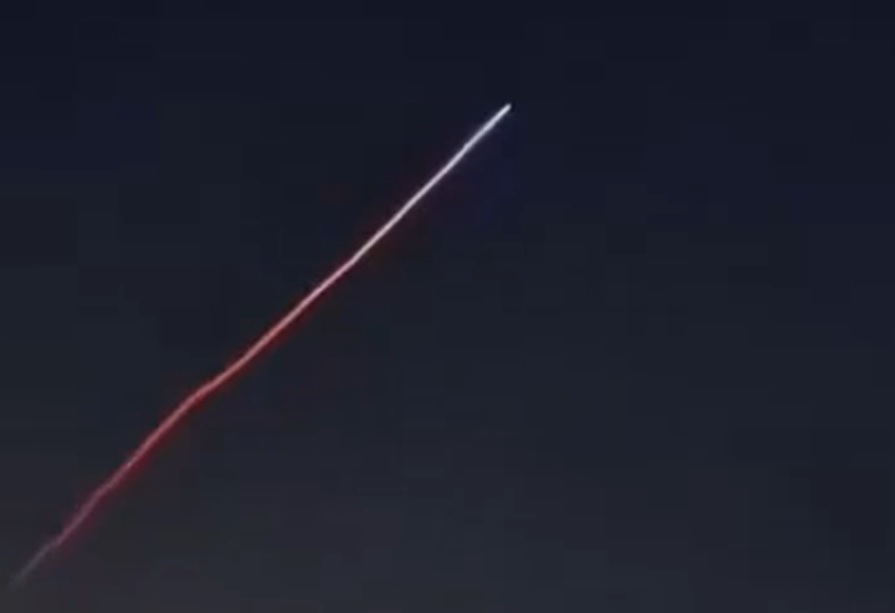
The controversy stems from reports suggesting that Ukraine had begun employing long-range missile systems—allegedly sourced from Western partners—for deep strikes into Russian logistics hubs and command centers, well beyond the frontlines. According to The Wall Street Journal, this development indicated a policy shift that would allow Kyiv to target areas inside Russia previously deemed off-limits due to concerns of provoking direct confrontation with Moscow.
Background and Context
Under the Biden administration, before Trump’s return to the White House, Washington had gradually expanded the range of weapons supplied to Ukraine, culminating in the delivery of ATACMS (Army Tactical Missile System) with a range of up to 300 kilometers. These missiles were capable of reaching airbases and supply lines deep within Russian-occupied territories, but the U.S. had maintained a strict prohibition on their use inside internationally recognized Russian borders.
The Wall Street Journal report suggested that this restriction had been lifted, either formally or de facto, by the Trump administration—something the President now categorically denies.
Political and Strategic Implications
Trump’s denial is consistent with his “America First” foreign policy stance, which emphasizes avoiding direct U.S. entanglement in the war between Russia and Ukraine. Since taking office again, Trump has repeatedly criticized what he calls “endless foreign wars” and pledged to pursue a negotiated peace settlement between Moscow and Kyiv.
However, his remarks come amid heightened tensions in Eastern Europe, where Ukrainian forces have reportedly intensified long-range strikes on Russian infrastructure, including fuel depots, railway junctions, and communication nodes. Russian state media has accused Western nations of “direct participation” in these attacks, though no concrete evidence has surfaced linking U.S. personnel or decision-making to the operations.
Reactions and Fallout
Following Trump’s statement, U.S. officials declined to comment on whether any policy change regarding long-range missile use had been discussed internally. Meanwhile, Ukraine’s Ministry of Defense avoided confirming or denying the report but emphasized that Kyiv retains the right to “defend itself by all means available.”
Analysts suggest that if Ukraine has indeed received greater operational freedom with Western-supplied missiles, it could mark a significant strategic escalation—potentially triggering Russian retaliation and complicating any future peace negotiations.
For now, Trump’s emphatic denial seeks to distance Washington from any perceived escalation, signaling a continuation of his cautious approach toward direct U.S. involvement in the Russia–Ukraine conflict. Yet the lack of clarity around who approved or facilitated these missile strikes leaves a cloud of uncertainty over the true extent of Western coordination in Ukraine’s recent long-range operations.
As the war enters another winter, the debate over how far Ukraine can and should go in striking Russian targets continues to expose deep divisions within Western policymaking—and places Trump’s administration at the center of a geopolitical storm it insists it did not ignite.
About the Author
Aditya Kumar:
Defense & Geopolitics Analyst
Aditya Kumar tracks military developments in South Asia, specializing in Indian missile technology and naval strategy.