Trump Approves U.S. Weapons for Ukraine—but NATO Allies to Pay the Bill
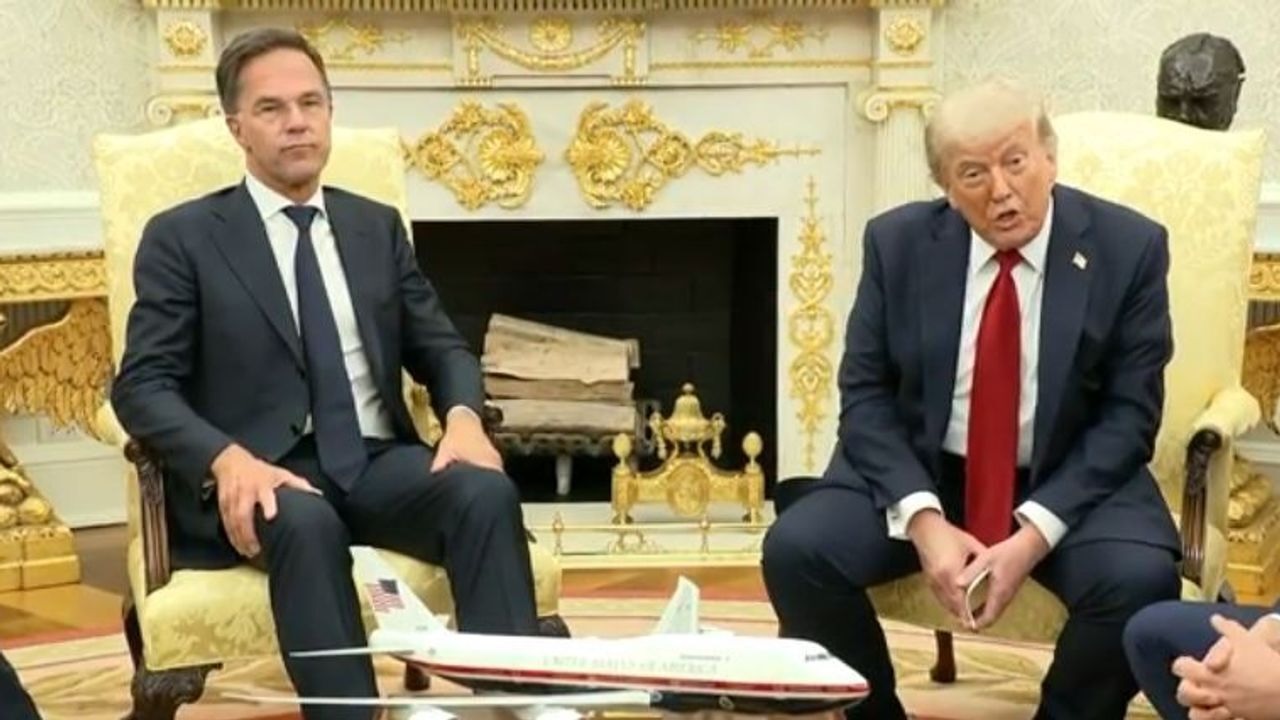
In a sharp turn of strategy, former President Donald Trump has agreed to supply advanced U.S. weapons to Ukraine, but with a major twist — NATO allies will foot the bill. Speaking from the Oval Office alongside NATO Secretary General Mark Rutte, Trump also issued a 50-day ultimatum to Russia: reach a ceasefire or face serious economic consequences, including new U.S. sanctions.
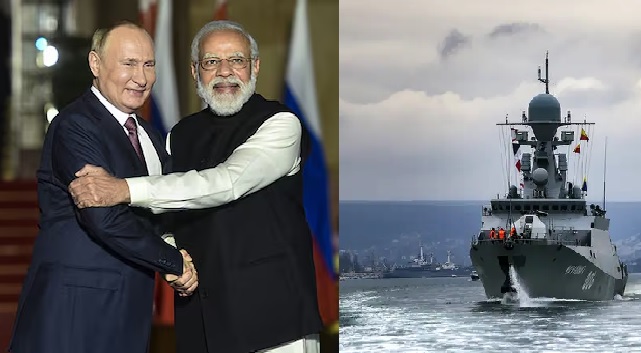
This shift comes after repeated failed efforts to persuade Russian President Vladimir Putin to halt the war in Ukraine. Trump, visibly frustrated, described Putin as someone who “talks nice during the day and bombs at night,” hinting that previous presidents, like himself, had hoped for better outcomes from diplomatic engagement with the Kremlin.
Under this new plan, U.S. weapons will be sent to NATO, which will then transfer them to Ukraine. But importantly, NATO member countries — not the U.S. — will be the ones paying for the shipments. “We’re not paying anything for it. But we will send it, and it’ll be good news for us,” Trump emphasized, adding that Ukraine “desperately needs” Patriot missiles and other air defense systems.
The initial shipments will include Patriot missile systems, long-range air defense technology that Ukraine has been requesting to counter Russian airstrikes. Trump assured that some of these will arrive within a matter of days, as certain countries plan to swap their own Patriot systems and replace them later.
NATO Secretary General Rutte confirmed that this would just be the beginning, with more aid to follow. “This is only the first wave,” he said, naming countries like Germany, Sweden, Denmark, Finland, Norway, the Netherlands, and Canada as part of the coalition backing the supply effort.
This announcement comes shortly after the Pentagon had paused some arms deliveries to Ukraine due to concerns over America's own munitions stockpiles — including Patriot interceptors and artillery rounds. That decision has since been reversed, allowing for renewed support under this NATO-led framework.
Meanwhile, Trump issued a strong warning to Moscow: if a ceasefire isn’t achieved within 50 days, the U.S. will respond with “100% tariffs on Russia” and secondary sanctions targeting countries that continue buying Russian oil. “If I were Putin today… I would reconsider whether I should not take negotiations more seriously,” said Rutte, backing Trump’s stern message.
This decision represents a clear shift in Trump’s foreign policy tone. While he previously sought to broker peace directly with Putin, he’s now leaning on military aid and economic pressure to push Moscow toward the negotiation table. “Putin had really surprised a lot of people,” Trump said. “He talks nice, and then he bombs everybody in the evening. It’s a little bit of a problem there — I don’t like it.”
In essence, the U.S. will provide the firepower, NATO will handle the costs, and Russia now faces a deadline. The coming weeks will reveal whether this pressure leads to talks — or to an even sharper escalation in the ongoing war.
✍️ This article is written by the team of The Defense News.