Türkiye Successfully Tests Indigenous Hisar-D RF Missile from TCG Istanbul
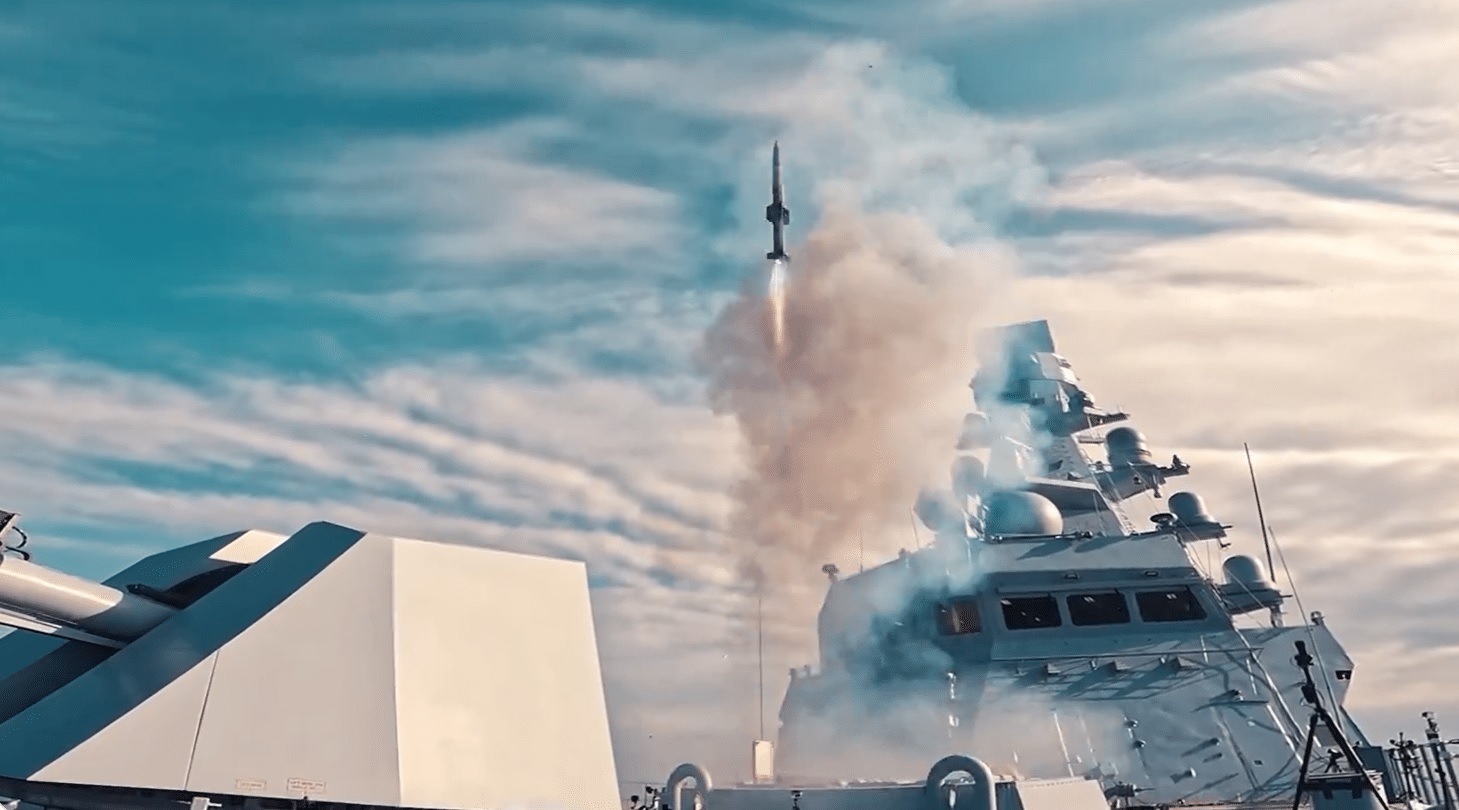
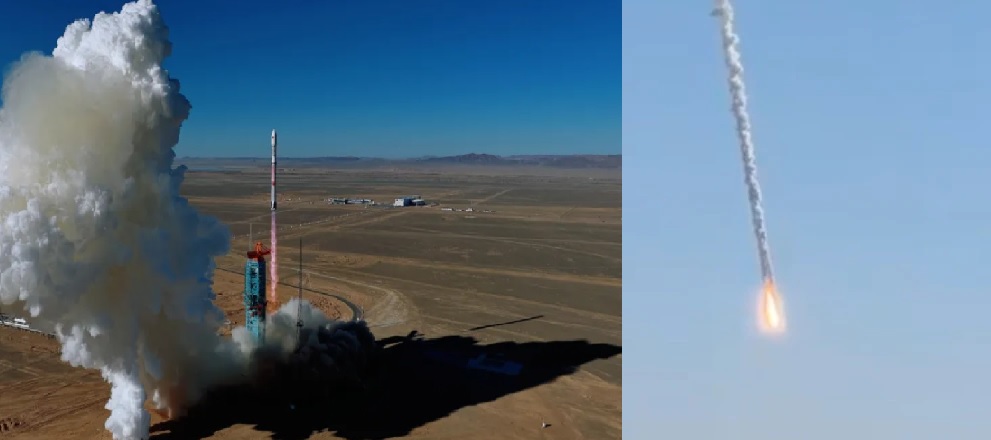
On August 15, 2025, the Turkish Navy reached a major milestone in its defense modernization program by successfully conducting a live-fire test of the Hisar-D RF air defense missile from the TCG Istanbul frigate. The trial, carried out in the Black Sea near Sinop, showcased Türkiye’s growing ability to field an entirely indigenous naval air defense system without reliance on foreign suppliers.
The missile, developed by Roketsan and integrated with Aselsan’s advanced electronics, was fired from the national vertical launch system MIDLAS and achieved a direct hit on an unmanned aerial vehicle, proving its operational effectiveness under combat-like conditions. The demonstration validated not only the missile itself but also the seamless integration of radar, guidance, fire control, and missile technologies into a fully sovereign ecosystem.
The Hisar-D RF is a medium-range, medium-altitude missile designed specifically for naval warfare. Equipped with an indigenous active radar seeker, it can neutralize a wide array of aerial threats including aircraft, helicopters, UAVs, cruise missiles, and precision-guided munitions. Through MIDLAS, each launch cell can host up to four interceptors, enabling dense defensive coverage similar to the U.S. Evolved Sea Sparrow Missile (ESSM) system, but with the critical advantage of complete Turkish control over production and deployment.
The test also marked the successful performance of several domestic subsystems. The HİSAR-D Fire Control System coordinated the engagement, while the CENK 4D search radar provided wide-area surveillance with strong resilience against electronic warfare. The AKREP fire control radar supported target tracking, and the AGRAS seeker head guided the missile in its terminal phase using indigenous radar technology. Real-time updates were maintained through the GÜDÜ data link system, allowing dynamic targeting during interception.
This success is the latest in a carefully staged development process. Initial land-based trials began in 2022, followed by a shipborne launch from TCG Istanbul in March 2024. The August 15 firing was the first successful interception of a live target, underscoring the rapid progress Türkiye has achieved in building a self-sufficient naval missile defense capability. Importantly, the initiative was accelerated after the U.S. embargo on Mk 41 Vertical Launch Systems, which forced Türkiye to develop MIDLAS as a homegrown alternative for the İstif-class frigates.
By mastering these technologies, Türkiye has positioned itself closer to the capabilities of advanced NATO navies. Much like France’s Aster missile program, the Hisar-D RF ensures autonomy in a critical area of defense while avoiding export restrictions and dependence on foreign suppliers. The program will be expanded to future platforms, including the upcoming TF-2000 air defense destroyers.
Strategically, the implications are significant. A fully indigenous system enhances Türkiye’s deterrence posture in the Eastern Mediterranean and Black Sea, regions marked by rising tensions and competition. With MIDLAS now proven, Türkiye can move forward with integrating even more advanced weapons such as the Siper long-range air defense system and the Atmaca anti-ship missile, thereby deepening its naval power projection.
Though financial details have not been disclosed, the Hisar-D RF and MIDLAS are key pillars of Türkiye’s naval modernization strategy under the Presidency of Defense Industries (SSB). The TCG Istanbul, the first ship of the İstif-class built at Istanbul Shipyard Command, is the lead vessel to field the system, with more ships slated for integration in the coming years.
In essence, the August 15 test was not only about a missile hitting a target. It was about validating an entire, homegrown defense ecosystem—from radars to fire control, data links to seekers, launch cells to interceptors. With this achievement, Türkiye has demonstrated its capacity to secure its naval forces with sovereign technology and has taken a decisive step toward becoming a stronger, independent naval power in its region.
✍️ This article is written by the team of The Defense News.