Türkiye Signs $1.3 Billion Deal to Expand “Steel Dome” Air Defense System
In a landmark step toward self-reliant defense, Türkiye’s leading defense electronics company ASELSAN has signed a $1.3 billion contract with the Turkish government to deliver additional units of the Steel Dome Integrated Air and Missile Defense System. The agreement marks one of the country’s largest-ever domestic defense investments and underscores Ankara’s determination to build a national, layered air defense shield amid rising regional tensions.
Announced on the Turkish Century social media platform, the deal reflects Türkiye’s growing focus on developing indigenous technologies capable of protecting its airspace from the full spectrum of aerial threats — from small drones to ballistic missiles. With global conflict zones demonstrating the devastating impact of unmanned and precision weapons, Türkiye is positioning itself among nations pursuing comprehensive, multi-layered defense architectures.
A New Chapter in Turkish Air Defense
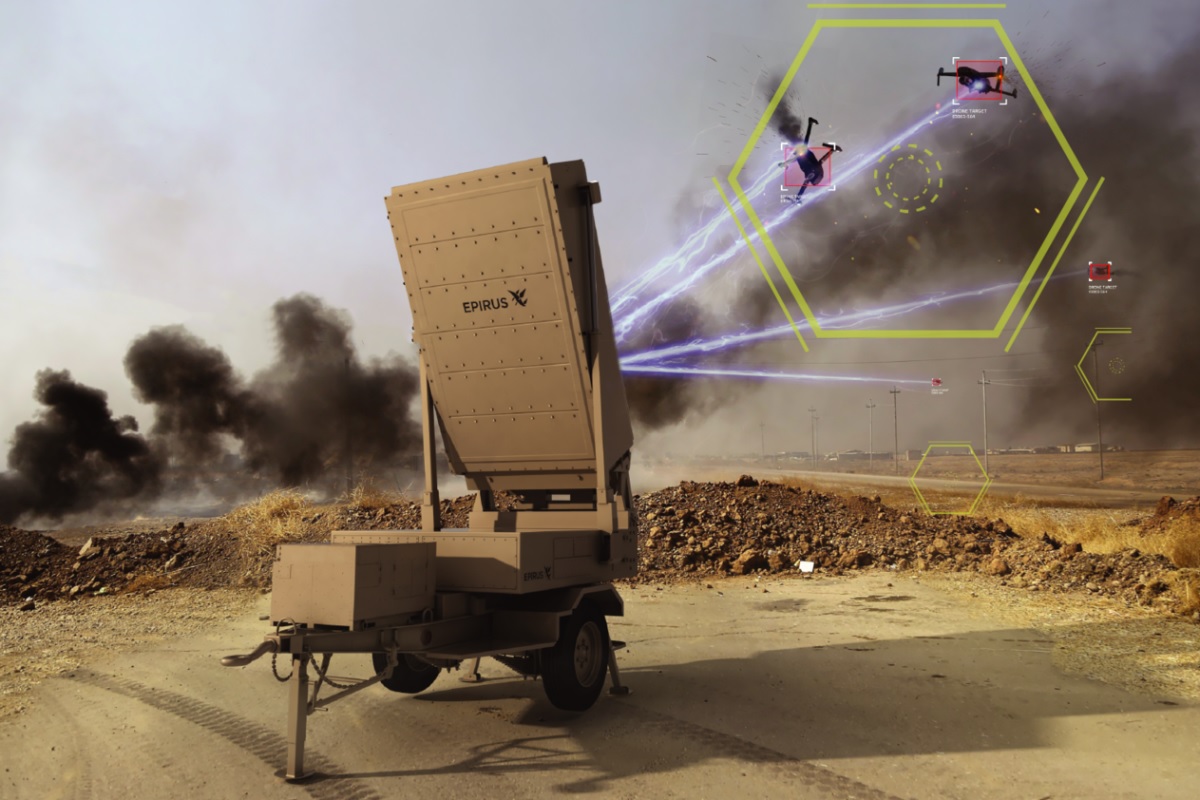
The Steel Dome is Türkiye’s flagship national air defense program, conceived and developed by ASELSAN to integrate the country’s existing and emerging air defense assets into a single, unified command network. The system brings together missile interceptors, radar networks, electro-optical sensors, and AI-based command-and-control systems to create a flexible, layered shield capable of detecting, tracking, and neutralizing diverse aerial threats.
Unlike traditional point-defense systems that protect only limited areas, Steel Dome is designed as a nationwide architecture — scalable, mobile, and capable of defending critical infrastructure, industrial zones, military bases, and population centers.
Three Layers of Protection
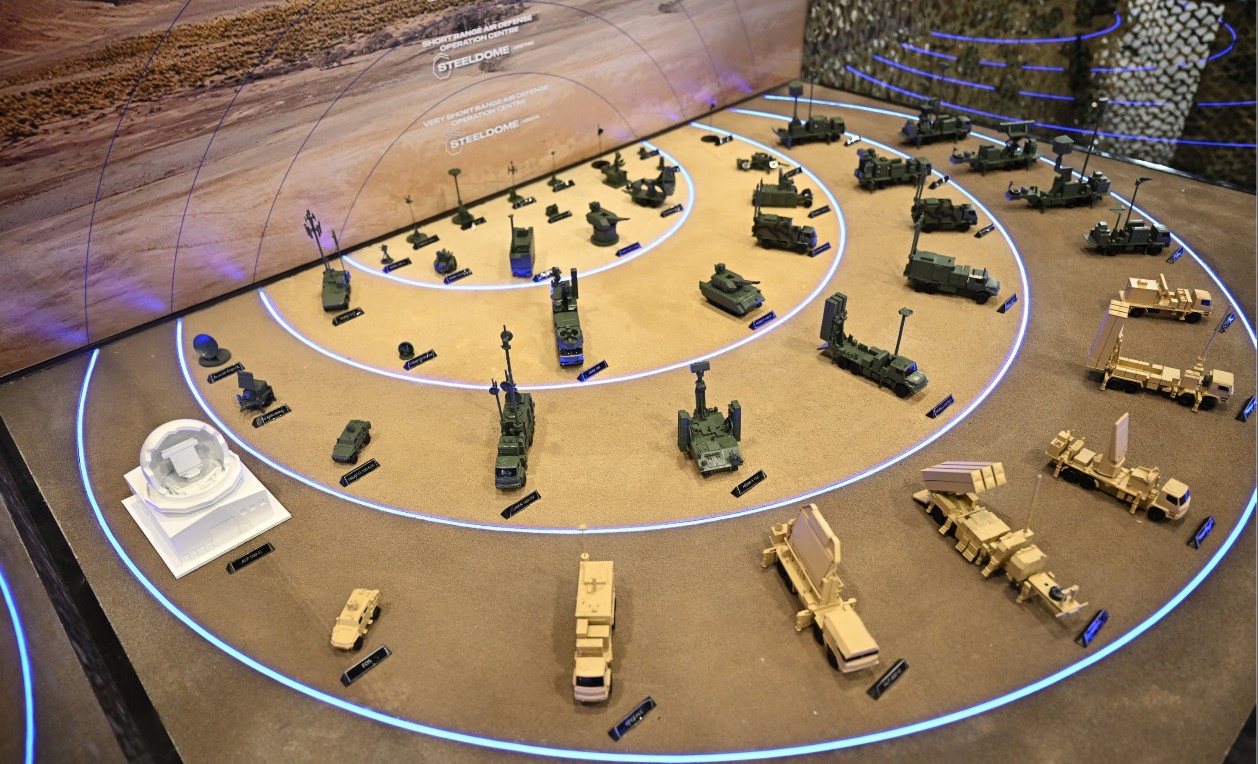
The system integrates multiple Turkish-developed platforms into three defensive layers:
-
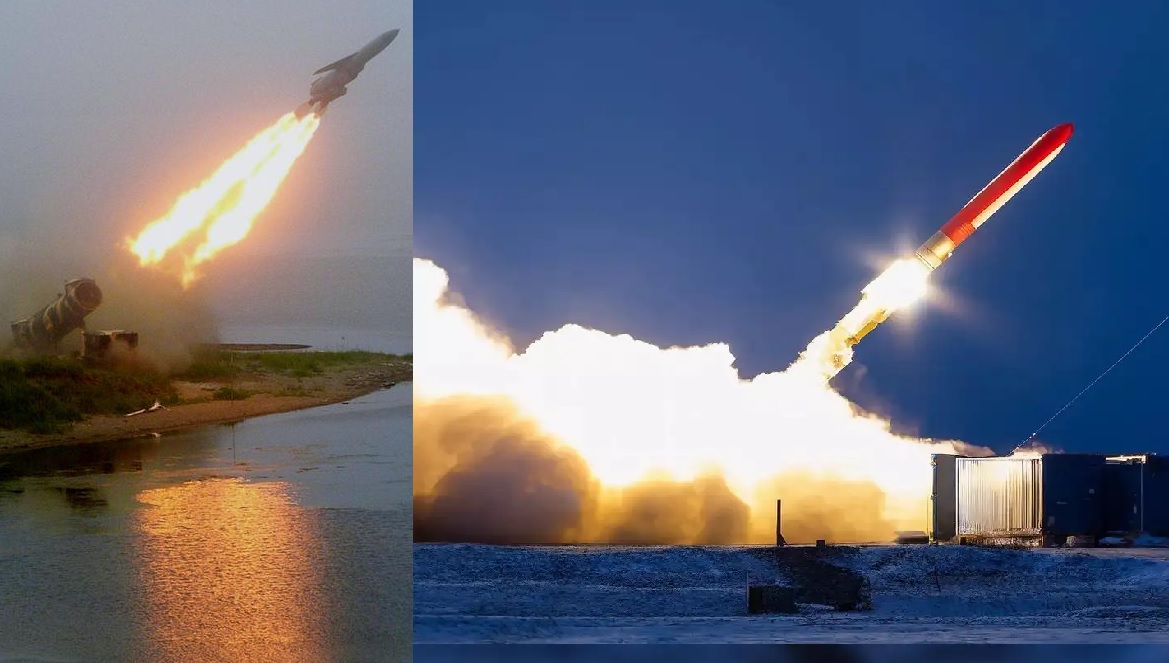
Short-Range Layer — consisting of KORKUT self-propelled anti-aircraft guns, GÜRZ systems, and SUNGUR man-portable missile launchers to counter drones and low-flying threats.
-
Medium-Range Layer — using HİSAR-A+ and HİSAR-O+ interceptors to protect against cruise missiles and loitering munitions.
-
Long-Range Layer — built around the SİPER missile system, designed to intercept high-altitude and short-range ballistic missiles.
These elements are fused through ASELSAN’s AI-driven battle management platform, which provides a real-time, automated defense network capable of simultaneous engagement of multiple threats.
Production and Deployment Plan
Under the new $1.3 billion contract, ASELSAN will expand production of radar systems, launcher units, and command centers to strengthen the Steel Dome’s operational footprint. The new components will be manufactured at ASELSAN’s Oğulbey Technology Valley facility near Ankara — an advanced industrial complex specifically designed for serial production and systems integration of air defense equipment.
Deliveries are expected to begin in 2026, with nationwide deployment targeted by 2029. The expansion will include enhanced sensor fusion modules, next-generation data links, and improved AI-supported coordination systems to optimize real-time threat assessment and response.
According to Turkish defense officials, the expanded program will cover the majority of national airspace, ensuring seamless coverage from border regions to metropolitan centers.
Technological Sovereignty and Strategic Vision
For Türkiye, Steel Dome is more than a defense system — it’s a statement of technological independence. The program embodies the country’s shift toward self-reliant defense manufacturing, reducing dependency on foreign suppliers that has, in the past, limited operational flexibility and delayed procurement.
“Steel Dome represents our national will to defend Türkiye’s skies through our own technology, industry, and talent,” ASELSAN officials said in a statement following the signing. “This contract strengthens not only our defenses but also our defense ecosystem, from research to production.”
The emphasis on domestic innovation follows lessons drawn from conflicts in Ukraine, Syria, and Nagorno-Karabakh, where drone warfare, precision strikes, and networked command systems redefined the modern battlefield. Türkiye — a pioneer in drone warfare with platforms like Bayraktar TB2 and ANKA — now seeks to ensure it can defend against the very threats it helped revolutionize.
Regional Context and Global Comparisons
The Steel Dome project places Türkiye among a select group of nations developing integrated, layered air defense systems. Comparable initiatives include:
-
Israel’s Iron Dome and David’s Sling, which combine radar-guided interceptors to protect against rockets and short-range missiles.
-
South Korea’s L-SAM, a domestically produced long-range system aimed at countering ballistic missiles.
-
India’s Ballistic Missile Defense (BMD) program, designed to intercept incoming missiles in both endo- and exo-atmospheric phases.
-
The United States’ Integrated Battle Command System (IBCS) and Golden Dome concepts, which aim to network radars and interceptors through AI and space-based assets.
What distinguishes Türkiye’s Steel Dome is the complete domestic integration of all layers and sensors, allowing for autonomous operation and full sovereign control without foreign integrators or dependencies.
Economic and Industrial Impact
The new contract will have significant implications for Türkiye’s defense-industrial base. ASELSAN’s expansion at Oğulbey will generate hundreds of high-skilled jobs, bolster local supply chains, and advance Türkiye’s ambition to become an exporter of advanced air defense technologies.
In addition to domestic use, Turkey is already exploring export opportunities for the Steel Dome and its subsystems. Reports indicate Qatar and several other Middle Eastern nations have expressed interest in acquiring localized variants of Turkish air defense technologies.
The government views the Steel Dome as a flagship project within its broader “Century of Türkiye” vision, which seeks to establish the nation as a self-sufficient defense power and a regional technology leader by 2030.
Strategic Outlook
The $1.3 billion Steel Dome expansion signifies more than an industrial milestone — it represents a strategic pivot toward total airspace sovereignty. By integrating its missile systems, radars, and command networks under one digital framework, Türkiye is ensuring that decision-making, production, and operational control remain entirely in national hands.
Analysts view the system as both a deterrent and a declaration: a message that Türkiye intends to protect its skies — and its technological edge — without dependence on outside powers.
As global conflicts highlight the vulnerability of nations without layered defense, Steel Dome stands as Türkiye’s answer to an era where aerial dominance is defined as much by data, sensors, and autonomy as by missiles and firepower.
With deliveries set to begin next year, Ankara is not just defending its homeland — it is shaping its future as a regional architect of integrated air and missile defense.
About the Author
Aditya Kumar:
Defense & Geopolitics Analyst
Aditya Kumar tracks military developments in South Asia, specializing in Indian missile technology and naval strategy.