The Rise of the Dollar: How the U.S. Currency Became the World’s Financial Power
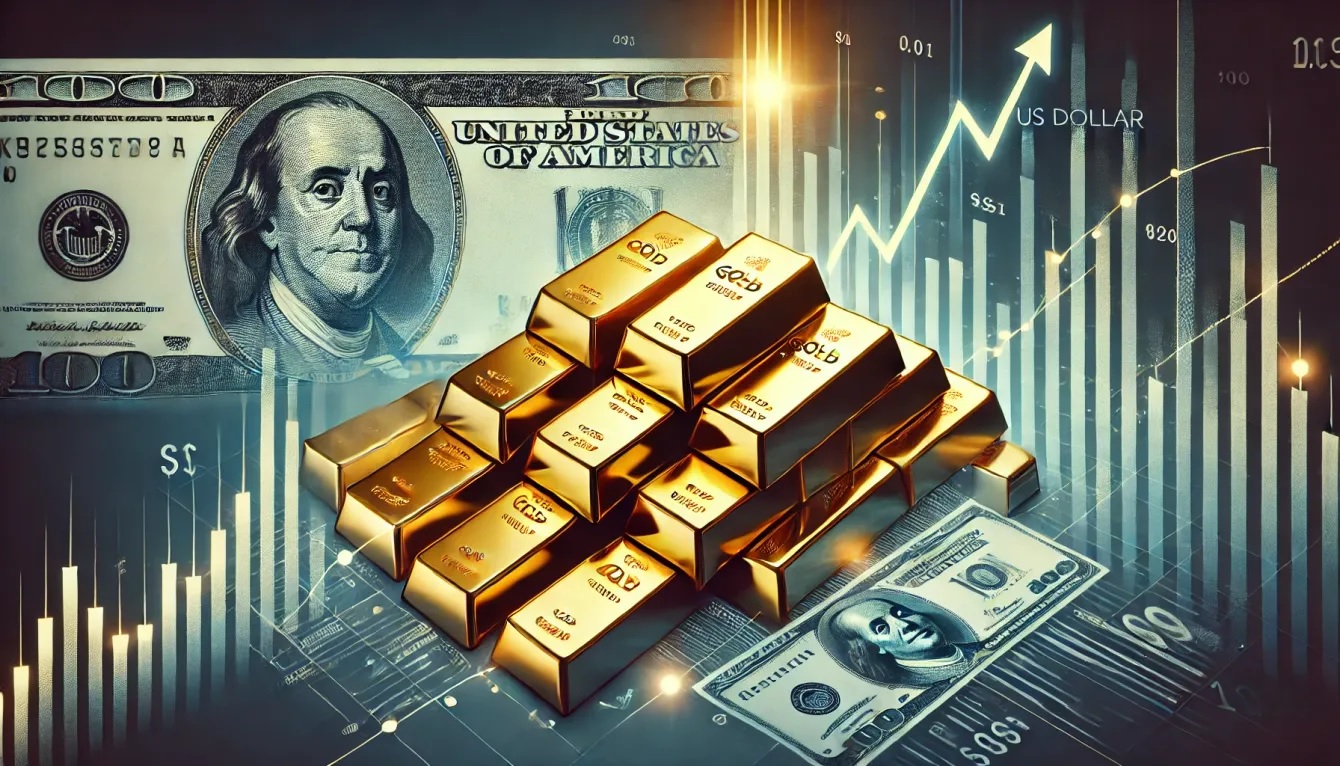
The story of how the U.S. dollar became the world’s most powerful currency is a long journey that begins in the early 20th century and spans wars, economic shifts, and global agreements. Its rise was not automatic but was shaped by historic events that altered the balance of global finance and politics forever.
The Early Beginnings
Before the dollar gained prominence, the global financial world was dominated by the British pound sterling, which had been the primary international currency during the 19th century. Britain’s vast empire, powerful navy, and control of global trade routes allowed the pound to hold this dominant position.
The U.S. dollar was officially created in 1792 with the passage of the Coinage Act, which established the U.S. Mint. Initially, the dollar was backed by gold and silver, making it a stable medium of exchange but not yet a global power. For more than a century, America’s economy was still growing, and the pound remained the world’s leader.
World War I: The Turning Point
The first major shift came with World War I (1914–1918). European powers, especially Britain, France, and Germany, spent enormous amounts of money on the war. To finance it, they borrowed heavily from the United States, which had stayed out of the conflict until 1917. By the end of the war, the U.S. had transformed from a debtor nation to the world’s largest creditor nation, holding huge reserves of gold.
This meant the dollar was increasingly seen as more stable than the weakened pound, which had been drained by wartime expenses.
The Gold Standard and Interwar Years
In the 1920s, the world attempted to return to the Gold Standard, where currencies were directly tied to gold. The U.S. possessed most of the world’s gold reserves, giving the dollar immense strength. However, the Great Depression in the 1930s shook global economies, leading many nations to abandon the gold standard.
The U.S., under President Franklin D. Roosevelt, officially suspended gold convertibility for domestic citizens in 1933, but the dollar was still partly tied to gold for international trade. This period marked a struggle for dominance between the pound and the dollar.
World War II and Bretton Woods Agreement
The decisive moment came during World War II (1939–1945). Once again, European nations were forced to borrow massive sums from the U.S., while their economies and infrastructures were devastated by war. By contrast, the American homeland was untouched, and its economy surged due to wartime production.
In July 1944, the world gathered at the Bretton Woods Conference in New Hampshire, where 44 nations agreed to a new global financial system. The key decision was that the U.S. dollar would be tied to gold (at $35 per ounce), while all other currencies would be pegged to the dollar. This effectively made the dollar the world’s reserve currency, replacing the pound.
The Post-War Era and Dollar Dominance
After 1945, the U.S. was the only nation with both strong industrial output and massive gold reserves. The Marshall Plan spread dollars across Europe to rebuild war-torn economies, while international institutions like the International Monetary Fund (IMF) and World Bank were created with the dollar at their core.
The Cold War further expanded the dollar’s influence, as American allies relied on U.S. aid, trade, and military protection. The dollar had now become not just a currency but a symbol of global stability.
The Nixon Shock and Petrodollar System
By the late 1960s, America’s spending on the Vietnam War and domestic programs caused financial strain. Foreign nations, especially France, began demanding gold in exchange for dollars, draining U.S. reserves. In response, President Richard Nixon announced in 1971 that the U.S. would no longer convert dollars into gold—this became known as the Nixon Shock.
Although the Bretton Woods system collapsed, the dollar retained its dominance because of a new arrangement: the Petrodollar system. In the 1970s, the U.S. struck a deal with Saudi Arabia and other oil-producing nations that oil would only be sold in dollars. This meant that countries around the world needed dollars to buy oil, ensuring continuous global demand.
Globalization and Financial Power
Through the 1980s and 1990s, the U.S. dollar became the backbone of international finance, trade, and investment. It was the currency used for global commodities, foreign reserves, and international loans. The rise of globalization, coupled with Wall Street’s influence, cemented the dollar’s role.
The fall of the Soviet Union in 1991 further boosted U.S. dominance, leaving the dollar as the unchallenged global standard.
The Dollar Today
In the 21st century, the dollar still accounts for over 60% of global foreign exchange reserves and dominates international trade. Even with challenges from the euro and Chinese yuan, the dollar’s deep financial markets, global trust, and political-military backing make it unrivaled.
Every crisis—from the 2008 financial crash to the COVID-19 pandemic—has only strengthened the dollar’s role as the world’s safe haven.
The rise of the U.S. dollar to global supremacy was not by chance but by a chain of historic events—World Wars, the Bretton Woods Agreement, the Nixon Shock, and the Petrodollar system. Backed by America’s economic strength, military power, and global influence, the dollar transformed from a national currency into the backbone of the world economy.
It remains the most powerful financial tool ever created, shaping geopolitics and trade in ways that continue to define our modern world.
✍️ This article is written by the team of The Defense News.