Thales Unveils Sonar 76Nano to Strengthen NATO’s Underwater Security Posture
Thales has announced the launch of Sonar 76Nano, a compact, highly modular acoustic detection system designed to meet the evolving underwater sensing and maritime security requirements of NATO and the UK Royal Navy (RN). The new system reflects a growing shift toward uncrewed and distributed sensing in the North Atlantic, as allied navies respond to intensifying anti-submarine warfare (ASW) and seabed security challenges.
The company has taken Sonar 76Nano from initial concept to working prototype in just 10 months, an unusually rapid development cycle for a complex naval sensor. While the system introduces new miniaturised and AI-enabled technologies, it draws heavily on the proven operational heritage of Thales’ in-service Sonar 2076, widely regarded as one of the most capable ASW sonar systems currently in service.
Responding to a Changing Underwater Threat Environment
The unveiling of Sonar 76Nano comes as NATO navies increase their focus on persistent sub-surface sensing in the North Atlantic. The region has seen renewed emphasis on underwater deterrence and defence, driven by rising submarine activity and heightened concern over threats to sea lines of communication (SLOCs), freedom of navigation, and critical undersea infrastructure (CUI) such as subsea cables and pipelines.
Thales has positioned Sonar 76Nano as a response to this evolving operational reality. Rather than relying solely on a limited number of high-value crewed platforms, NATO navies are increasingly investing in maritime uncrewed systems to expand sensing coverage at scale. Sonar 76Nano has been designed primarily with this uncrewed operational model in mind.
According to Thales, the system is platform-agnostic, with particular suitability for uncrewed underwater vehicles (UUVs), while also being adaptable for fixed seabed nodes and conventional crewed platforms. Its modular architecture allows it to be reconfigured to match platform size, power availability, and mission profile, enabling flexibility across a wide range of naval concepts of operation.
Core Capabilities and Modular Architecture
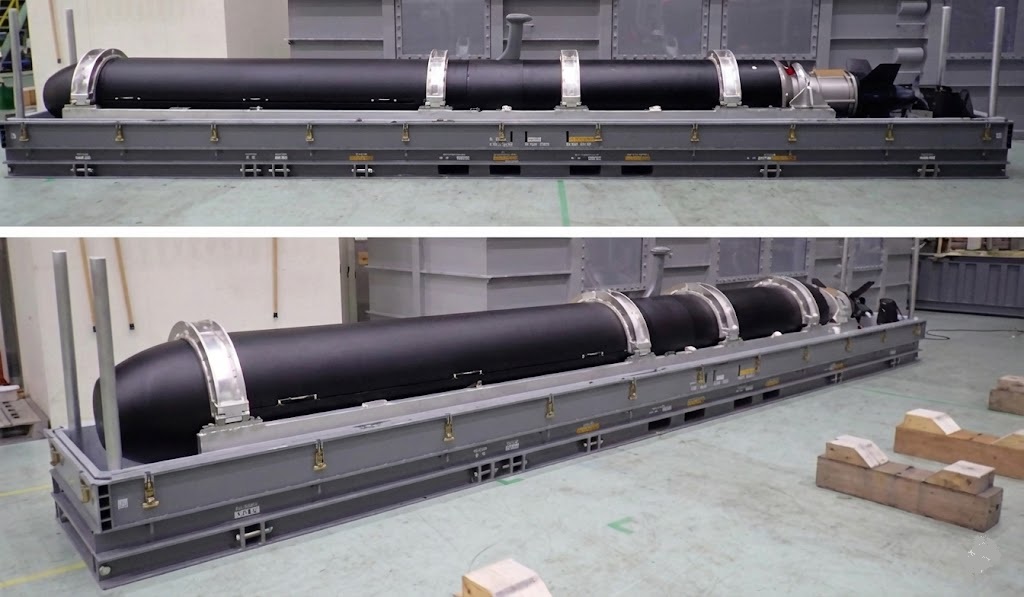
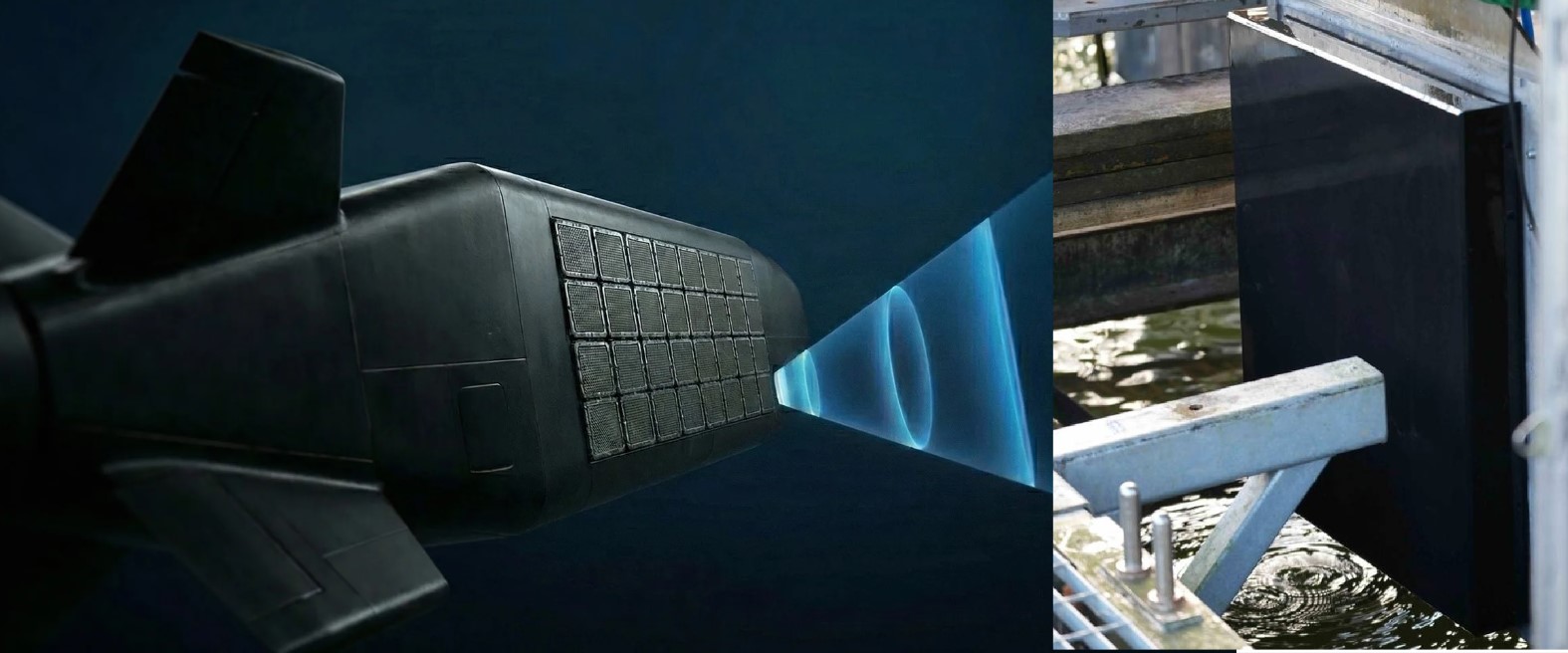
At the heart of Sonar 76Nano is a tile-based acoustic sensing architecture. The system consists of receive tiles and transmit tiles that can be distributed around a vehicle’s hull or structure. Each receive tile measures approximately 75 cm × 75 cm, while a smaller 40 cm × 40 cm transmit tile provides active sonar and underwater communications capability.
For larger uncrewed platforms such as medium, large, and extra-large UUVs (MUUVs, LUUVs, XLUUVs), arrays of up to 48 receive tiles can be installed along the port and starboard flanks and on the bow. Thales says this scalability allows customers to balance detection range, acoustic fidelity, and cost according to operational requirements. Smaller platforms can carry fewer tiles, while larger vehicles exploit increased aperture physics to deliver enhanced performance.
Sonar 76Nano supports a broad range of underwater missions, including passive and active ASW, seabed mapping and survey, critical undersea infrastructure protection, long-range underwater communications, and acoustic data collection for post-mission analysis. A synthetic aperture sonar (SAS) mode enables wide-area, high-resolution seabed imaging, supporting change detection and anomaly identification over large areas.
Artificial Intelligence at the Edge
A defining feature of Sonar 76Nano is its integration of artificial intelligence (AI) to manage the growing volume of acoustic data generated by distributed sensors. The system incorporates AI developed by Thales’ Cortex AI business unit, enabling real-time onboard processing of sonar data.
This AI capability allows the system to sift, prioritise, and classify acoustic information at the point of collection, significantly accelerating target recognition and decision-making. Critical data can be transmitted offboard immediately, while less time-sensitive information is retained for later analysis, reducing pressure on communications bandwidth and shore-based analysts.
Designed for Persistent and Covert Operations
Ian McFarlane, Thales UK’s underwater systems sales director, said the development of Sonar 76Nano was driven by a marked increase in ASW operations and underwater sensing activity across NATO, combined with limited availability of crewed naval platforms.
Thales took a deliberate decision to self-fund development, anticipating demand for a capability deployable on medium, large, and extra-large UUVs to create an ASW “tripwire” in key maritime regions. The system supports both passive and active surveillance, enabling quiet, persistent monitoring over extended periods.
The ASW transmit element was developed in collaboration with UK-based SME Neptune Sonar, underscoring industrial partnership and innovation acceleration.
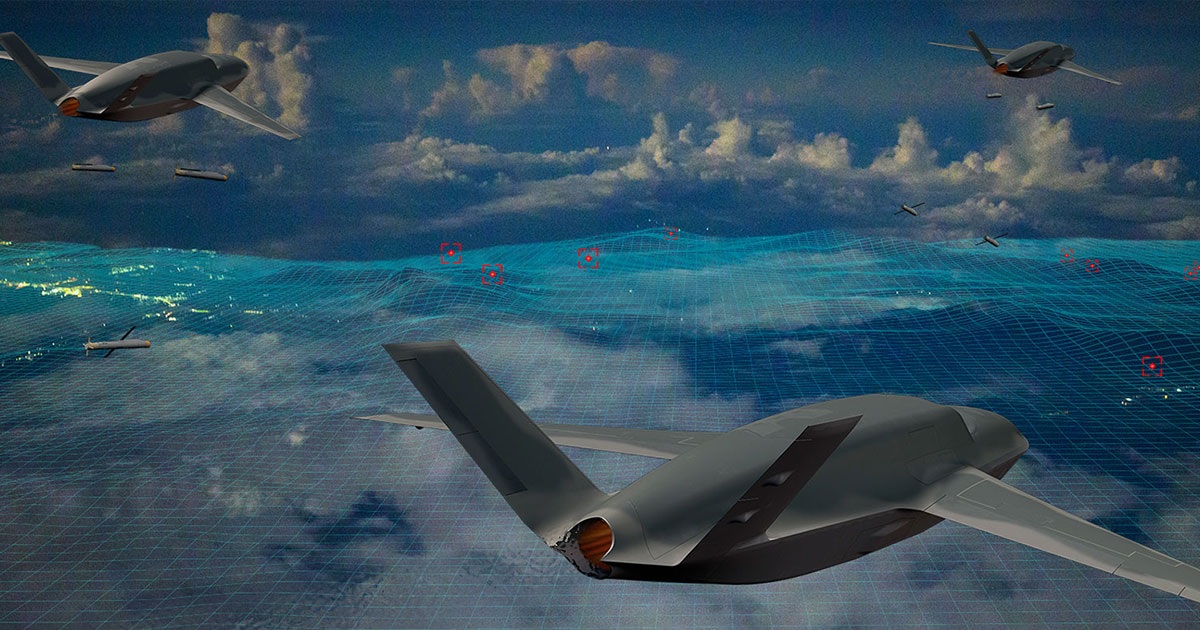
Sonar 76Nano can be deployed as a static seabed sensor or as a mobile payload on UUVs. Its uncrewed nature enables covert deployment in sensitive areas without placing personnel at risk. Thales also envisages Sonar 76Nano-equipped UUVs operating within a wider uncrewed sensing network, or in coordination with nuclear-powered submarines (SSNs), reflecting a maritime version of the “loyal wingman” concept.
By forward-deploying sensors, navies can extend sensing reach, increase decision time, and build a more complete recognised underwater picture for commanders.
Supporting the UK’s Atlantic Bastion Concept
Sonar 76Nano aligns closely with the Royal Navy’s emerging Atlantic Bastion concept, outlined in the UK’s Strategic Defence Review (June 2025). The concept envisages a hybrid force of crewed and uncrewed platforms delivering persistent underwater sensing across the North Atlantic.
Phase One focuses on deploying large numbers of UUVs to establish an initial sensing presence. Phase Two aims to integrate this uncrewed network with XLUUVs, alongside submarines, surface combatants, and maritime patrol aircraft.
Thales believes Sonar 76Nano will add particular value within this integrated force, complementing existing Royal Navy sensors aboard future Type 26 ASW frigates, which will operate hull-mounted, towed-array, and airborne dipping sonar systems. Data from Sonar 76Nano can be fused into a wider multi-domain underwater picture, enhancing situational awareness.
Path to Production and Demonstration
Thales has confirmed that Sonar 76Nano has completed design, build, and testing phases, with in-water trials delivering positive results. The company is now assessing production approaches in the UK and internationally in anticipation of rising demand from NATO navies.
The system is scheduled to participate in a Royal Navy technology demonstrator event on 17 December, allowing naval personnel to gain first-hand operational insight.
The announcement follows a recent UK Ministry of Defence (MoD) update on Atlantic Bastion, confirming GBP 4 million in initial contracts awarded to 20 companies to progress concepts into capability testing in 2026. The Royal Navy aims to deploy operational underwater sensing capability as early as next year.
With Sonar 76Nano, Thales is positioning itself at the forefront of distributed, AI-enabled underwater sensing, as NATO navies seek to protect vital maritime routes and critical undersea infrastructure in an increasingly contested underwater battlespace.
About the Author
Aditya Kumar:
Defense & Geopolitics Analyst
Aditya Kumar tracks military developments in South Asia, specializing in Indian missile technology and naval strategy.