Thales Sonar System for Australia’s Hunter-Class Frigates Successfully Completes FAT in France
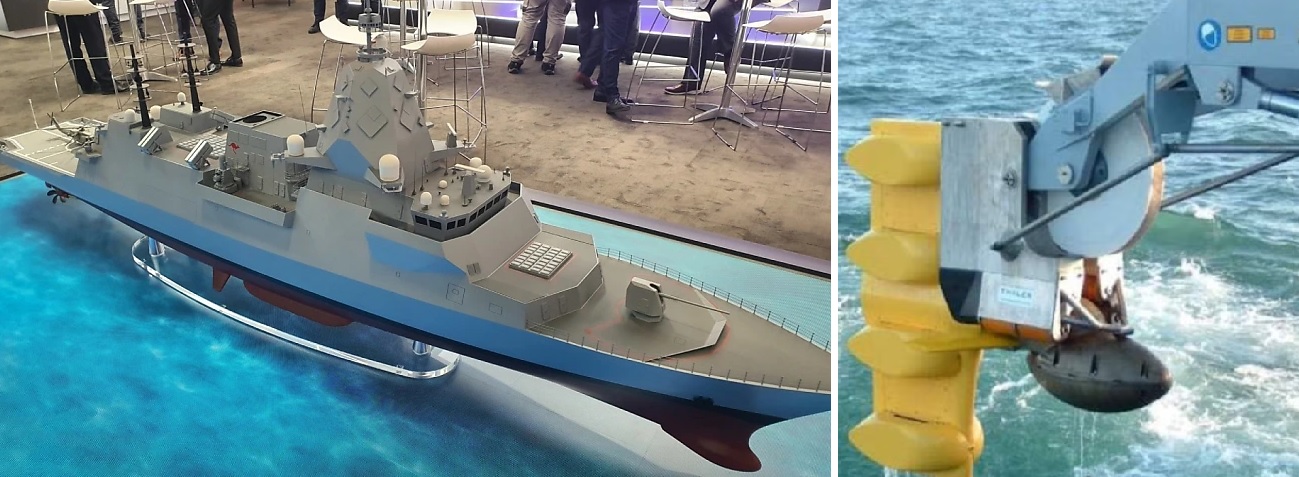
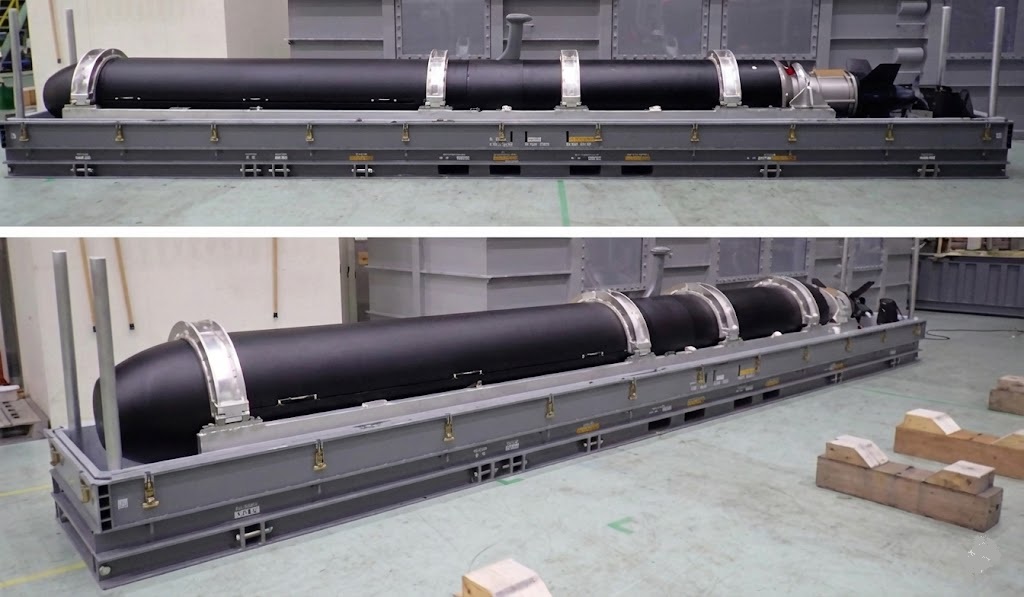
In a landmark step for the Hunter-class frigate programme, the Royal Australian Navy (RAN) and its industrial partners have successfully completed the Factory Acceptance Test (FAT) of the towed body and towed array handling systems for the advanced sonar suite destined for Australia’s future anti-submarine warfare capability. The testing took place at the Thales Defence Mission Systems facility in Brest, France, where representatives from Thales France, Thales UK, Thales Australia, and the RAN gathered.
Testing Success Signals Confidence in System Readiness
The FAT encompassed the towed body handling system (TBHS) and towed array handling system (TAHS), supported by associated auxiliary systems. Commander Roy Casson, representing the Naval Shipbuilding and Sustainment Group, said the systems “performed well in accordance with the detailed test procedures.” He praised the multinational Thales teams for their “diligent and rigorous oversight” in ensuring the product met its design intent.
The successful FAT means the towed-system hardware is now cleared for export to Australia—scheduled for delivery in the first quarter of 2026—where it will be integrated into the Hunter-class frigates under the broader SEA 5000 shipbuilding programme.
Sonar 2087 and CAPTAS-4: A Global, Advanced Undersea Capability
At the heart of this milestone is the sonar suite designated Sonar 2087, a British-variant of the CAPTAS-4 towed-array sonar manufactured by Thales. The CAPTAS family is widely recognised as a world-leading variable-immersion towed sonar, offering combined active and passive detection and long-range undersea surveillance.
Sonar 2087 integrates low-frequency active and passive towed arrays capable of detecting, locating and classifying modern submarines at distances up to 60 kilometres. The system also provides 360-degree situational awareness and real-time torpedo alerts—key capabilities for high-threat anti-submarine warfare (ASW) operations.
Integration into the Hunter-Class: Strategic Significance for Australia
The Hunter-class frigates, being built by BAE Systems Maritime Australia under the SEA 5000 programme, are explicitly designed with a strong ASW focus to counter next-generation submarine threats across the Indo-Pacific region.
With the sonar suite’s handling systems now validated, the path is clear for the installation of the full Sonar 2087 package in Australia. This capability will sit alongside the vessels’ broader sensor and weapons suite, thereby significantly enhancing the frigates’ ability to detect, classify and engage underwater threats in deeper, contested waters.
For Australia, this milestone strengthens both sovereign maritime industry capability and long-term undersea warfare preparedness. The integration of such advanced towed array technology positions the RAN to maintain acoustic superiority in an era of increasingly quiet and sophisticated submarines.
What Happens Next
Following the successful FAT in France, the next steps include:
-
Delivery of the towed-array systems in early 2026
-
Integration of the sonar hardware into the frigates during their construction
-
Sea trials to validate real-world sonar performance
-
Continued work toward the Hunter-class entering service in the early 2030s
Broader Context
This milestone comes as global navies intensify investment in undersea warfare. Thales recently marked its 100th CAPTAS variable-immersion sonar order, underscoring the system’s worldwide demand.
For the RAN and Australia’s defence sector, completing FAT early in the production cycle strengthens confidence in both the supply chain and the technical maturity of the sonar. It also reinforces Australia’s emerging role in building high-end naval systems.
The passing of the FAT for the towed body and towed array handling systems marks a major step forward in equipping Australia’s future frigates with world-class anti-submarine warfare capability. As the Hunter-class programme advances, the integration of Sonar 2087 via CAPTAS-4 places Australia among the navies best positioned to meet evolving undersea threats. With delivery set for early 2026 and ship commissioning in the 2030s, the journey from Brest to Australia’s maritime front line is firmly underway.
About the Author
Aditya Kumar:
Defense & Geopolitics Analyst
Aditya Kumar tracks military developments in South Asia, specializing in Indian missile technology and naval strategy.