Thailand Approves $600 Million Deal to Buy More Swedish Gripen Fighter Jets for Air Force Modernization
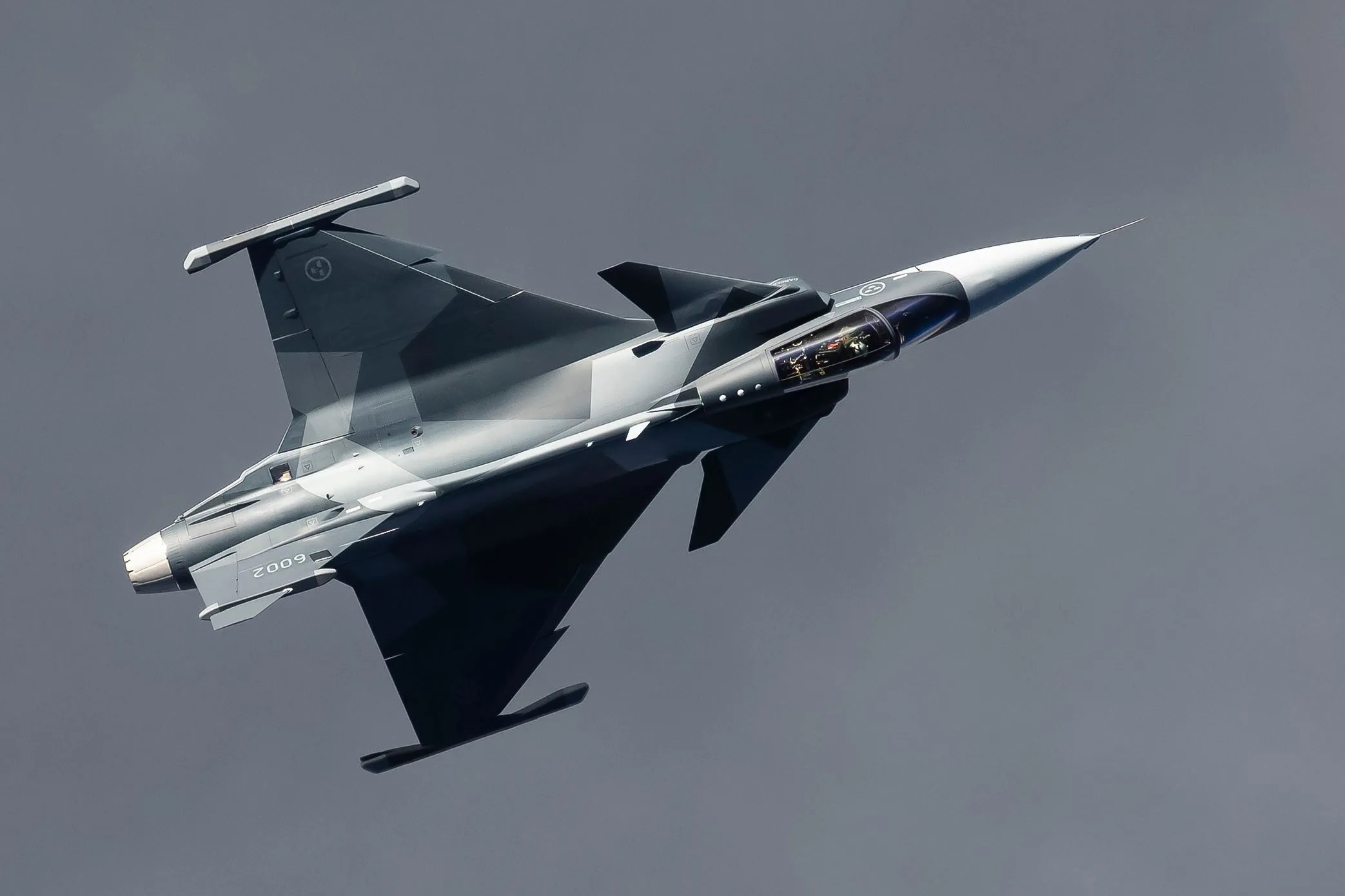
In a significant move to boost its air combat strength, Thailand has approved a $600 million deal to purchase four new Saab JAS 39 Gripen fighter jets from Sweden, according to an announcement by the Royal Thai Air Force (RTAF) on Tuesday. The decision comes just a week after a tense ceasefire was reached with Cambodia following deadly border clashes that left more than 40 people dead—the most violent encounter between the two countries in decades.
The newly approved jets are part of Thailand’s long-term effort to modernize its air force and replace aging U.S.-made F-16 aircraft that have been in service since the 1980s. A special procurement committee had been reviewing options since August last year and eventually chose the Swedish-built Gripen over updated variants of the F-16. The decision followed a 10-month evaluation process focused on cost-efficiency, operational capability, and long-term maintenance advantages.
Thailand already operates a fleet of 11 JAS 39 Gripens, acquired in the late 2000s, and this new order will further strengthen that capability. According to the air force, the acquisition was aimed at ensuring national security and protecting Thai sovereignty, especially in light of rising regional tensions and evolving threats.
The JAS 39 Gripen is a lightweight, multirole fighter jet developed by Saab, Sweden’s top aerospace company. Known for its agility, advanced radar systems, and cost-effectiveness, the Gripen is used by several countries including Sweden, Hungary, the Czech Republic, Brazil, and South Africa.
Experts say Gripen's high maneuverability and short takeoff capability make it suitable for rapid-response missions, particularly in Southeast Asia's unpredictable terrain and political climate. Its open-architecture system also allows easier upgrades over time, helping nations avoid expensive overhauls or complete replacements.
Why Not F-16?
Although the F-16 remains a globally dominant fighter with decades of proven performance, Thailand’s decision was reportedly influenced by the lower operating cost and ease of integration offered by the Gripen. U.S. export controls and geopolitical concerns may have also played a role.
Defense Spending and Strategic Context
Thailand's total defense budget stands at around 200 billion baht ($6 billion), which includes funding for the army, navy, and air force. The air force’s share is now being increasingly directed toward high-tech modernization, including surveillance drones and multirole fighters like the Gripen.
During the recent border conflict with Cambodia, Thailand deployed F-16s for precision strikes, but concerns about the aging fleet’s sustainability have driven urgency in upgrading the air wing.
The Royal Thai Air Force is expected to receive the new Gripens within the next few years, and additional orders may follow depending on regional developments and budget availability.
This latest approval underscores Thailand’s growing focus on self-reliant, versatile air power in a region where geopolitical friction is intensifying. With the addition of these advanced Swedish jets, Thailand is aiming to keep its skies secure and its deterrence credible.
✍️ This article is written by the team of The Defense News.