Tejas Mk2 Simulator Reveals India’s Next-Gen Fighter Jet Cockpit Ahead of 2026 Rollout
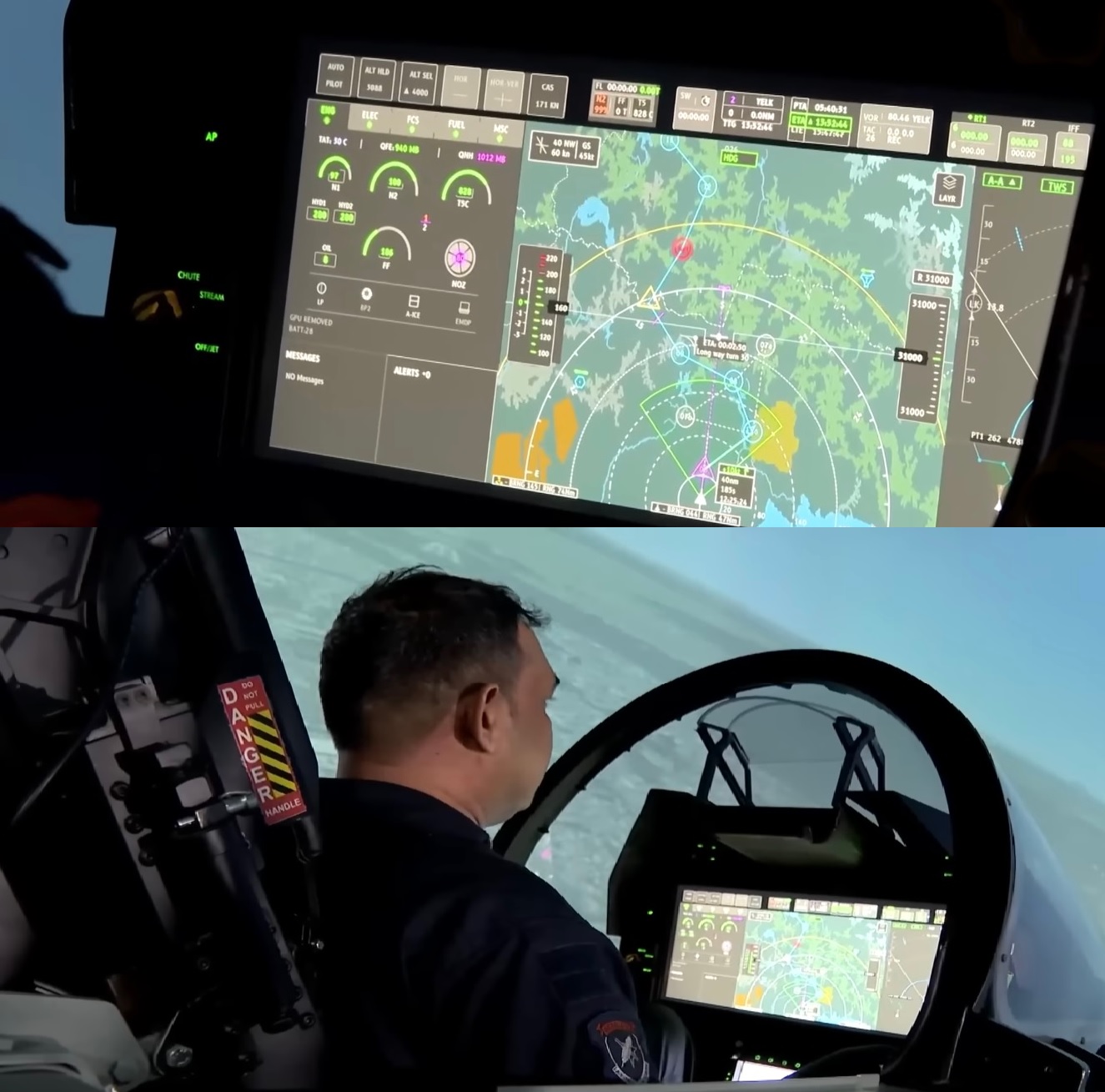
The Tejas Mk2, India’s much-anticipated 4.5-generation fighter jet, has taken a major step forward with the unveiling of its advanced simulator cockpit, offering the first detailed look into the aircraft’s design and systems. Developed by the Aeronautical Development Agency (ADA) under the Light Combat Aircraft (LCA) program, the Tejas Mk2 is positioned as a significant leap from the Tejas Mk1, with enhanced combat capabilities, greater payload, and longer endurance. The first prototype is scheduled to roll out by May 2026, with flight testing expected soon after.
Next-Gen Cockpit for Next-Gen Pilots
According to ADA test pilots, the Tejas Mk2 cockpit has been engineered with a clear focus on automation, reduced workload, and situational awareness. Unlike the Mk1, which had numerous switches and conventional controls, the Mk2 adopts a Large Area Display (LAD)—a wide, touch-enabled digital interface that integrates flight and tactical data. This modern cockpit design reduces clutter and provides pilots with a streamlined, intuitive control environment.
The controls are supported by HOTAS (Hands-On Throttle and Stick), allowing pilots to manage critical functions such as communication, electronic warfare, and weapons release without moving hands away from the throttle and stick. The cockpit also includes a side-stick design, helmet-mounted display and sight system (HMDS), and a large head-up display (HUD), giving pilots enhanced visibility and control in high-pressure combat scenarios.
Sensor Fusion for Superior Combat Awareness
One of the most important upgrades in the Tejas Mk2 is sensor fusion technology, which combines data from radar, electronic warfare systems, and other onboard sensors into a single tactical picture. This integration allows the pilot to instantly recognize threats, differentiate between friendly and hostile aircraft, and even receive system-generated suggestions such as engaging or evading an enemy.
In addition, pilots flying in formation can assign targets and distribute tasks seamlessly, improving coordination and combat efficiency in multi-aircraft operations.
Simplified Targeting and Engagement
The Mk2 introduces a Target Designate Button and cursor control system that allow pilots to quickly lock onto targets without shifting focus or moving hands from primary controls. Once locked, the pilot can engage instantly using the trigger, a feature that speeds up missile deployment and reduces reaction time during dogfights or beyond-visual-range engagements.
Electronic Warfare and Self-Protection
Equipped with a Radar Warning Receiver (RWR) and Missile Approach Warning System (MAWS), the Mk2 offers strong defensive capabilities. These systems alert pilots of incoming threats in real time, allowing rapid countermeasures such as electronic jamming, decoys, or evasive maneuvers.
More Weapons, More Fuel, Longer Missions
The Tejas Mk2 addresses one of the key limitations of its predecessor—the payload and endurance. With 11 hardpoints, the aircraft can carry up to 10 Beyond Visual Range (BVR) missiles and is compatible with a wide variety of advanced munitions, including SCALP cruise missiles, SPICE precision bombs, and HAMMER smart weapons.
The internal fuel capacity has been raised to 3,300 kg, while external tanks increase total carriage to 6,000 kg, giving the aircraft the ability to fly 3.5-hour patrols. When equipped with mid-air refueling capability, its endurance stretches to nearly 10 hours, giving the Indian Air Force unmatched operational flexibility for both defensive and offensive missions.
Environmental and Autopilot Systems
To ensure pilot comfort and effectiveness, the cockpit includes an advanced climate control system, capable of maintaining a steady 25–26°C even in extreme weather conditions, ranging from desert heat to freezing altitudes. A canopy demist function prevents fogging and maintains clear visibility.
The autopilot system is highly advanced, covering four dimensions—position, altitude, time, and speed—allowing the pilot to delegate route navigation to the system while focusing entirely on tactical operations.
Simulator-Driven Development
The Tejas Mk2 simulator is not just a display tool but an integral part of development. By refining cockpit ergonomics and interfaces in a simulated environment, ADA ensures that pilot feedback is incorporated early, avoiding costly last-minute design changes. This approach mirrors global best practices in fighter jet development, ensuring the aircraft is combat-ready from the outset.
India’s Leap Toward Indigenous Air Power
The Tejas Mk2 is designed as a medium-weight fighter, bridging the gap between the Tejas Mk1 and advanced foreign aircraft like the Rafale. Powered by the GE F-414 engine, it is expected to deliver almost double the payload capacity of the Mk1 and integrate next-generation sensors, avionics, and weapons.
With its rollout scheduled for 2026, the aircraft is projected to be inducted by the end of this decade, replacing ageing MiG-29s, Mirage-2000s, and Jaguars in the Indian Air Force fleet.
The unveiling of the Tejas Mk2 cockpit through the simulator marks a turning point in India’s fighter jet program. With advanced avionics, sensor fusion, enhanced weapon capacity, and longer range, the Mk2 is not just an upgrade but a transformative step towards self-reliance in aerospace. If timelines are met, it will significantly boost India’s air combat capabilities and establish the country as a strong contender in the global defence aviation market.
✍️ This article is written by the team of The Defense News.