Tariffs a Challenge, But India Remains a Priority: Boeing Defence India Chief

At the NDTV Defence Summit 2025, leaders from Boeing Defence India, Pratt & Whitney, and Adani Defence & Aerospace outlined how India’s defence manufacturing industry is fast evolving—striking a balance between Atmanirbharta (self-reliance) and its global export ambitions.
Boeing Defence India: Long-Term Commitment
Nikhil Joshi, Managing Director of Boeing Defence India, underlined that U.S. tariffs remain a serious challenge for India’s aerospace and defence sector. Despite this, Boeing reaffirmed its long-standing commitment to India, built over eight decades, directly and indirectly supporting more than 20,000 jobs.
Joshi noted that a joint statement earlier this year by President Donald Trump and Prime Minister Narendra Modi highlighted the strong synergy between American engineering expertise and India’s technical talent—a partnership that can sustain long-term defence manufacturing growth.
He stressed Boeing’s deep integration into India’s defence ecosystem, pointing to its legal registration in the country and direct involvement in critical operations, including Operation Sindoor. While manufacturing investments remain largely U.S.-based for now, Boeing is steadily expanding local sourcing, research & development, and manufacturing to meet India’s defence needs.
Pratt & Whitney: Imports as Enablers
Ashish Saraf, Vice President and Country Head of Pratt & Whitney India, challenged the perception that imports are inherently negative. Instead, he argued that imports, when strategically leveraged, enrich the domestic ecosystem and help build long-term capabilities.
Saraf highlighted the remarkable transformation of India’s defence supply chain over the last 15 years. Where a $100 million investment once seemed ambitious, today even a billion-dollar investment feels insufficient, reflecting the sector’s rapid growth.
He pointed to massive capital inflows from global players like RTX and Pratt & Whitney, which have enabled India to scale up certification, engineering, and manufacturing capacities. Pratt & Whitney alone has invested more than $40 million in India in the past four years, with over 800 employees supporting nearly 600 aircraft, both civilian and military.
Adani Defence & Aerospace: Tech-Driven Growth
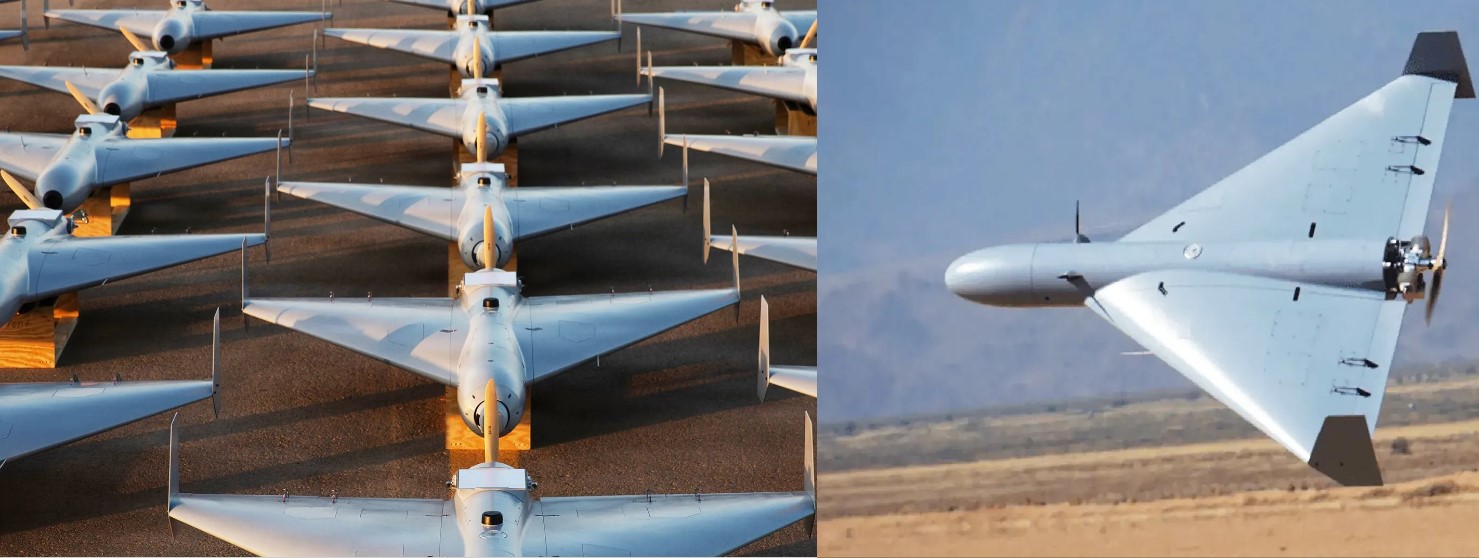
Ashok Wadhawan, Joint President of Adani Defence & Aerospace, emphasized the company’s forward-looking strategy, bringing advanced technologies such as loitering munitions to India before they gained global traction.
Wadhawan said Adani’s philosophy is to avoid redundant reinvention, focusing instead on rapid capability building that serves both Indian defence forces and international customers. Over the past decade, Adani has steadily expanded into missile and ammunition manufacturing, while forging partnerships with global players like Elbit, Thales, and EDGE.
Wider Industry Context
-
India’s defence production crossed ₹1 lakh crore in FY 2023–24, marking a historic milestone.
-
Defence exports rose by more than 30%, with India targeting USD 25 billion in turnover within the next five years.
-
Global aerospace firms, including Airbus, Pratt & Whitney, Rolls-Royce, and Collins Aerospace, are turning to India to strengthen their supply chains, with Indian firms now moving beyond low-end assembly into high-value engineering and system integration.
India’s Emerging Defence Hub
The summit highlighted three complementary viewpoints:
-
Boeing sees long-term resilience through integration and local expansion.
-
Pratt & Whitney stresses the importance of smart import utilization and capital investment.
-
Adani champions rapid, tech-driven growth without duplication of effort.
Together, these perspectives underscore India’s dual ambition: building self-reliant defence capabilities while emerging as a competitive global exporter. From BrahMos missile exports to a rapidly maturing supply chain, India is no longer just a market—it is fast becoming a global hub for defence innovation and manufacturing.
✍️ This article is written by the team of The Defense News.