Taiwan Unveils Low-Cost, Multi-Role Lightweight Plywood-built Attack Drone Fleet
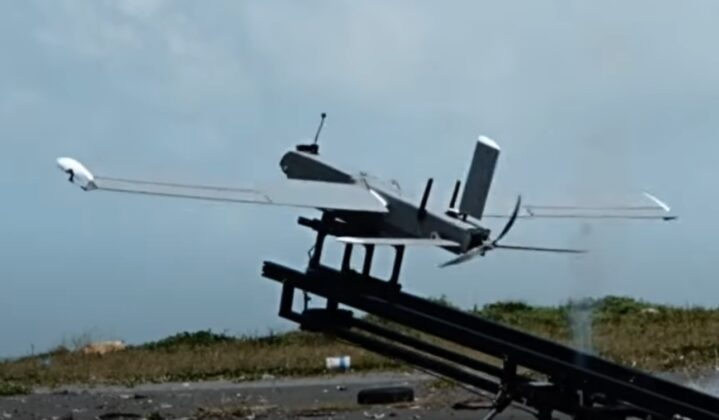
Taiwan’s Ministry of National Defense has unveiled a new generation of multi-role unmanned aerial systems designed to enhance the country’s ability to respond to potential threats from a stronger adversary. Developed at the state-run Plant 202 in partnership with private-sector manufacturers, the program focuses on mass production, affordability, and versatility — all key elements in the island’s asymmetric warfare strategy.
The new lineup includes a fixed-wing strike drone capable of carrying explosives to ram into long-range targets, functioning as a precision-guided loitering munition. One of the standout designs is a lightweight plywood-built attack drone, featuring a rectangular airframe made from durable wooden panels. This simple but effective construction allows for rapid manufacturing at low cost, following a trend seen in the Ukraine-Russia war, where both sides have used wooden drones to evade radar detection and keep expenses low.
Alongside these, Taiwan’s arsenal now includes bomber-style multirotor drones capable of carrying and releasing mines or small munitions on enemy positions with pinpoint accuracy. Officials say these systems can be deployed for both reconnaissance and strike missions, allowing seamless cooperation between ground, naval, and air units. The emphasis on combining intelligence gathering and firepower into a single platform means fewer drones can accomplish more tasks, reducing logistical burden in wartime.
Every model in the new fleet has undergone complete field testing with Taiwan’s armed forces, ensuring readiness for immediate deployment. The drones are designed to be highly mobile and easily concealable, allowing units to relocate quickly, operate from improvised launch sites, and survive in a contested battlespace where traditional aircraft may be too vulnerable.
Military experts note that Taiwan’s focus on small, expendable, and domestically produced drones is a direct response to China’s growing military pressure. Large, high-value systems can be easily targeted in a conflict, but fleets of inexpensive drones offer the ability to overwhelm defenses, conduct surprise attacks, and provide persistent surveillance without risking expensive manned aircraft.
The Ministry of National Defense described the project as a critical step toward strengthening Taiwan’s indigenous defense capabilities. By ensuring local manufacturing and supply chains, the program aims to keep production resilient during a crisis, allowing the military to quickly replenish losses and adapt designs to emerging threats.
With tensions across the Taiwan Strait remaining high, these new drones are expected to play a central role in deterrence and rapid-response operations, giving Taiwan’s forces a cost-effective edge in the face of a much larger opponent.
✍️ This article is written by the team of The Defense News.