Taiwan Unveils $40 Billion Defense Procurement Plan Amid Rising China Threat
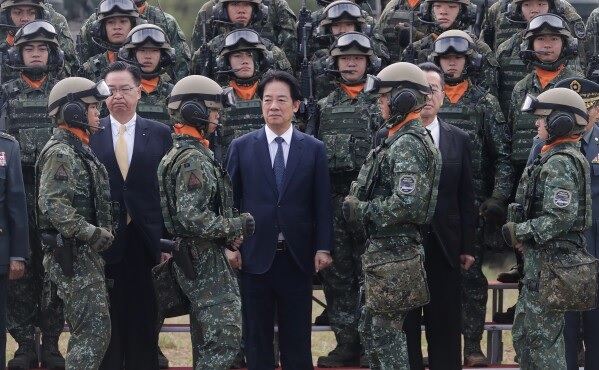
TAIPEI : Taiwan’s Ministry of National Defense has publicly disclosed, for the first time in detail, the weapons and capabilities it intends to procure under a proposed 1.25 trillion New Taiwan dollar ($40 billion) special defense budget, a sweeping eight-year plan aimed at reshaping the island’s military posture in the face of mounting pressure from China.
The disclosure follows a closed-door briefing by Defense Minister Wellington Koo to the legislature’s Foreign Affairs and National Defense Committee and comes after months of political deadlock over the bill. The plan was originally announced in November 2025 by President Lai Ching-te, who framed the spending package as essential to deterrence, resilience, and the survival of Taiwan’s domestic defense industry.
Spanning the years 2026 to 2033, the special budget is designed to complement Taiwan’s regular defense spending and accelerate the acquisition of asymmetric capabilities intended to complicate any potential invasion scenario. Officials say the package focuses on precision firepower, survivable platforms, rapid replenishment, and the ability to sustain combat under blockade conditions.
Political Standoff Forces Rare Disclosure
The publication of the procurement list marks a significant shift for the defense ministry, which has traditionally kept such details classified until legislative approval. Opposition parties — the Kuomintang and the Taiwan People’s Party — repeatedly blocked the bill, citing concerns over transparency, cost escalation, and the balance between domestic production and foreign purchases.
According to officials familiar with the discussions, the decision to reveal the full scope of the plan was intended to break the impasse and “allow defense modernization and readiness efforts to move forward,” after critics argued that lawmakers were being asked to approve unprecedented spending without sufficient detail.
Seven Capability Areas, One Strategic Aim
The ministry organized the proposed purchases into seven broad capability areas that together outline Taiwan’s vision of future warfare: precision artillery, long-range strike, uncrewed and counter-drone systems, air and missile defense including anti-armor weapons, AI-enabled command systems, combat sustainment and wartime production, and weapons co-developed with the United States.
Roughly 300 billion New Taiwan dollars ($9.4 billion) of the total package is earmarked for domestically developed systems, with the bulk of the remaining funds allocated to overseas procurement, primarily from the United States. Several of the items listed have already received U.S. approval as part of an $11 billion foreign military sale cleared in December 2025.
Artillery and Long-Range Firepower at the Core
Precision artillery sits at the top of the procurement list, reflecting Taiwan’s emphasis on long-range fires to counter amphibious landings and massed formations. The plan calls for 60 M109A7 self-propelled howitzers, supported by more than 4,000 rounds of precision-guided munitions, ammunition resupply vehicles, recovery vehicles, and a wide range of auxiliary equipment.
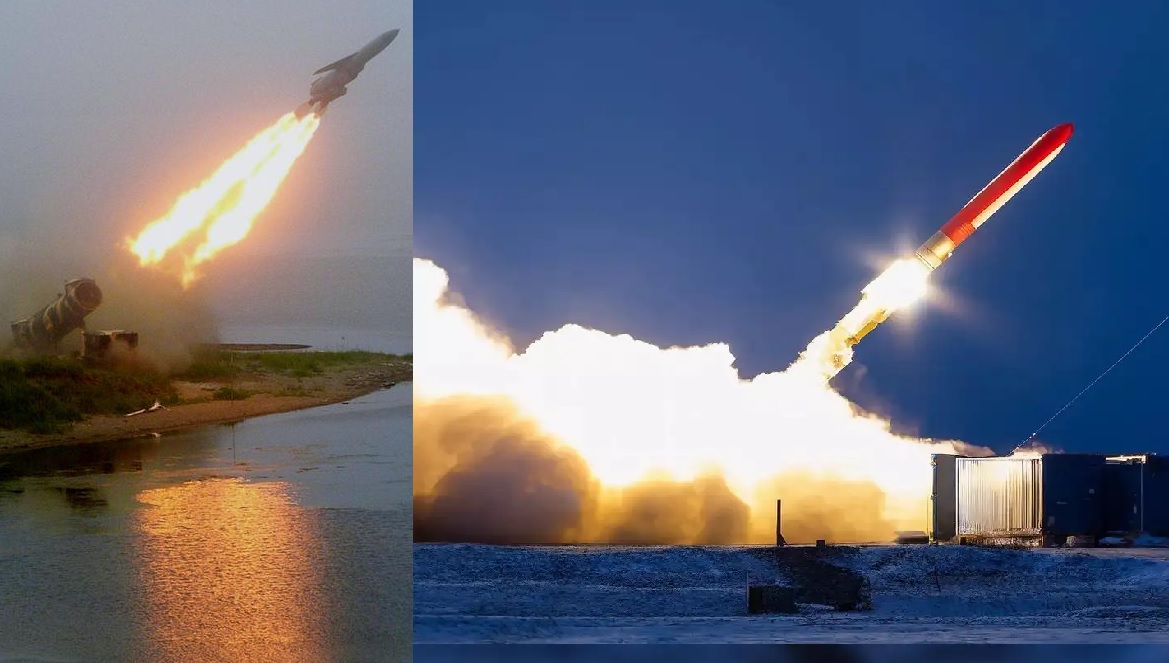
Long-range strike capabilities form the second pillar. The ministry plans to acquire 82 HIMARS launchers, along with more than 1,200 pods of precision rockets and 420 tactical missiles. These systems are intended to strike targets well beyond the beachhead, including logistics nodes and staging areas, while remaining mobile and difficult to target.
Drones, Loitering Munitions and Maritime Autonomy
Uncrewed systems make up the third major category and one of the most expansive parts of the plan. Taiwan intends to field 1,554 Altius-700M loitering munitions and 478 Altius-600ISR drones, following initial deliveries already made under a partnership with Anduril Industries. In addition, the plan envisions the procurement or domestic production of roughly 200,000 uncrewed aerial vehicles for coastal surveillance, reconnaissance, and strike missions.
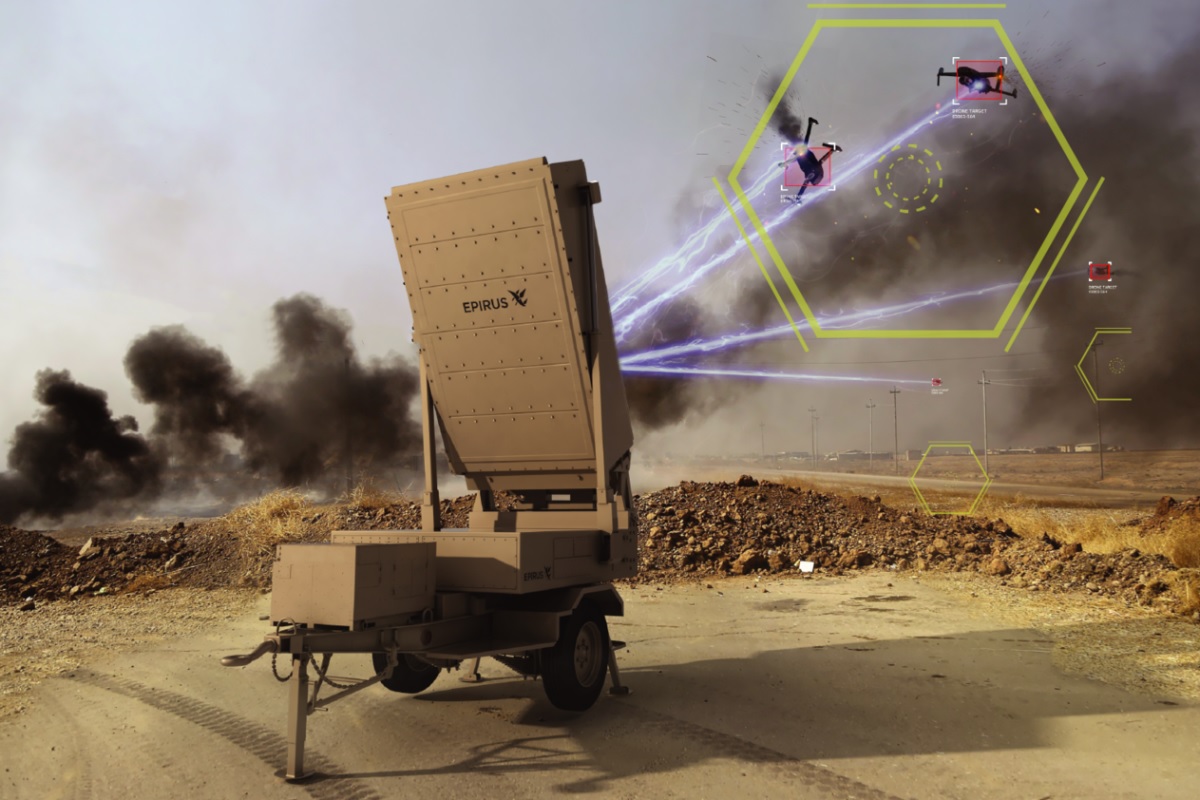
At sea, the budget includes funding for more than 1,000 uncrewed surface vessels, alongside counter-drone systems designed to protect critical infrastructure and naval assets. Among the platforms highlighted by officials is Taiwan’s homegrown unmanned surface vessel, the Endeavor Manta, positioned as a low-cost, high-risk asset for littoral defense and sea denial.
Air Defense, Anti-Armor and Layered Protection
Air and missile defense, combined with anti-armor capabilities, form the fourth category. The ministry’s list includes 70 Javelin anti-armor missile systems with 1,050 missiles and 24 TOW-2B systems with 1,545 missiles, as well as associated launchers, sensors, and support equipment.
Officials say the emphasis on portable, highly lethal weapons reflects lessons drawn from recent conflicts, where dispersed infantry units armed with modern anti-armor systems inflicted disproportionate losses on mechanized forces.
AI, Networks and Faster Decision-Making
The fifth category highlights a growing focus on artificial intelligence and networked warfare. Funding is allocated for AI-enabled decision-support tools, tactical data networks, and applications designed to speed intelligence sharing across units. Defense planners argue that shortening the sensor-to-shooter cycle is as critical as acquiring new weapons, particularly under electronic warfare and cyber attack conditions.
Sustaining a Fight Under Fire
Combat sustainment and wartime production capacity make up the sixth area and are described by officials as the backbone of the entire plan. The budget would expand domestic production of ammunition, explosives, and propellants, establish new armored vehicle assembly lines, and increase output of protective gear, night-vision equipment, and mobile battlefield-denial systems. It also includes investments in small-arms primers and other critical components.
In parallel, the plan allocates funds for urgent munitions purchases — including 120mm tank rounds, 105mm tank rounds, and 30mm autocannon ammunition — to bolster readiness stockpiles and training requirements ahead of expanded local production.
Deepening the U.S. Partnership
The final category covers weapons and equipment co-developed or co-produced with the United States, enabling Taiwan to acquire emerging technologies and enhance asymmetric combat capabilities, while reducing dependence on foreign wartime resupply.
A Test of Resolve
Taken together, the unveiled list offers the clearest picture yet of how Taipei intends to spend the largest single defense package in its history. Whether the disclosure will be enough to overcome political resistance remains uncertain, but defense officials argue that delay carries risks.
“With regional security conditions deteriorating and military pressure increasing, the window for building credible deterrence is narrowing,” one senior official said. “This budget is not about provocation. It is about survival.”
As lawmakers resume debate, the special defense budget has become a litmus test for Taiwan’s political unity — and for its ability to translate strategic intent into concrete military capability before the balance of power shifts further against it.
About the Author
Aditya Kumar:
Defense & Geopolitics Analyst
Aditya Kumar tracks military developments in South Asia, specializing in Indian missile technology and naval strategy.