Taiwan Probes Patriot PAC-2 Missile Explosion During Live-Fire Drill
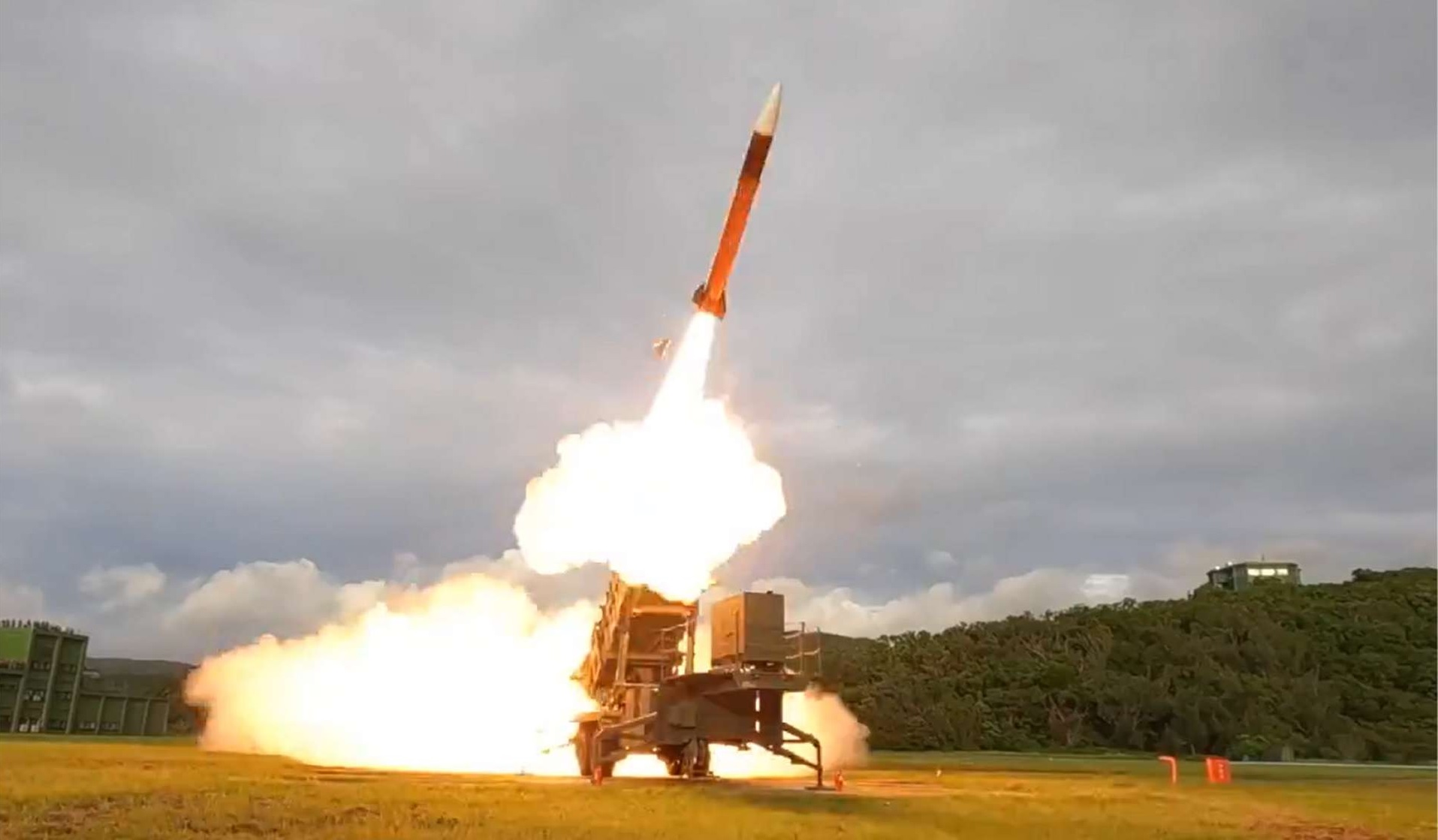
Taipei, August 2025 – Taiwan’s military is investigating the unexpected explosion of a Patriot PAC-2 missile during a major annual precision munitions drill along the country’s southeastern coast. The incident occurred at the Jiupeng military base in Pingtung County, where the armed forces were conducting their Sea and Air Precision Ammunition Firing Exercises.
Incident During Live Drill
Video footage circulating in local media showed that one of two Patriot PAC-2 missiles launched during the exercise detonated in mid-air just four seconds after take-off. The second missile launched during the same drill reportedly flew without any disruption.
While the military has not directly addressed the explosion, Taiwan’s Air Force Command Headquarters confirmed that the annual drills were completed as planned, with all scenarios executed and managed according to standard procedures. A military evaluation committee has been tasked with reviewing the results and investigating the malfunction.
Cause Unknown
According to military sources, the cause of the explosion remains unknown, and officials have not ruled out possibilities ranging from technical faults, fuel or booster malfunction, to human error. The investigation will likely involve both Taiwan’s military engineers and support from the United States, which supplies the Patriot system.
Similar Episodes in the Past
This is not the first time Taiwan has experienced issues with its Patriot missile systems:
-
In 2024, a military truck carrying Patriot equipment overturned in southern Taiwan, injuring two personnel.
-
In 2023, a missile reportedly exploded during a drill. Initial reports claimed it was a PAC-3, but the U.S. manufacturer clarified that the failed missile was not of that variant. Taiwan’s Air Force later confirmed the missile had exploded before reaching its target.
These incidents have raised questions about the maintenance, handling, and operational readiness of Taiwan’s Patriot air defense systems, which form a critical part of its defensive shield against potential missile attacks.
Patriot in Taiwan’s Defense
Taiwan first acquired Patriot missiles in 1996, initially the PAC-2 variant, with subsequent upgrades to PAC-3 interceptors under U.S. foreign military sales programs. The system is designed to intercept ballistic missiles, cruise missiles, and advanced aircraft, making it central to Taiwan’s multi-layered air defense network.
In recent years, Taiwan has accelerated efforts to modernize its missile defense, amid rising tensions with China. The Patriot system, along with domestically developed platforms like the Tien Kung (Sky Bow) missile series, forms the backbone of the island’s defense against potential large-scale missile barrages.
Strategic Implications
While the malfunction has drawn attention, military analysts caution that such incidents are not unusual in the lifecycle of advanced missile systems. Live-fire exercises are often used to stress-test equipment, and failures can help improve reliability. However, given Taiwan’s reliance on these systems in a high-threat environment, any repeated failures could undermine confidence in its defensive readiness.
The ongoing investigation is expected to determine whether the problem was isolated or systemic. Results will shape Taiwan’s future training protocols and may influence future purchases or upgrades of Patriot systems from the United States.
The Patriot PAC-2 missile explosion during Taiwan’s live-fire drill highlights both the strengths and vulnerabilities of its defense preparations. While one missile failed, the successful launch of the second underscored the system’s continued operational value.
For Taiwan, which faces persistent security challenges, ensuring the reliability of its air defense shield remains a top priority. The military is expected to release further details once the evaluation committee completes its review.
✍️ This article is written by the team of The Defense News.