Taiwan Plans to Acquire Over 100,000 Military Drones in Massive Defense Push

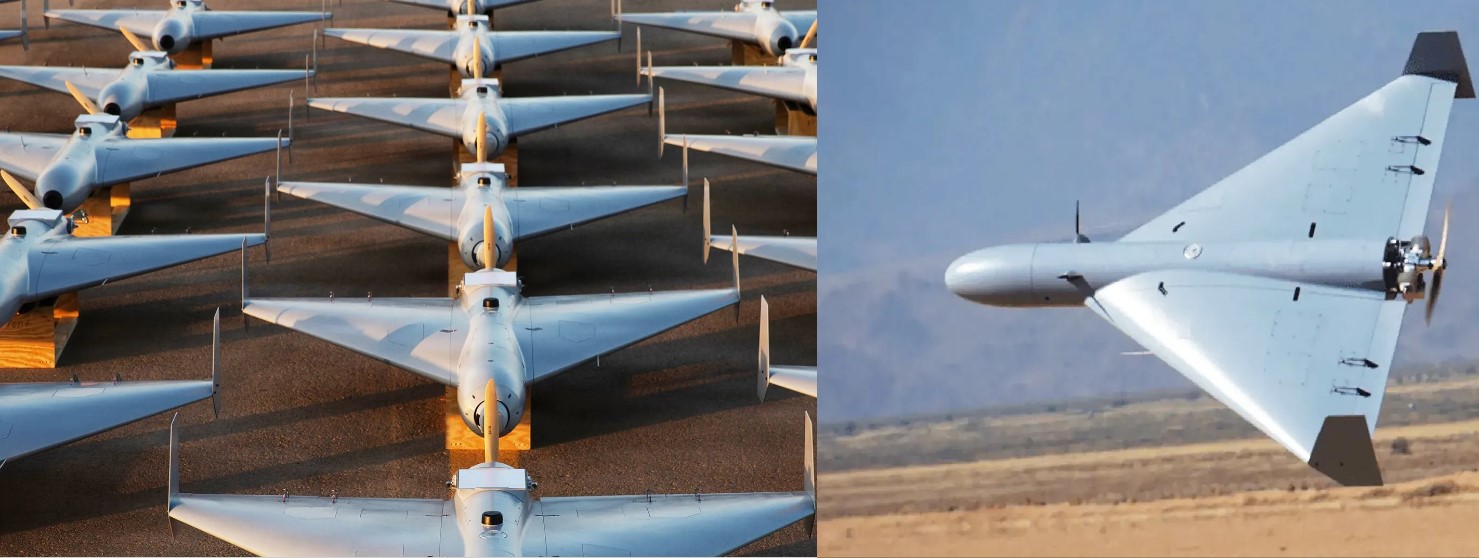
In a major move to strengthen its defense capabilities, Taiwan has announced plans to purchase over 100,000 military drones, making it the country's largest-ever drone procurement initiative.
The effort includes a new order for more than 50,000 unmanned aerial systems (UAS), which will be added to an earlier confirmed purchase of 48,750 drones by the Ministry of National Defense. Together, these acquisitions are expected to fully engage Taiwan's domestic drone production capacity for at least the next five years.
This announcement was made during an industry briefing on July 29, organized by the Executive Yuan’s Aerospace Program Office and the Armaments Bureau. Officials highlighted that the increased demand is part of a broader strategy to enhance national resilience and expand Taiwan’s distributed drone fleet, especially for protecting critical infrastructure and supporting homeland defense.
The new batch of 50,000 drones will serve both civilian and military roles, such as monitoring energy and transportation facilities, and expanding the multi-layered unmanned defense systems across the island.
Earlier this year, the Ministry of National Defense confirmed its plan to acquire drones across five key categories, including micro surveillance drones, attack drones, and medium-range reconnaissance platforms. The total military budget alone is expected to exceed NT$50 billion.
Local manufacturers are already stepping up. Drone maker Thunder Tiger Technologies announced its intent to compete for all five categories of defense drones, as well as the new 50,000-unit order under the Executive Yuan’s plan. Another major player, Century Minsheng, is also scaling up production, with ambitions to enter global defense markets, including Europe and the U.S.
The drone briefing, held at the 202nd Plant in Nangang, drew over 400 participants, including drone makers, electronics firms, material suppliers, and communications companies. Due to high interest, each company was limited to two representatives.
Officials clarified that the procurement process will follow a “multi-award” model, allowing contracts to be shared among several vendors. This will not only speed up production and delivery, but also help reduce risks tied to supply chain disruption.
While many drone specs remain classified, insiders suggest the new fleet will include autonomous flight systems, secure communications, and swarming capabilities—all adapted for Taiwan’s mountainous terrain and urban environments.
Analysts view this massive procurement effort as a turning point for Taiwan’s defense industry, positioning it as a key player in the global drone market amid rising geopolitical tensions and a worldwide push for defense modernization.
✍️ This article is written by the team of The Defense News.