Taiwan In Talks With U.S. For Fourth Patriot System, 500 PAC-3 MSE Missiles And IBCS
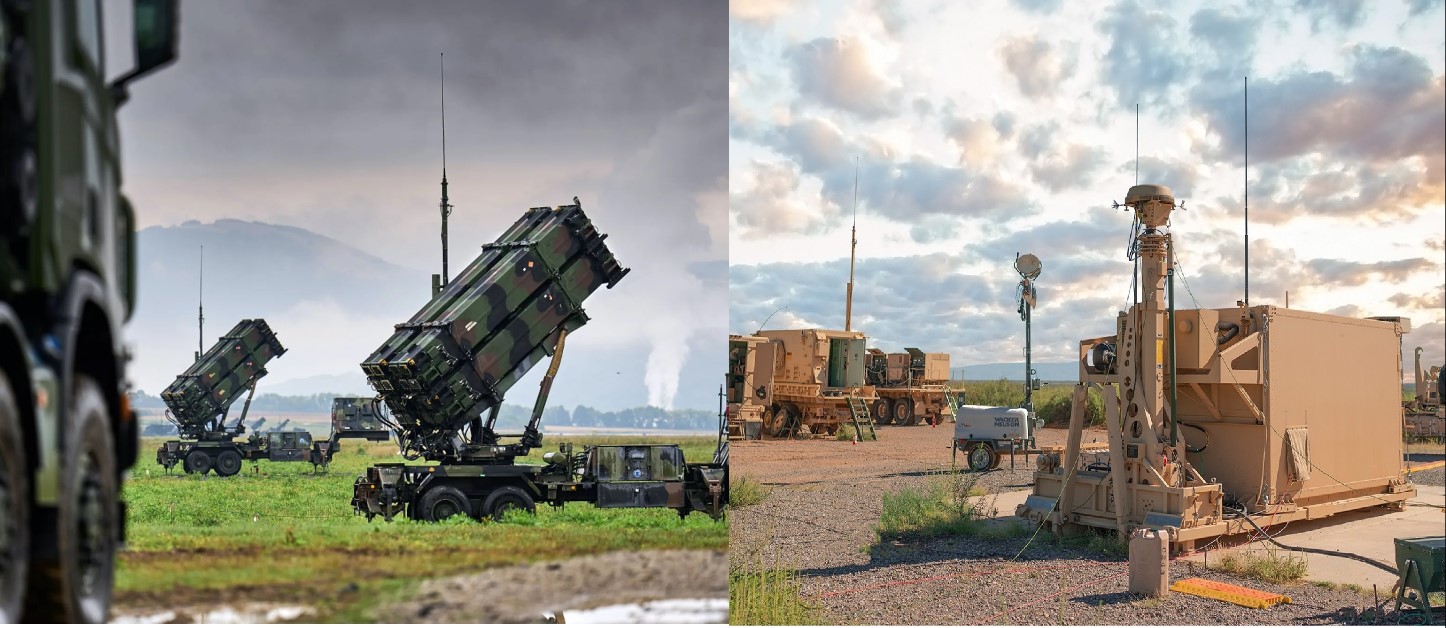
Taiwan and the United States are holding discussions on a significant expansion of the island’s Patriot air and missile defense architecture, including the potential procurement of a fourth MIM-104 Patriot air defense system, up to 500 PAC-3 Missile Segment Enhancement (MSE) interceptors, and the Integrated Battle Command System (IBCS), according to sources familiar with the matter.
If finalized, the talks would represent one of the most ambitious air-defense upgrades Taiwan has pursued in recent years, highlighting Taipei’s determination to counter an increasingly complex aerial threat environment as Chinese military pressure around the island continues to grow.
Focus on Integration And Situational Awareness
At the heart of the discussions is the possible introduction of the Integrated Battle Command System (IBCS), a next-generation command-and-control network developed for the U.S. Army. Unlike traditional air-defense configurations—where each missile battery largely operates within its own radar and fire-control envelope—IBCS enables real-time data fusion from multiple sensors into a single, coherent operational picture.
Defense officials say this capability would markedly improve situational awareness against air targets, including fighter aircraft, drones, cruise missiles, and ballistic missiles. By allowing commanders to assign the most effective interceptor from any connected launcher, the system is designed to shorten reaction times and increase interception success during large-scale or coordinated attacks.
Fourth Patriot System Under Consideration
In parallel, the talks include the possible acquisition of an additional MIM-104 Patriot, which would raise Taiwan’s total Patriot inventory to four operational systems. Military planners view the move as a response to concerns that existing deployments could be stretched during sustained missile salvos.
The discussions also cover a substantial expansion of interceptor stocks, with as many as 500 units of the PAC-3 MSE under consideration. The PAC-3 MSE offers extended range, improved maneuverability, and enhanced lethality, making it particularly effective against high-speed ballistic missile threats and certain advanced cruise missiles.
Built on Years of Patriot Procurement
The proposed deal builds on a long history of Patriot-related purchases and upgrades by Taiwan. In 2010, Washington approved a major arms package that included 114 PAC-3 interceptors, forming the backbone of Taiwan’s modern Patriot force.
More recently, the focus has shifted toward sustainment and modernization. In 2022, the U.S. approved two Patriot support packages totaling nearly $195 million, covering maintenance, spare parts, system improvements, and training to ensure Taiwan’s existing batteries remain combat-ready.
Taiwan also placed an order in 2021 for PAC-3 MSE missiles, with deliveries scheduled for 2025 and 2026, according to official statements. The latest discussions would significantly expand that order, signaling a desire for deeper missile stockpiles capable of supporting prolonged defensive operations.
Strategic Context And Budget Debate
The talks come amid deliberations in Taipei over a large supplementary defense budget aimed at accelerating the acquisition of air defense, precision-strike, and asymmetric capabilities. While Taiwan’s defense ministry has declined to comment on specific items under negotiation, officials have repeatedly stressed the need for better integration of sensors, command networks, and interceptors.
From Washington’s perspective, the potential sale aligns with a broader push to promote networked air-defense architectures among partners. Incorporating IBCS would also bring Taiwan’s defenses closer to U.S. operational concepts, potentially easing future upgrades and interoperability.
Toward a Layered And Networked Shield
Taken together, a fourth Patriot system, hundreds of PAC-3 MSE interceptors, and the adoption of IBCS would mark a qualitative shift in Taiwan’s defenses. Analysts note that the emphasis is not merely on increasing missile numbers, but on networking capabilities to ensure every radar, launcher, and interceptor contributes to a layered, integrated defense.
As negotiations continue, the emerging picture suggests Taiwan is focused not just on acquiring more weapons, but on building a smarter, more resilient air-defense network suited to an evolving regional security landscape.
✍️ This article is written by the team of The Defense News.