Taiwan Completes Initial Tests of New Tien Kung IV Missiles

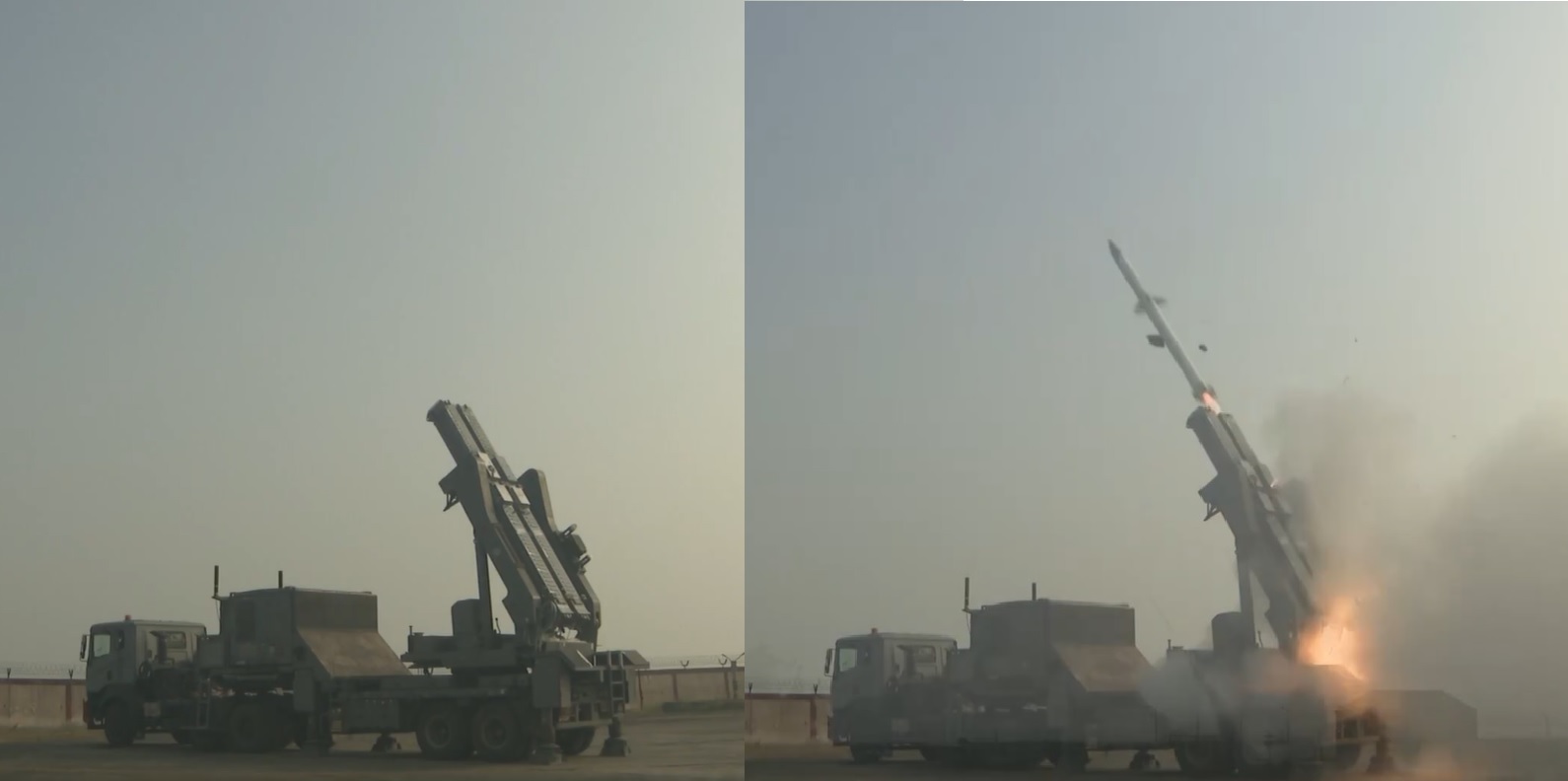
Taiwan has successfully completed the initial operational evaluation and limited field testing of its latest Tien Kung IV missile system, marking a major step forward in the island’s air defence capabilities. The testing of these advanced missiles comes at a time of growing regional tension and rising military pressure from China.
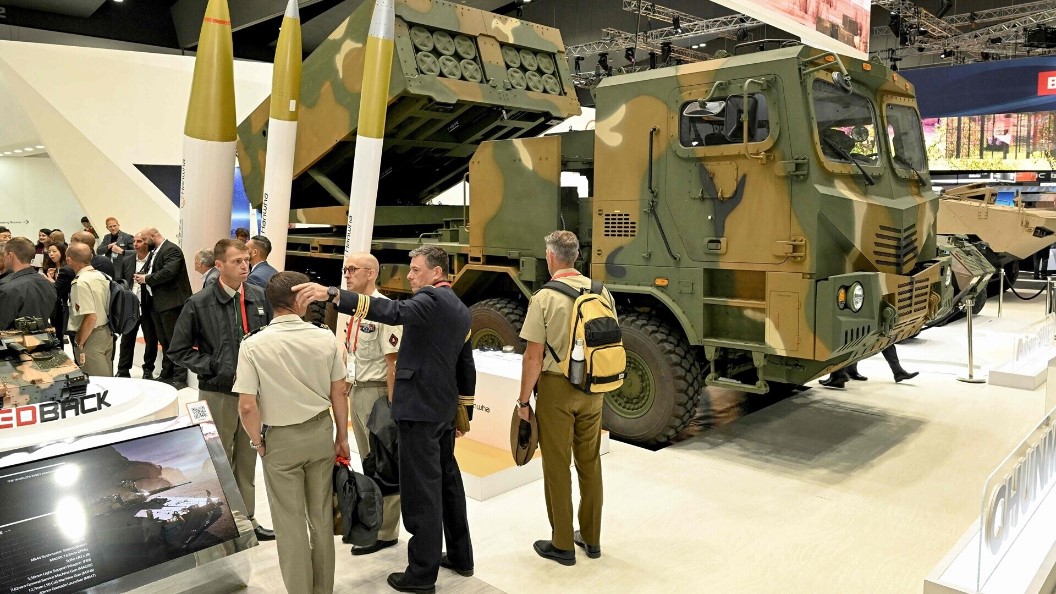
The Tien Kung IV, also known as Sky Bow IV, has been developed under Taiwan’s Strong Bow program by the Chungshan Institute of Science and Technology. According to defence officials, this state-of-the-art missile can intercept high-flying cruise missiles and even ballistic missiles at a maximum altitude of 70 kilometers. This represents a significant improvement over its predecessors — the Tien Kung III with a ceiling of 45 kilometers and the American PAC-3 Missile Segment Enhancement system, capable of reaching 60 kilometers.
Officials familiar with the program have indicated that mass production of the Tien Kung IV is expected to begin from next year. At the same time, production of the older Tien Kung III systems is planned to wind down by early next year as its allocated budget nears exhaustion.
Interestingly, Taiwan isn’t stopping there. The Ministry of National Defence also has plans to develop two more advanced weapon systems under the Strong Bow program — an air defence missile with a maximum altitude of 100 kilometers and a surface-to-surface missile capable of striking targets 1,000 kilometers away. These efforts reflect Taiwan’s strategy to improve its long-range deterrence and defensive reach amid increasing threats from across the Taiwan Strait.
To support these ambitions, Taiwan’s defence spending is set to rise to 3% of its GDP, in line with US recommendations. The government has already secured large special budgets — NT USD 247.2 billion for the purchase of 66 advanced F-16C/D Block 70 fighter jets and another NT USD 388.3 billion earmarked for developing various domestically produced missile systems.
The military is also investing heavily in strengthening its infrastructure and resilience. By 2026, over NT USD 116.4 billion will be allocated to reinforce telecommunications hubs, upgrade command centres, and improve military training facilities. In addition, Taiwan plans to spend around NT USD 500 billion on procuring US-made arms, with further details of these purchases expected later this year.
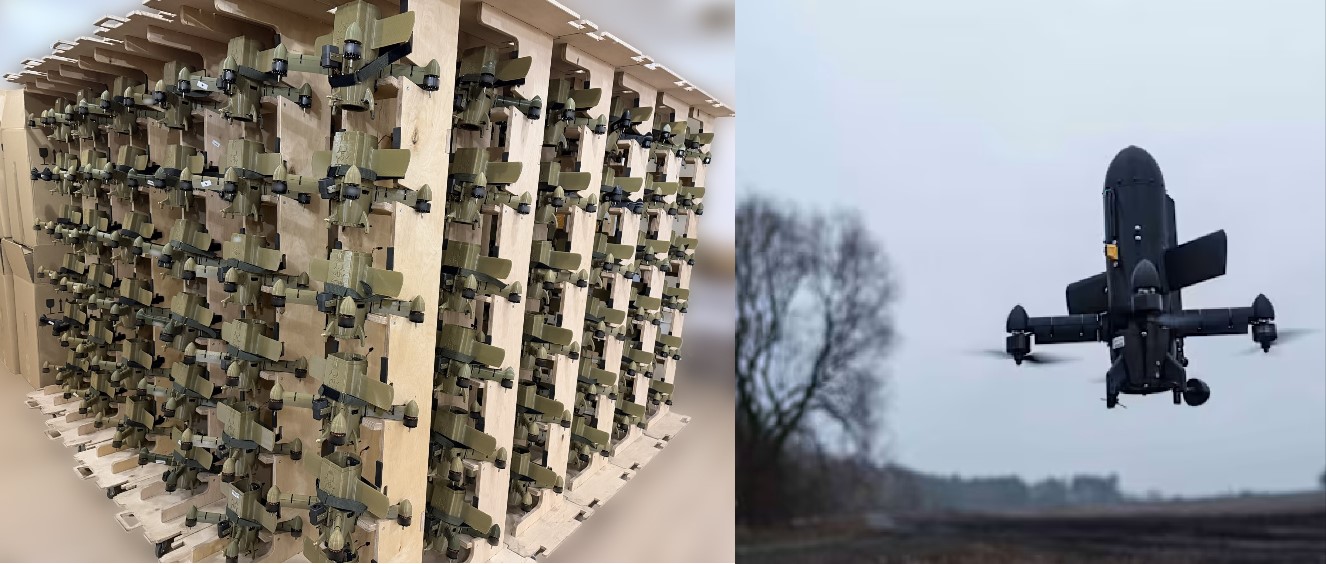
Apart from missile systems, Taiwan’s armed forces are advancing several other domestic defense projects. These include the production of Albatross uncrewed aerial vehicles (UAVs), the second-generation Kestrel anti-armor rocket launchers, and setting up new assembly lines for 155mm artillery shells, ensuring the military remains well-equipped in various combat scenarios.
This recent development follows Taiwan’s earlier successful test firings of Land Sword II missiles, which are designed to counter a wide range of airborne threats. Additionally, American-supplied High Mobility Artillery Rocket Systems (HIMARS) have been tested at a military base in Pingtung County in recent months, showcasing Taiwan’s growing capability to respond to different types of aerial and missile threats.
A Tense Regional Backdrop
Taiwan’s military advancements are happening against the backdrop of the long-running Taiwan-China conflict. Although Taiwan operates as an independent government with its own military, economy, and democratic institutions, China views the island as a breakaway province. Under the "One China" policy, Beijing insists there is only one sovereign China and has never ruled out the use of force to reunify Taiwan with the mainland.
This geopolitical dispute dates back to the Chinese Civil War (1945-1949), when the defeated Republic of China (ROC) government retreated to Taiwan after the Communist Party led by Mao Zedong took control of mainland China. Since then, China has applied constant diplomatic, economic, and military pressure on Taiwan, striving to isolate it internationally and discourage countries from establishing formal ties with the island.
Given this tense and complicated situation, Taiwan’s rapid defence modernization — especially the successful testing of the Tien Kung IV missiles — represents both a crucial deterrent and a message to Beijing and the wider international community that Taiwan is actively strengthening its ability to defend itself.
As the security situation in the Indo-Pacific continues to evolve, all eyes will be on Taiwan’s next moves, especially as it prepares to mass-produce its most advanced missile systems and unveils further upgrades to its military infrastructure.
✍️ This article is written by the team of The Defense News.