Syrian Rebels Capture Fully Operational S-125 Air Defense System in Aleppo Airport Assault
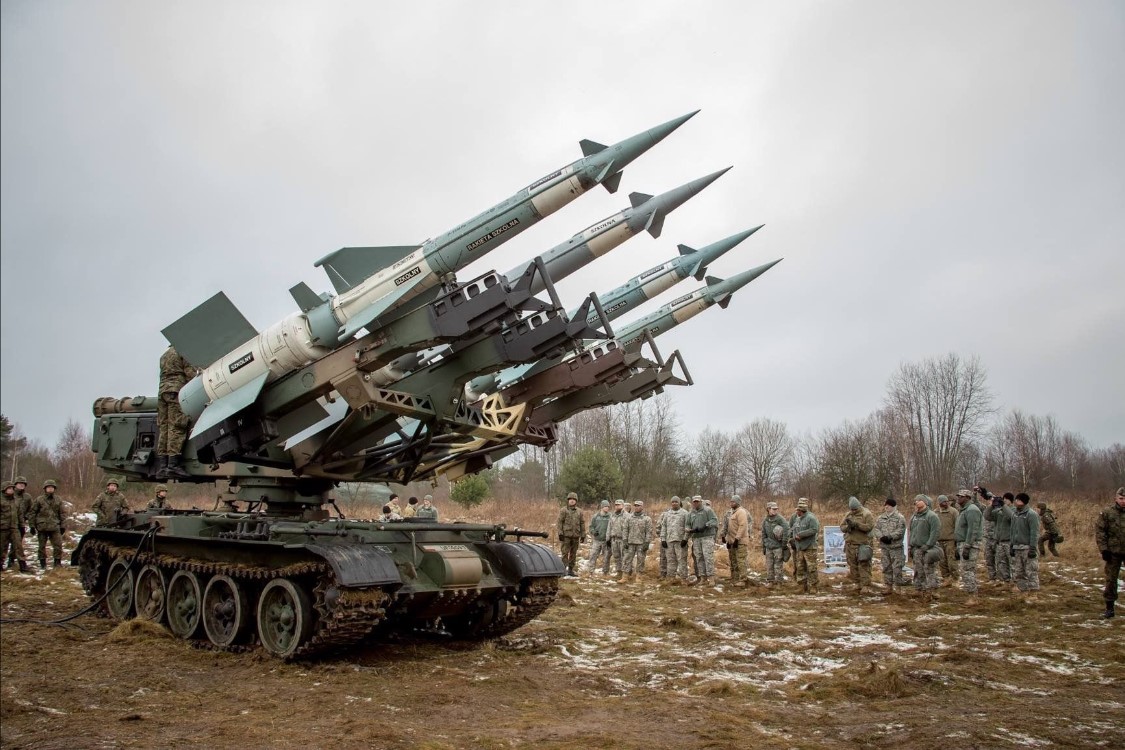
In a significant development in the Syrian conflict, Turkish-backed rebels have seized a fully operational S-125 “Pechora” air defense system during their rapid offensive on Aleppo Airport. The dramatic capture underscores the precarious state of the Assad regime’s military hold over northern Syria and highlights the strategic vulnerabilities in its defense infrastructure.
A Stunning Seizure
Images and videos circulating widely on social media confirm the rebels have acquired an intact and operational S-125 system. This Soviet-era air defense system, also known by its NATO designation SA-3 Goa, was a key asset for Assad’s forces. Capable of engaging targets at altitudes of up to 18 kilometers, the S-125 remains a potent weapon despite its vintage.
Defense analysts have noted the surprising condition of the captured system. It is rare for such valuable military hardware to be seized intact during conflict, suggesting either a critical oversight or severe disarray among Assad's forces. One expert remarked, “The fact that no attempt was made to destroy or disable this system points to significant breakdowns in command and operational discipline.”
The Offensive on Aleppo Airport
The swift assault by Turkish-backed rebels overwhelmed the Assad regime’s defenses at Aleppo Airport earlier this week. According to local reports, regime forces abandoned their positions in haste, leaving behind critical assets including the S-125 system, tanks, and other military hardware. This marks one of the most significant losses of high-value equipment for the regime in recent months.
The capture of Aleppo Airport and its assets comes amid a broader rebel offensive in northern Syria. Fierce clashes have allowed rebel factions to consolidate gains in strategic areas, further eroding the Assad regime's foothold in the region.
Specifications of the S-125 “Pechora”
The S-125 system was originally developed by the Soviet Union in the late 1950s and has undergone numerous upgrades to remain relevant in modern combat. Its medium-range capabilities make it a formidable adversary to enemy aircraft, particularly in contested airspace. Key specifications include:
- Target Range: Up to 35 kilometers.
- Target Altitude: Effective engagement at up to 18 kilometers.
- Guidance System: Semi-active radar homing.
- Missile Speed: Approximately Mach 3.
While the system has seen service worldwide, its role in the Syrian Civil War has primarily been defensive, protecting airbases and key infrastructure. Its loss to the rebels raises concerns about its potential use against both regime and allied aircraft, including those of Russia.
Implications for Assad’s Forces
The fall of Aleppo Airport and the capture of the S-125 system highlights the Assad regime's growing vulnerabilities. In recent months, rebel forces have seized numerous assets, ranging from armored vehicles to artillery systems. This series of defeats points to weakening morale, poor coordination, and overstretched resources among regime troops.
Furthermore, the incident has broader implications for Assad’s allies, including Russia and Iran. Both nations have invested heavily in propping up the regime, and the loss of such a critical system underscores the limits of their support. For Turkey, which backs the rebel factions, the capture is both a tactical and symbolic victory, solidifying its influence in northern Syria.
A Turning Point?
As the conflict in Syria continues to evolve, the capture of the S-125 “Pechora” system could mark a turning point in the balance of power in the region. While the long-term impact remains uncertain, the incident underscores the shifting dynamics on the battlefield and the increasingly precarious position of the Assad regime in northern Syria.
This development also raises pressing questions about the future trajectory of the conflict, including the possibility of further losses of critical military assets and the role of international actors in shaping its outcome.
✍️ This article is written by the team of The Defense News.