Sweden Approves Robotic Missile Hatch for Visby-Class Corvettes as Navy Updates Baltic Capabilities
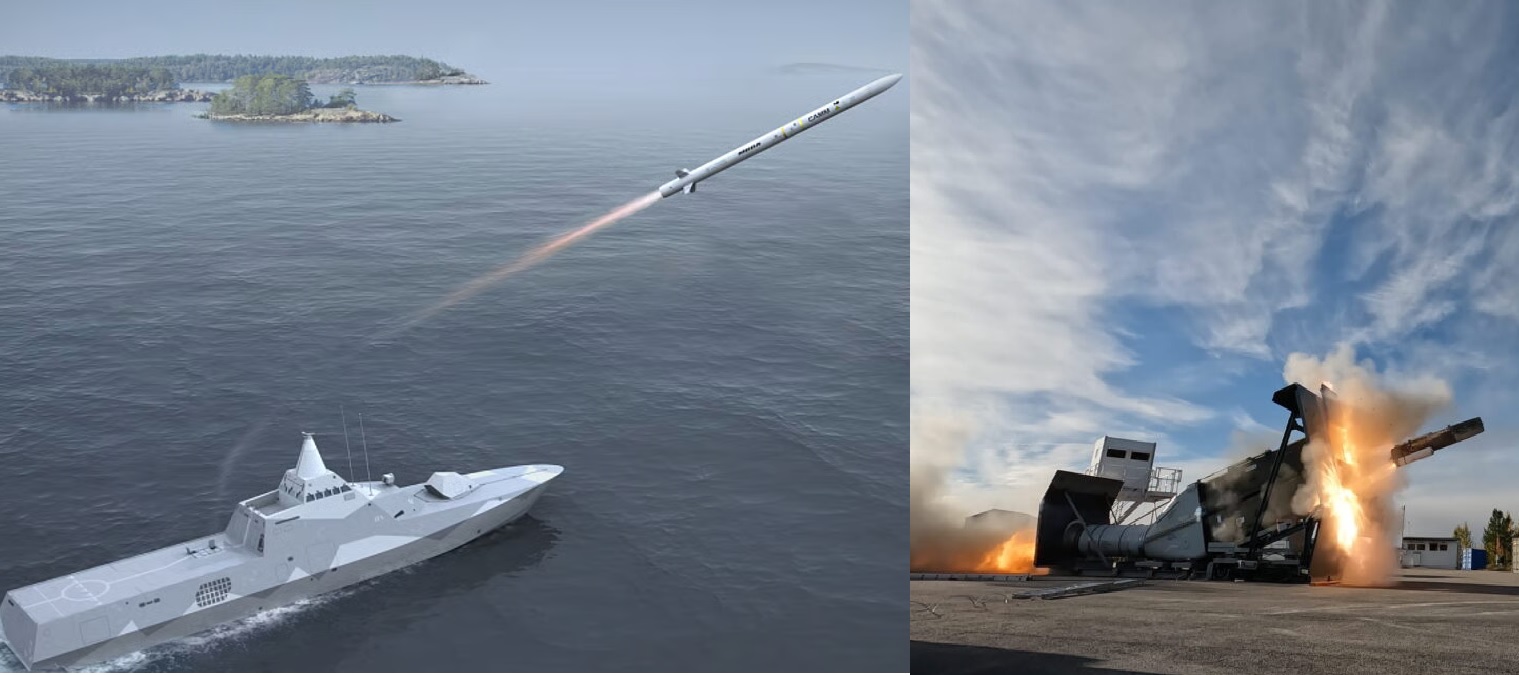
Sweden’s Ministry of Defence has approved development of a new robotic missile hatch for the Visby-class corvettes, supporting the Navy’s plan to integrate the next generation of Robot 15 (RBS15) anti-ship missiles. Announced on 5 November 2025, the project aims to maintain the corvette’s low radar signature while enabling it to operate larger, longer-range missiles.
The decision aligns with Sweden’s growing role within NATO and its ongoing efforts to update fleet capabilities for operations in the Baltic Sea.
Maintaining Stealth While Increasing Capability
The Visby class has been central to Sweden’s approach to stealth coastal operations since the early 2000s. Constructed from carbon fibre–reinforced plastic and designed with angled surfaces, the corvettes conceal most weapons behind flush hatches to reduce detectability.
Integrating the latest Robot 15 variant—linked to the RBS15 Mk IV Gungnir programme—required adjustments due to the missile’s increased range of over 300 km, improved land-attack functionality, and updated electronic countermeasure resistance. These upgrades also bring greater size and structural requirements, prompting a reevaluation of how the launcher is stored and deployed within the corvette’s hull.
The new robotic hatch system allows for the missile launcher to remain concealed under a composite panel. When activated, it initiates an automated sequence that coordinates hatch opening, launcher elevation, and ship-motion control.
Prototype Testing Confirms System Performance
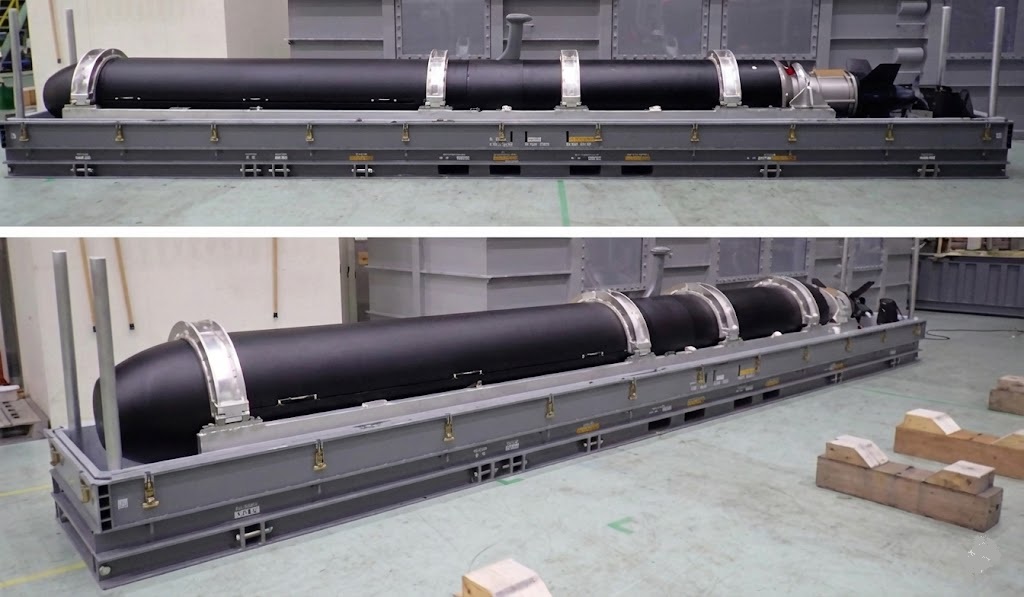
A full-scale prototype of the hatch–launcher assembly was tested at the FMV Test and Evaluation Centre in Vidsel. Engineers from the Swedish Navy, FMV, Saab Dynamics, and Svekon carried out structural load checks, motion tests, and timing evaluations using a dummy missile.
Testing demonstrated that the system can meet operational requirements under Baltic Sea conditions. Data collected during the trials is being used to refine the control software, ensuring consistent hatch operation and reliable locking mechanisms.
These developments feed into the broader Visby mid-life upgrade, scheduled to begin in 2026, which includes adding Lockheed Martin’s ExLS, MBDA’s CAMM/Sea Ceptor air-defence missiles, and updated combat systems. Combined with the hatch, these upgrades support a more integrated and efficient weapons suite.
Operational Benefits: Efficiency and Crew Safety
The robotic hatch system offers practical advantages over traditional open-deck launchers, which expose missiles to weather and require more manual handling. By keeping the launcher enclosed until needed, the system reduces maintenance and limits exposure of sensitive equipment.
Automation also improves efficiency by coordinating target designation, hatch movement, and missile launch within a single process, reducing the number of manual steps required.
Strategic Value for Sweden and NATO
With the addition of the new Robot 15, updated air-defence systems, and automated handling equipment, the Visby-class corvettes will be better positioned to support Sweden’s maritime responsibilities. The upgraded ships will be capable of:
-
conducting long-range anti-ship engagements
-
supporting sea-denial missions
-
operating effectively within NATO’s maritime information-sharing networks
-
limiting adversary insight into their missile readiness due to concealed launchers
The ability to keep launchers hidden until activation provides operational security and contributes to fleet resilience.
Towards 2030: Gradual Integration Across the Fleet
The installation of the robotic hatch system will proceed during scheduled upgrades, with full implementation expected by 2030. The Navy plans to incorporate operational feedback along the way, ensuring compatibility with future Robot 15 variants and ongoing software updates.
By the end of the decade, the Visby fleet is expected to have improved stealth, automation, and strike capability, aligning the class with current regional defence requirements.
A Focused Technical Upgrade with Practical Impact
The robotic hatch project highlights the importance of platform–missile integration in naval modernization. By adopting a system that supports next-generation weapons while keeping the Visby’s low-observability design, Sweden is reinforcing the long-term utility of its corvette fleet.
Once installed, the Visby-class ships will be able to operate their missile systems with greater consistency and reduced exposure, supporting Sweden’s role within NATO and its operational needs in the Baltic Sea.
About the Author
Aditya Kumar:
Defense & Geopolitics Analyst
Aditya Kumar tracks military developments in South Asia, specializing in Indian missile technology and naval strategy.