Spain’s Navantia Unveils ALPHA-3000 for Royal Thai Navy as Drone Threats Redefine Naval Warfare
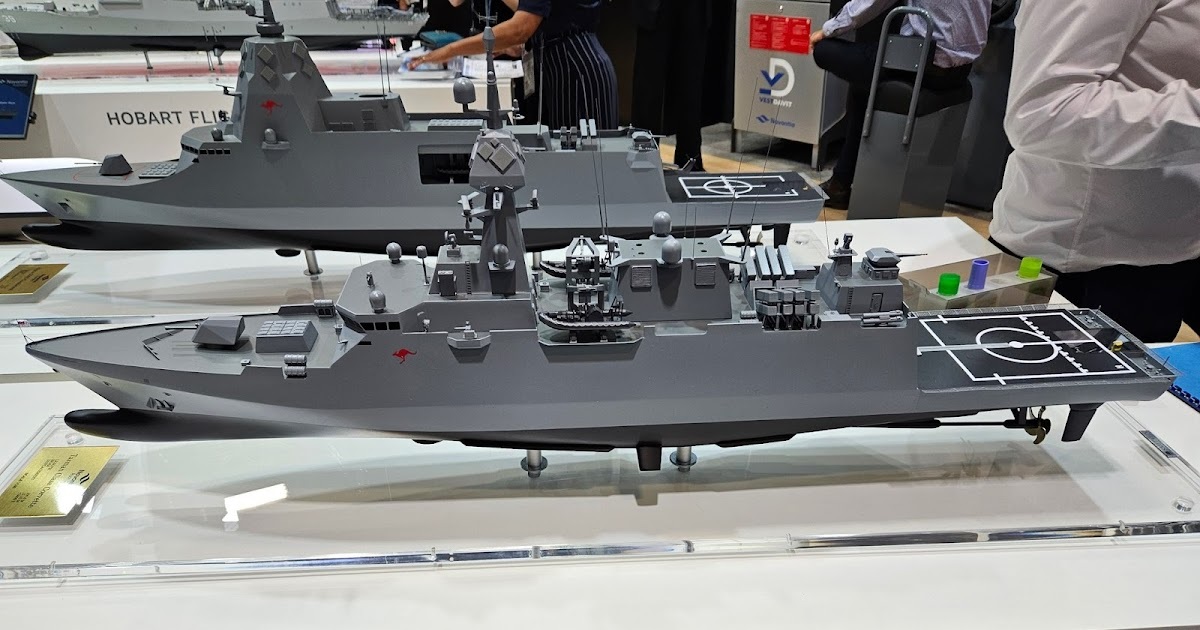
Spanish shipbuilder Navantia has formally showcased its ALPHA-3000 multi-mission frigate at Defense & Security 2025 in Bangkok, presenting a flexible, modular warship concept aimed squarely at the Royal Thai Navy (RTN)—despite no official Request for Proposal (RFP) being issued yet. The company is promoting the platform as a future-ready frigate capable of countering emerging threats, especially drones, while offering deep technology-transfer options to support Thailand’s long-term naval modernization.
Modular Architecture and Thai Industry Integration
At the heart of the ALPHA-3000 concept is its open-architecture design, built to adapt to shifting operational needs. The ship is centered on Navantia’s next-generation CATIZ (Combat System Integrado de Navantia) combat management system, designed to integrate sensors, weapons, radars, and electronic warfare suites sourced from any international supplier.
Navantia officials emphasized that the frigate’s architecture allows Thailand to tailor weapon systems, radar suites, and indigenous technologies once RTN publishes its formal requirements. The Spanish shipbuilder also reiterated its readiness for technology transfer (ToT), local production, and long-term industrial support—an offer that aligns with Thailand’s broader ambition to boost domestic shipbuilding and reduce dependency on foreign suppliers.
Navantia’s long relationship with Thailand also strengthens its bid. The company built Thailand’s sole aircraft carrier, HTMS Chakri Naruebet, and recently won a contract to upgrade the navy’s two Pattani-class offshore patrol vessels. Navantia will also supply CATIZ CMS and the DORNA Fire Control System for the Chinese-built LPD HTMS Chang.
Defense analysts note that this existing footprint gives Navantia a significant advantage over competitors entering the market for the first time.
Counter-UAS as a Core Design Priority
While most frigate designs in the region emphasize anti-surface and anti-submarine warfare, the ALPHA-3000 breaks new ground with counter-drone warfare integrated as a primary design driver.
According to company officials, this focus was not requested by Thailand, but shaped by battlefield lessons from Ukraine, Gaza, and the Red Sea, where drones—especially FPV (First-Person View) kamikaze drones—have become a defining naval threat.
Indra’s CROW EW Suite at the Center
Navantia has equipped the ALPHA-3000 with Indra’s CROW electronic warfare system, a multi-sensor drone-defense suite originally created for land systems and adapted for naval use just within the last year. Features include:
-
RF detection and direction-finding
-
Multi-band radar detection
-
Electro-optical/infrared tracking
-
GNSS and RF datalink jamming
-
Centralized threat fusion via CATIZ CMS
Two Spanish Navy ships have already operated demo units for nine months, giving CROW early operational maturity compared with competing systems.
Kinetic Defense: Millennium CIWS
Complementing the EW suite is the 35mm Oerlikon Millennium Gun, firing AHEAD airburst ammunition tailored for small, fast-moving drones and swarm attacks. The main radar is Leonardo’s Kronos AESA, selected specifically for its ability to detect small, slow-moving airborne objects.
Naval analysts say this configuration gives ALPHA-3000 one of the region’s first fully integrated C-UAS solutions on a frigate-size vessel—a capability RTN has publicly acknowledged it needs to strengthen.
Specifications and Armament Profile
The ALPHA-3000 is sized as a mid-weight, blue-water capable frigate designed for multi-domain operations.
Key Specifications
-
Length: 104 m
-
Beam: 14.4 m
-
Displacement: ~3,000 tonnes
-
Speed: 27 knots
-
Range: 5,000 nautical miles
-
Endurance: 20+ days
-
Sea State Operations: 5/6 (hull), 4 (helicopter ops)
-
Crew: 102 (124 accommodation capacity)
Weapons Suite
-
16-cell VLS for SAMs
-
Exocet MM40 Block 3 anti-ship missiles
-
76mm main gun
-
Millennium CIWS
-
2× triple torpedo tubes
-
Flight deck & hangar for 11-ton helicopter + UAV facilities
Propulsion
-
CODAD configuration
-
Four 5,920 kW diesel engines
-
Two CPP shafts
Proven Lineage and Regional Momentum
The ALPHA-3000 is based on Navantia’s globally successful family of medium warships. The AVANTE-2200 corvettes, a lighter predecessor, are already in service with the Royal Saudi Naval Forces, demonstrating the ship’s adaptability and export viability. Navantia had also pitched variants to Australia’s SEA 3000 GP frigate program, showing its willingness to redesign mast structures, weapon fits, and propulsion layouts per customer requirements.
Why Navantia Believes Thailand is a Perfect Fit
Navantia officials argue that Thailand, operating in an increasingly drone-threatened maritime environment, will eventually require a frigate that blends traditional capabilities with robust counter-UAS defenses. The RTN has already highlighted challenges posed by UAVs during patrols in the Andaman Sea and the Gulf of Thailand.
Defense observers also point to:
-
Thailand’s effort to replace aging Type 053HT frigates,
-
Ongoing modernization after the Chinese-built S26T submarine delays,
-
RTN’s desire to diversify suppliers beyond China,
-
Bangkok’s push for local defense production partnerships.
The combination of proven design, counter-drone integration, and existing Thai-Spanish naval ties positions Navantia as a front-runner whenever Thailand issues its formal frigate RFP.
A Frigate Designed for Tomorrow’s Threats
The ALPHA-3000 underscores a broader shift in naval strategy: modern frigates must now defend against not only missiles and submarines, but small drones, loitering munitions, and unmanned swarms—threats that have reshaped maritime warfare in just three years.
Whether the Royal Thai Navy agrees with this vision will become clear once requirements are published. For now, Navantia is betting that future conflicts—and current lessons—will define Thailand’s next-generation frigate.
About the Author
Aditya Kumar:
Defense & Geopolitics Analyst
Aditya Kumar tracks military developments in South Asia, specializing in Indian missile technology and naval strategy.