Spain Imposes “Total” Arms Embargo on Israel, How Big Effect on Israel
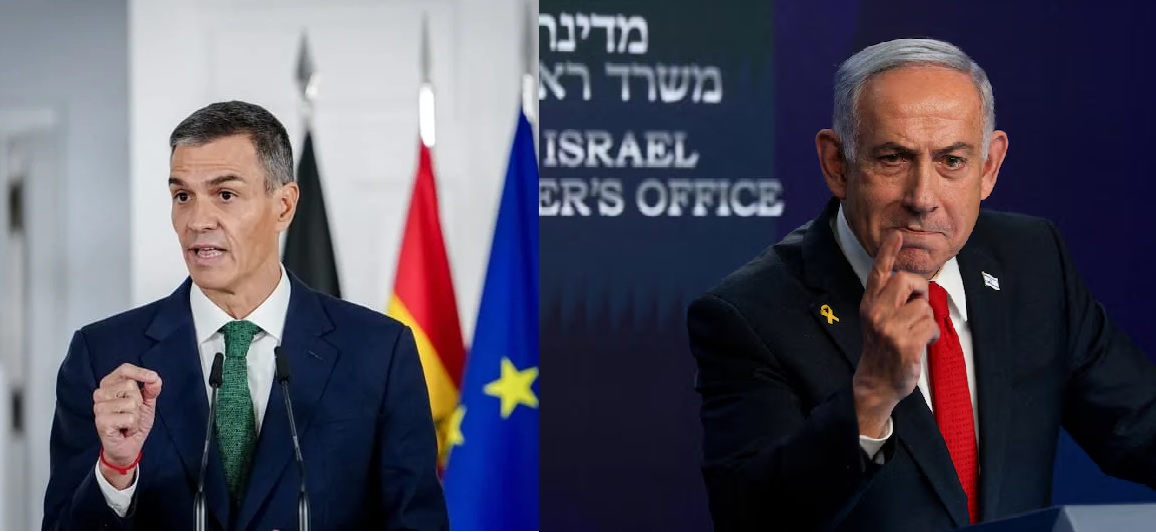
On Tuesday, September 23, 2025, the Spanish government approved a “total” arms embargo on Israel. The measure is part of a wider nine-point package proposed by Prime Minister Pedro Sánchez to respond to the military conflict in Gaza, which he described as “genocide.”
What the Embargo Does
Under the new decree:
-
All exports from Spain to Israel of defense equipment, dual-use goods or technologies (products that can be used for civilian or military ends) are banned.
-
All imports into Spain of defense or dual-use goods from Israel are also prohibited.
-
The decree blocks the transit of aircraft fuel through Spain if that fuel could have military applications.
-
It bans imports, sales, and even advertising of goods originating from Israeli settlements in occupied Palestinian territories.
-
Spain will also refuse Spanish ports or airspace access for arms shipments bound for Israel.
Although the decree takes effect immediately, it must be ratified by Spain’s parliament within 30 days to remain valid.
Some observers note that the text allows “exceptions in exceptional cases of national interest,” which could be politically contested.
Why Spain Did It
Spain says the embargo is a way to legislate what it says had been a de facto ban since the start of Israel’s recent military actions in Gaza. The government frames it as a moral and diplomatic step in defense of international humanitarian law, human rights, and in protest against civilian suffering in Gaza.
By making the embargo more robust and legally binding, Spain is also signaling to other European nations and the global community that it expects stronger action against arms flows in conflict zones.
How Much, and How Big an Effect on Israel?
Past Arms Exports from Spain to Israel
-
According to data from the United Nations COMTRADE, Spain’s exports of arms, ammunition, parts, and accessories to Israel in 2024 were just about USD 553 (i.e., negligible).
-
A Spanish government report, however, shows that between January 2023 and June 2024, Spain sold nearly €50 million of “non-lethal” defense items to Israel (mostly before the full Gaza war intensified).
-
The Spanish research group Delàs claims that from October 2023 to March 2024, there were 88 shipments from Spain to Israel, valued at €5.3 million, mostly in ammunition/munitions.
-
Spain also had approved contracts with Israeli defense firms: for example, a contract with Rafael (an Israeli defense company) to provide a laser guidance system for Spanish Eurofighter jets was cancelled after rising controversy and the new embargo.
Thus, Spain’s direct military exports to Israel in recent years have been quite limited. Most of what was exported was either non-lethal or pre-approved before the October 2023 war escalation.
Will It Hurt Israel?
In my view, the Spanish embargo is not going to deal a major blow to Israel’s military strength. Spain was never one of Israel’s big suppliers; that role is mainly played by the United States, Germany, and Israel’s own powerful domestic industry. The items that did come from Spain were mostly non-lethal equipment and spare parts, not the kind of offensive weapons that Israel depends on in war.
That’s why the embargo feels more like a political message than a military threat. Spain is saying: “We refuse to contribute even indirectly to this conflict.” And that matters diplomatically, because it can pressure other countries in Europe and beyond to consider similar steps.
That said, some disruptions may happen. For example, contracts with Israeli firms like Rafael or agreements involving Spike anti-tank systems could get complicated. Such cancellations won’t cripple Israel, but they could make cooperation harder in the short term.
So, in the end, the embargo won’t starve Israel of weapons, but it closes a door and sends a strong signal — one that strengthens Spain’s moral and legal position.
Challenges & Political Risks
Here, Spain is not free from problems either. The government itself is a minority coalition, so getting parliamentary approval will be tricky. Opposition parties or even allies might demand to water down the “exceptions” clause, making the decree less strict.
On the business side, Spanish companies tied to Israel may lose contracts and money, and they might even push back legally. Also, Spain’s own military could feel some pain if it has to replace Israeli components or technology that it had been using. That could mean higher costs and engineering headaches down the road.
And of course, critics are already saying this is just symbolic — a gesture that doesn’t really change anything on the battlefield.
To me, Spain’s embargo looks like a bold diplomatic gesture rather than a practical military sanction. It may not weaken Israel’s arsenal in any serious way, but it does put Spain on record as one of the strongest critics of the Gaza war in Europe. That symbolism carries weight — it spotlights arms flows in conflict zones and may inspire other countries to follow Spain’s example.
✍️ This article is written by the team of The Defense News.