Space Development Agency Awards $3.5 Billion to Deploy 72 Missile-Tracking Satellites in Low Earth Orbit

The Space Development Agency (SDA) has awarded approximately $3.5 billion in contracts to four defence and space companies to build and operate 72 missile-tracking satellites, marking a major expansion of the United States’ low Earth orbit (LEO) missile warning and defence architecture.
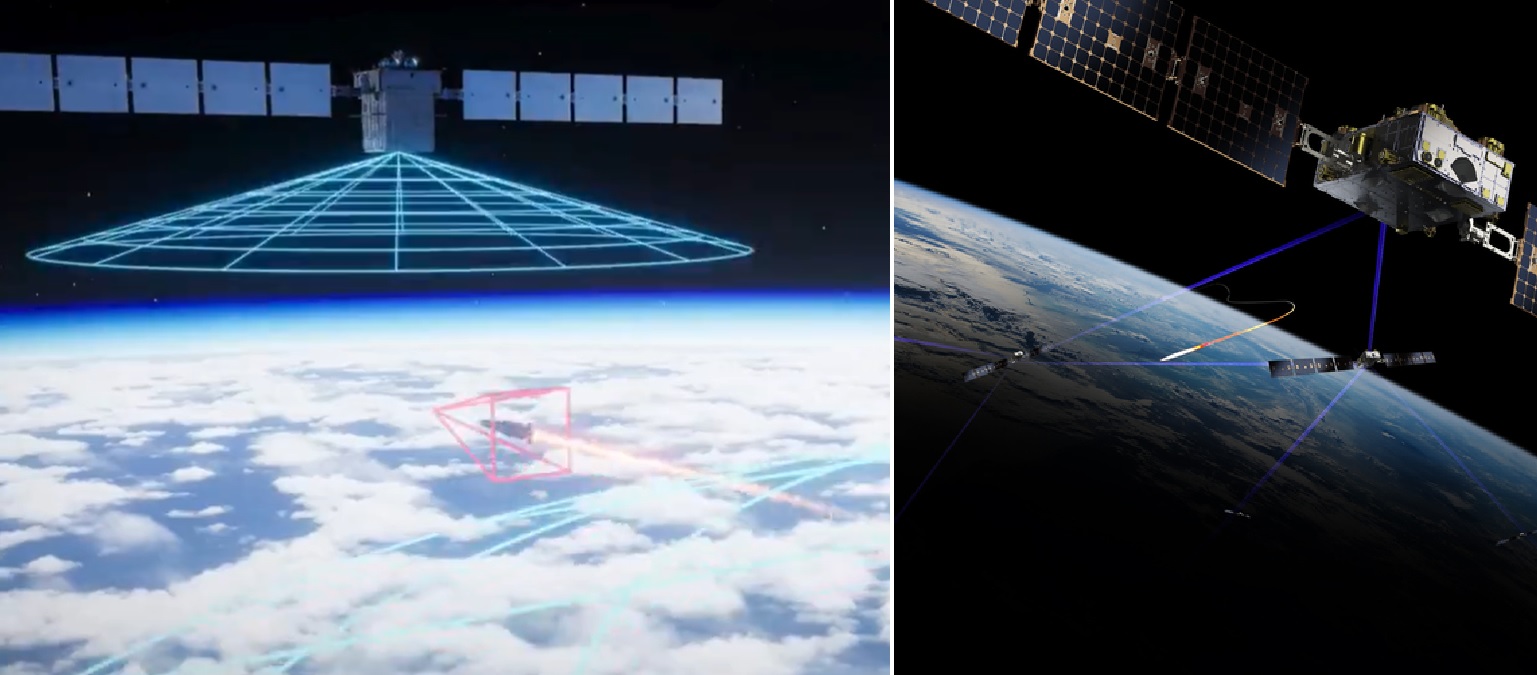
The awards cover the Tranche 3 Tracking Layer of the Proliferated Warfighter Space Architecture (PWSA), a central element of the Pentagon’s strategy to deploy a resilient, globally distributed sensor network capable of detecting, tracking and supporting the interception of advanced missile threats. The satellites will carry infrared payloads designed for missile warning, missile tracking and missile defence missions, with launches planned for fiscal year 2029.
Industry Teams and Contract Scope
The contracts were issued under Other Transaction Authority (OTA) agreements to teams led by Lockheed Martin, Rocket Lab USA, Northrop Grumman and L3Harris Technologies. Each prime contractor will deliver and operate 18 satellites, bringing the total constellation to 72 spacecraft.
According to the SDA, half of the Tranche 3 payloads will be configured to support advanced missile defence missions, including the generation of fire-control-quality tracking data. Once integrated with the PWSA Transport Layer, the Tracking Layer is expected to provide near-continuous global coverage and significantly improved accuracy against conventional and emerging threats.
Enhancing Coverage Against Advanced Threats
“The Tracking Layer of Tranche 3, once integrated with the PWSA Transport Layer, will significantly increase the coverage and accuracy needed to close kill chains against advanced adversary threats,” said SDA Acting Director Gurpartap “GP” Sandhoo. He added that the constellation would include a mix of missile warning and missile tracking sensors, enabling the architecture to keep pace with evolving threats such as hypersonic weapons.
Sandhoo described the Tranche 3 effort as a clear example of the SDA’s spiral development model, which prioritises rapid fielding, frequent upgrades and the continuous integration of next-generation technologies to maintain operational relevance.
Northrop Grumman’s Expanding Role
Northrop Grumman said its Tranche 3 Tracking Layer work will focus on providing precision fire-control sensing data and accelerating the global detection and tracking of hypersonic weapons from launch through interception. The company plans to manufacture 18 satellites equipped with advanced infrared sensors, using more than 30,000 square feet of dedicated production space.
The company noted that the Tranche 3 award builds on its wider involvement across multiple SDA tranches, with plans to deliver approximately 150 satellites across Tranches 1, 2 and 3 as part of the broader missile warning and tracking architecture.
“Northrop Grumman’s contributions to both high- and low-altitude layers of our nation’s missile warning and tracking architecture help protect the nation from a wide range of threats,” said Brandon White, vice president and general manager of the company’s space-enabled multi-domain operations division, citing its long-standing experience with Overhead Persistent Infrared (OPIR) satellite systems.
Building a Proliferated Space Architecture
The Proliferated Warfighter Space Architecture is the SDA’s flagship programme to deploy a mesh-networked constellation of satellites in low Earth orbit. Unlike legacy systems reliant on a limited number of large spacecraft, the PWSA uses a proliferated model with many smaller satellites spread across multiple orbital planes, improving resilience, survivability and data latency.
The Tranche 3 Tracking Layer builds on earlier SDA generations by expanding coverage and enhancing performance against advanced missile threats, including hypersonic systems. Each satellite will be interoperable with other PWSA space vehicles and operate through a common ground system integrated with the Transport Layer’s low-latency communications network.
Northrop Grumman said the first plane of its Tranche 1 Transport Layer satellites is scheduled for launch in early 2026, a key milestone in the rollout of the next-generation constellation.
Outlook
With the Tranche 3 Tracking Layer contracts now in place, the Space Development Agency is advancing toward its goal of delivering a globally persistent, rapidly upgradable missile warning and defence capability by the end of the decade. Defence officials view the combination of proliferated sensors, resilient communications and continuous technology refresh as critical to countering increasingly sophisticated missile threats and maintaining strategic deterrence in space.
✍️ This article is written by the team of The Defense News.