South Korea’s Military Faces Sharp Decline as Birthrate Crisis Deepens
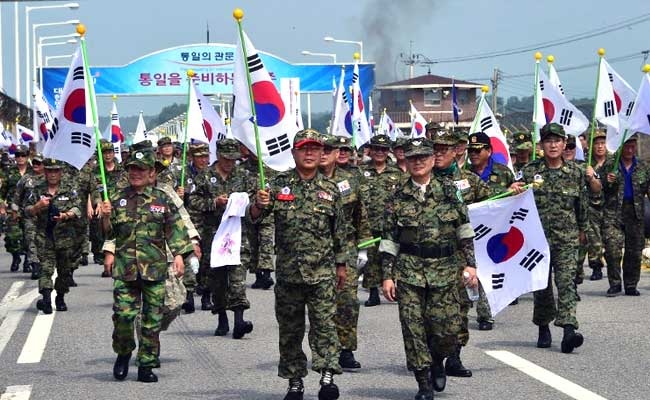
South Korea’s armed forces are shrinking at a pace that is alarming military planners, with troop numbers down by 20 percent in just six years. The total active personnel now stands at around 450,000, compared to over 560,000 in 2019, and far below the 690,000 soldiers the country maintained in the early 2000s.
Officials say the main reason is simple but serious — there are far fewer young men available to serve. The number of 20-year-old males, the core pool for conscription, has dropped by about 30 percent since 2019. This drop is linked to the country’s record-low fertility rate, which hit just 0.75 births per woman in 2024, the lowest in the world and well under the level needed to sustain the population.
The shortage is creating a gap of about 50,000 soldiers needed to meet operational requirements, including 21,000 non-commissioned officer positions. This comes despite South Korea approving a 2025 defense budget of over 61 trillion won (around $43.9 billion), a figure larger than North Korea’s entire economy.
Military service is mandatory for able-bodied men between the ages of 18 and 28, lasting from 18 to 24 months depending on the branch. This is much shorter than the 36 months required during the Korean War era, thanks to better technology, more efficient training, and strong military cooperation with the United States.
Still, experts warn that reduced service time cannot fully offset the loss in manpower. South Korea’s total population, which peaked at 51.8 million in 2020, is expected to drop to around 36 million by 2072. With North Korea maintaining an estimated 1.2 million active troops and millions more in reserve forces, the imbalance could grow wider in the coming decades.
The government is exploring solutions such as increasing recruitment of women, expanding the role of reservists, and investing more heavily in drones, AI-driven defense systems, and automated surveillance to make up for the human shortfall. However, demographic trends suggest that manpower shortages will remain a long-term challenge for the nation’s defense strategy.
✍️ This article is written by the team of The Defense News.