South Korean President Yoon Withdraw Martial Law Order After Swift Backlash
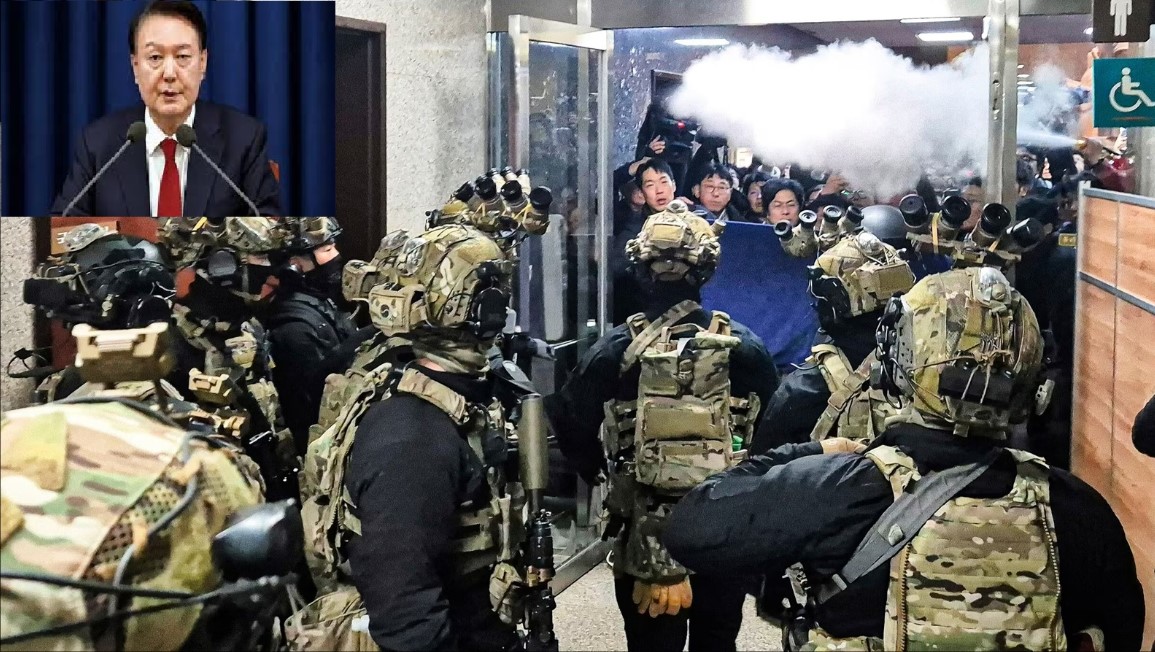
In a dramatic and unprecedented turn of events, South Korean President Yoon Suk Yeol declared martial law on December 3, 2024, only to withdraw the order within hours after facing intense opposition from the National Assembly and widespread public protests. The decision, which marked South Korea's first imposition of martial law in over four decades, has sent shockwaves through the nation and drawn international attention to the state of its democracy.
President Yoon's initial announcement came during a televised address where he cited the need to counter "anti-state forces" and protect South Korea from what he described as a growing threat from North Korea. He accused the opposition of undermining governance and collaborating with Pyongyang, labeling North Korea as a "communist regime" that posed a danger to South Korea’s democratic stability. The martial law order authorized the military to take control of civilian affairs, suspend basic rights, and restrict political activities—measures that evoked memories of South Korea's authoritarian past.
The reaction was swift and overwhelming. Within hours of the declaration, lawmakers convened an emergency midnight session in the National Assembly, where they unanimously passed a resolution rejecting the imposition of martial law. Outside parliament, thousands of citizens gathered in defiance, chanting slogans against the government’s authoritarian move and demanding its immediate repeal. The backlash was not limited to domestic quarters; international observers expressed concern about the erosion of democratic principles in a country often seen as a model of post-authoritarian reform.
Under mounting pressure, President Yoon announced his decision to honor the Assembly’s resolution and rescind the martial law order through an emergency Cabinet meeting. "I have heard the voices of the people and the Assembly," he said in a follow-up address. "I am committed to preserving our democratic values, even in the face of adversity."
This episode comes at a challenging time for Yoon’s administration. His approval ratings have plummeted amid economic difficulties and persistent friction with an opposition-controlled parliament. Critics argue that the martial law declaration was a desperate attempt to consolidate power and silence dissent, a move that ultimately backfired and exposed the vulnerabilities of his leadership.
The rapid imposition and retraction of martial law have sparked intense debate about the balance of power between South Korea’s executive and legislative branches. Analysts warn that such drastic measures could undermine public trust in democratic institutions and set a dangerous precedent for future administrations.
The incident also underscores the fragile political climate in South Korea, where historical divisions between conservatives and progressives often play out in high-stakes confrontations. As President Yoon navigates the fallout from this crisis, the episode will likely be remembered as a pivotal moment in his presidency—one that tested the resilience of South Korea’s democracy and its commitment to constitutional governance.
Internationally, the situation has drawn comparisons to other democracies grappling with authoritarian tendencies, raising broader questions about how nations balance security concerns with democratic integrity. While President Yoon’s decision to reverse the martial law order may have averted a deeper political crisis, it also serves as a stark reminder of the fragile nature of democratic governance in turbulent times.
✍️ This article is written by the team of The Defense News.