South Korea Reopens Moscow Channel on North Korea as Russia–Pyongyang Military Axis Raises Alarm
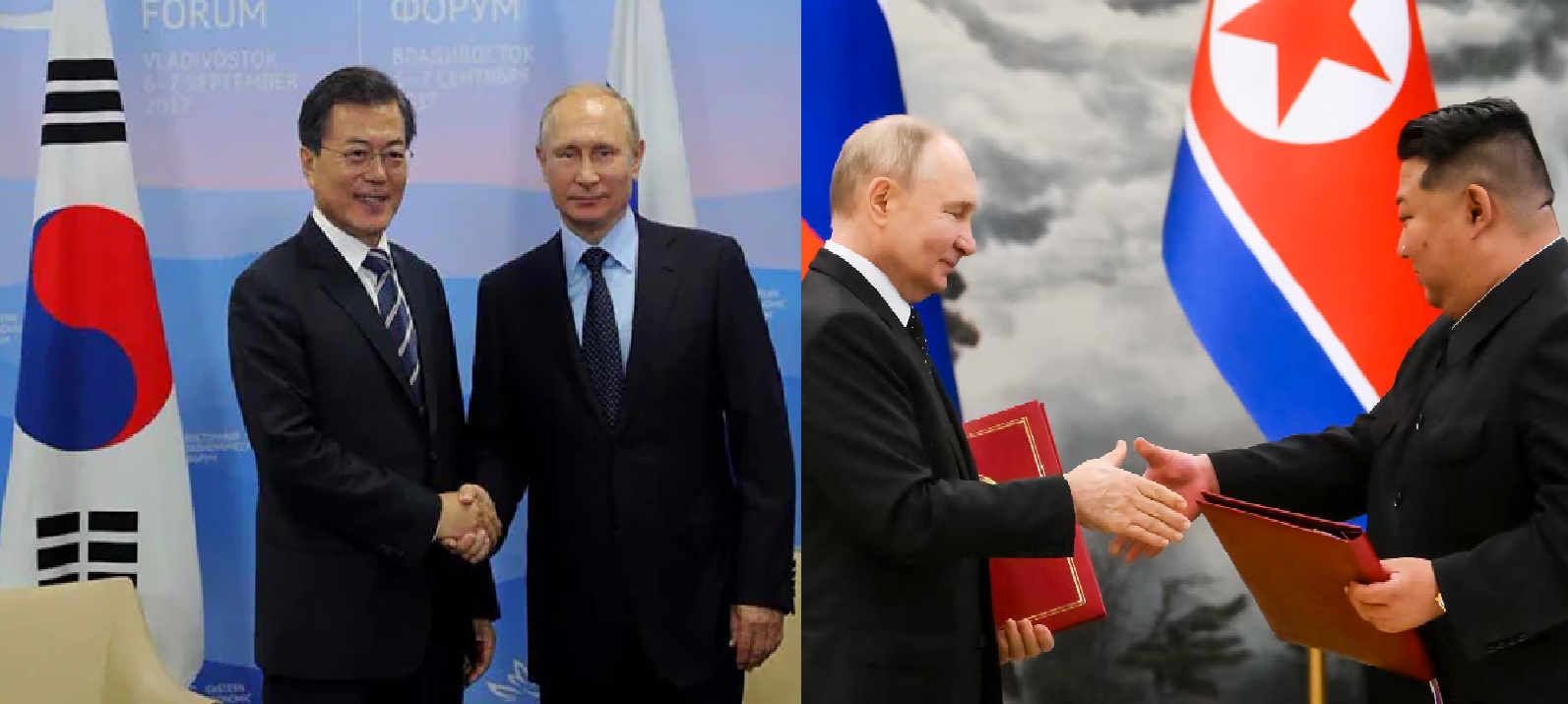
South Korean officials have quietly held closed-door discussions in Moscow with their Russian counterparts on North Korea’s nuclear program and regional security, marking the first substantive engagement on the issue since Pyongyang began sending troops to support Russia’s war in Ukraine in October 2024, according to diplomatic and media sources.
The meeting involved a senior South Korean Foreign Ministry official overseeing North Korea’s nuclear affairs and Oleg Burmistrov, Russia’s ambassador-at-large responsible for the Korean Peninsula. The talks, held without public announcement, focused on developments in North Korea’s weapons programs and the broader security implications of the rapidly strengthening Russia–North Korea partnership.
South Korea reportedly urged Moscow to play a “constructive role” in maintaining stability on the Korean Peninsula and to adhere to its obligations under United Nations Security Council resolutions restricting North Korea’s nuclear and missile activities. The outreach reflects Seoul’s growing concern that the war in Ukraine is reshaping security dynamics far beyond Europe.
Fears of Strategic Technology Transfers
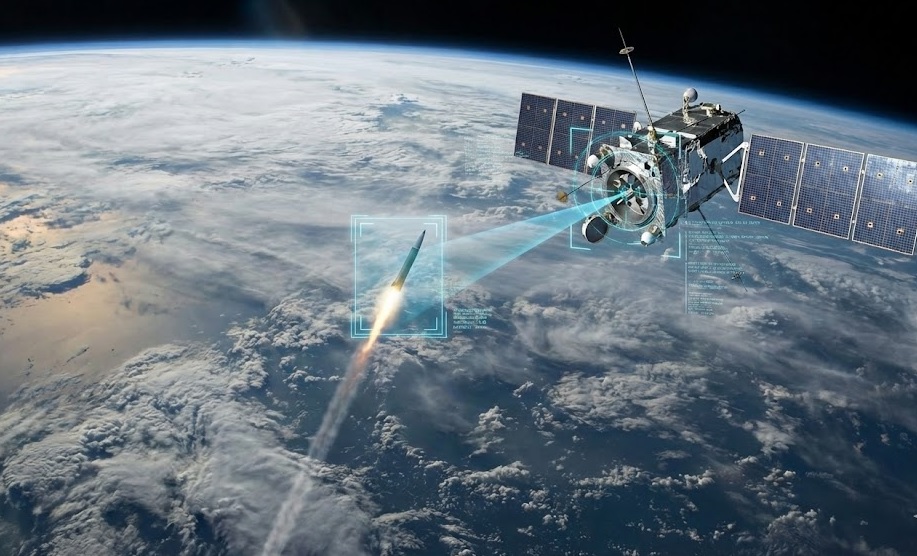
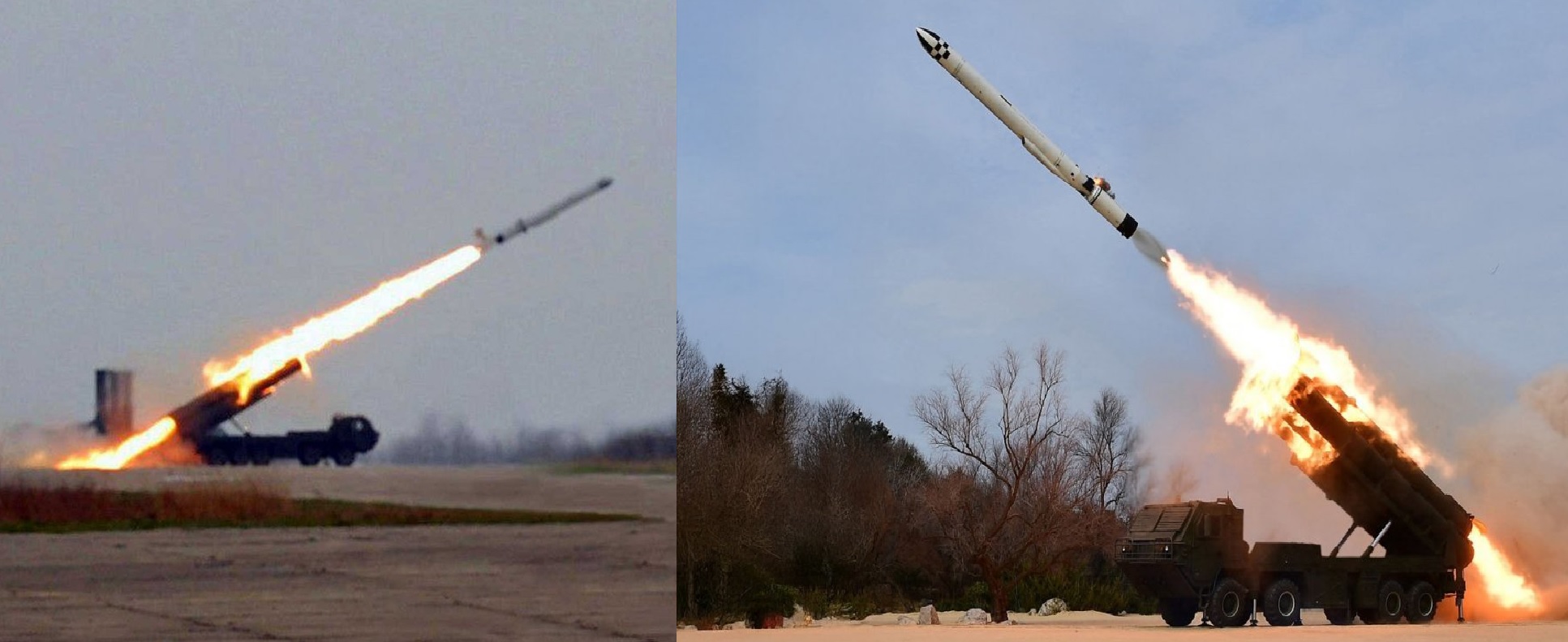
At the core of Seoul’s concern is the possibility that Russia could transfer advanced military technologies to North Korea in return for manpower and ammunition. South Korean officials have repeatedly warned that such cooperation could accelerate Pyongyang’s progress in critical areas, including intercontinental ballistic missiles (ICBMs), military reconnaissance satellites, and nuclear-powered submarines.
These fears have intensified following North Korean state media reports in late 2025 showing leader Kim Jong Un inspecting advanced weapons projects, including a nuclear-powered submarine under development. While no direct evidence of Russian assistance has been publicly confirmed, Seoul and its allies assess that North Korea could seek Russian expertise to overcome longstanding technical hurdles.
Diplomatic Reset Amid Frozen Relations
Relations between Seoul and Moscow have steadily deteriorated since Russia’s invasion of Ukraine and its subsequent strategic alignment with Pyongyang. High-level dialogue has been limited, with only brief encounters such as a short exchange between South Korean Foreign Minister Cho Tae-yul and Russian Foreign Minister Sergey Lavrov on the sidelines of the UN General Assembly in September 2025.
The Moscow talks therefore represent a cautious attempt by South Korea to reopen a working-level channel on an issue it views as existential to its national security. South Korean officials see Russia as a key actor with potential influence over Pyongyang, particularly as Seoul explores possibilities for reviving inter-Korean dialogue in 2026.
Russia Downplays the Meeting
Moscow has publicly played down the significance of the reported talks. Russian Foreign Ministry spokesperson Maria Zakharova dismissed media reports describing the meeting as official negotiations on the North Korean nuclear issue, suggesting the visit was unrelated to formal diplomatic discussions.
The contrasting narratives highlight the sensitivity surrounding Russia’s relationship with North Korea. While Russia has defended its cooperation with Pyongyang as legitimate, it has also sought to avoid international scrutiny over potential violations of UN sanctions.
North Korea’s Growing Role in the Ukraine War
The diplomatic maneuvering comes against the backdrop of North Korea’s expanding involvement in the Ukraine conflict. South Korean and allied intelligence assessments estimate that thousands of North Korean troops have been deployed to support Russian operations, with reports of significant casualties. Pyongyang has neither confirmed nor denied the deployments, but both countries have portrayed their cooperation as part of a broader strategic partnership.
Analysts in Seoul warn that the longer the war continues, the greater the risk that military cooperation between Moscow and Pyongyang will spill over into prohibited areas, directly affecting security in Northeast Asia.
A Broader Security Crossroads
The quiet Moscow meeting underscores how North Korea’s nuclear issue has become increasingly entangled with global geopolitics, particularly the war in Ukraine. For South Korea, engaging Russia—even amid strained relations—appears aimed at limiting worst-case outcomes rather than signaling a broader diplomatic thaw.
As regional tensions rise and alliances harden, Seoul’s discreet outreach suggests a recognition that managing the North Korean nuclear threat may now require dialogue not only with Pyongyang, but also with the powers reshaping its strategic calculations.
✍️ This article is written by the team of The Defense News.