South Korea Likely Scraps 36 Apache Helicopter Deal as Budget Priorities Shift Toward Drones

South Korea is expected to abandon its plan to purchase 36 additional AH-64 Apache attack helicopters after the government drastically slashed the allocated budget in its recently approved supplementary defense plan. The funding for the acquisition, originally set at 10 billion won (about USD 7.3 million), was reduced to just 300 million won, making the execution of the program practically impossible.
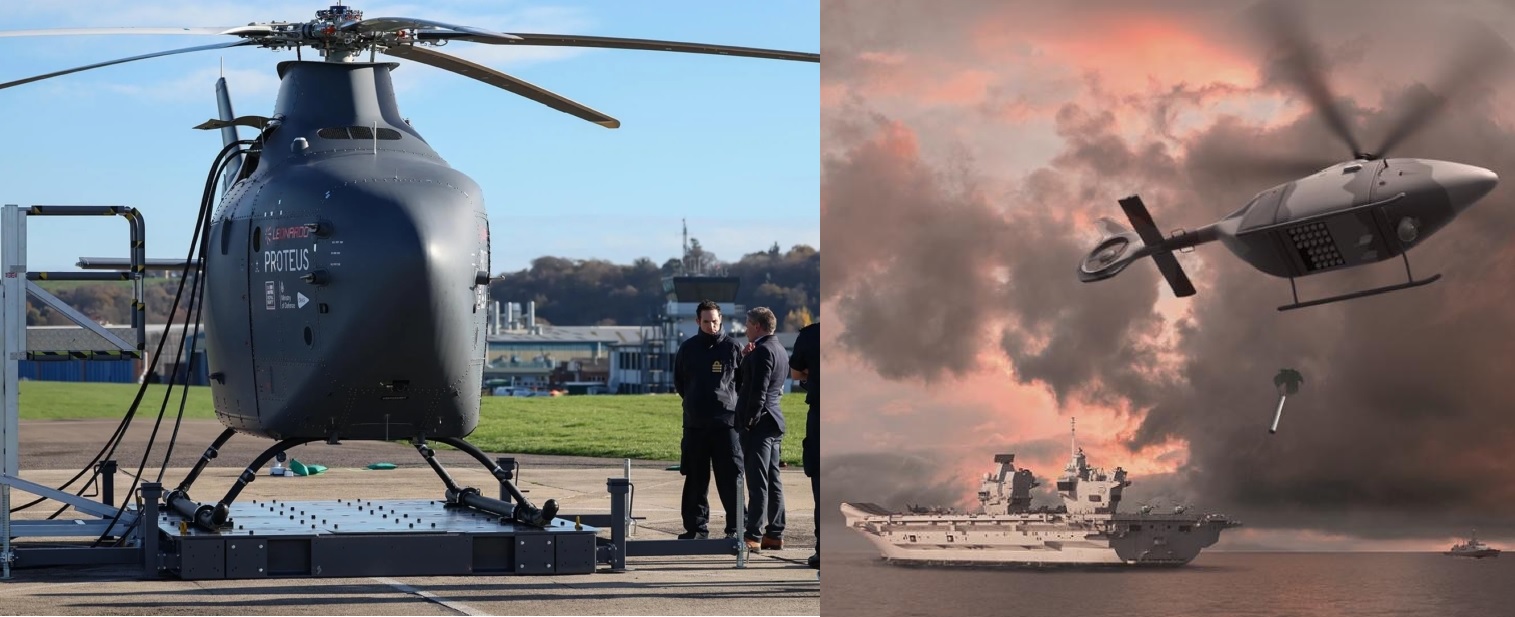
The move comes amid growing shifts in global military priorities, especially toward next-generation unmanned systems and integrated manned-unmanned operations. According to South Korea's Ministry of National Defense and opposition lawmaker Rep. Yoo Yong-won, the decision reflects changing battlefield realities and technological advancements. The Joint Chiefs of Staff had already begun a formal review of the Apache purchase plan in May, exploring whether alternative options—such as manned-unmanned teaming (MUM-T) platforms—would better suit the Republic of Korea (ROK) Army’s future needs.
Rep. Yoo welcomed the decision, saying it aligns with how modern militaries, including the U.S. Army, are shifting focus from older, maintenance-heavy helicopters to more flexible and cost-effective drone systems. The U.S., for instance, has gradually scaled down its reliance on AH-64 Apaches and expanded use of advanced unmanned aerial vehicles (UAVs) like the MQ-1C Gray Eagle, which can operate independently or in tandem with crewed aircraft.
The AH-64E Apache Guardian—the model South Korea currently operates—is one of the most advanced variants of the Apache family. Equipped with powerful GE T700-701D engines, a Longbow fire-control radar, modern avionics, and Link 16 communication capability, it is built for high-threat environments. The helicopter carries a mix of AGM-114 Hellfire missiles, Hydra 70 rockets, and a 30mm M230 chain gun, offering devastating precision strike capabilities.
South Korea already operates 36 AH-64Es acquired under a 2013 contract with Boeing. The now-cancelled plan would have doubled the fleet size. However, given the platform’s high maintenance cost, reliance on foreign support, and changing nature of warfare, defense planners are rethinking such investments. Instead, there's an increasing push to develop or acquire unmanned systems that can operate in swarms, reduce human risk, and provide persistent surveillance and strike capabilities across contested zones.
The 300 million won that remains from the original budget is expected to be redirected to other military modernization programs, though details remain undisclosed. Speculation points to an acceleration of investments in Korean-developed drone projects and network-centric warfare systems.
As regional threats evolve and new military doctrines take shape, South Korea appears to be prioritizing future-proof defense technologies over legacy platforms—signaling a strategic turn in how it prepares for tomorrow’s battles.
✍️ This article is written by the team of The Defense News.