South Korea Deploys Heavy Hyunmoo-5 Ballistic Missile in Show of Force Against North

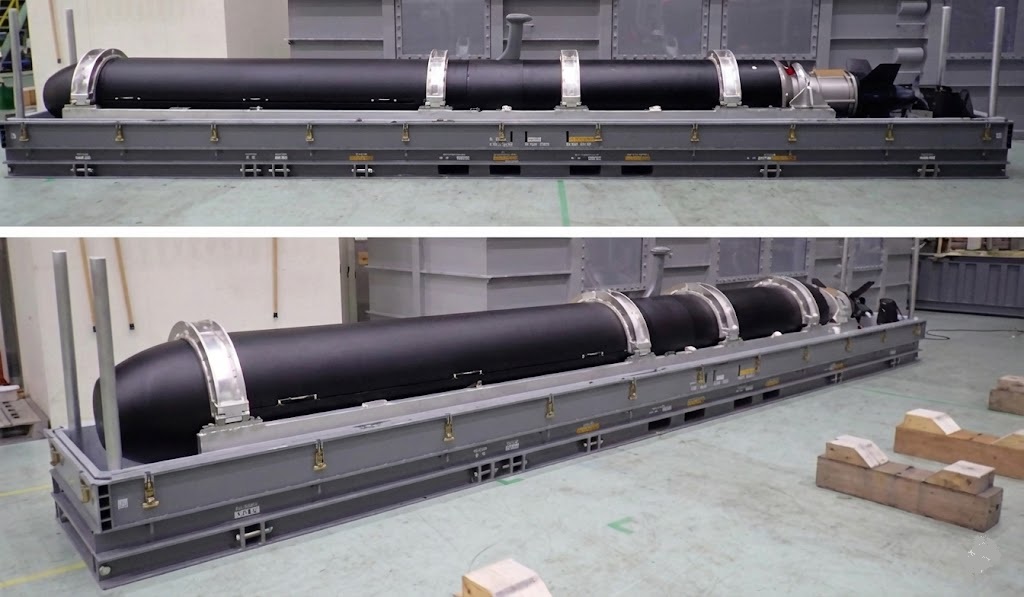
SEOUL : South Korea has begun deploying its most powerful conventional ballistic missile, the Hyunmoo-5 — widely dubbed the “monster missile” — to frontline operational units, marking a decisive escalation in Seoul’s military deterrence posture against mounting nuclear and missile threats from North Korea.
According to South Korean defence officials, the phased deployment process began in late 2025 and has now entered active frontline integration. The move represents the culmination of years of development aimed at countering Pyongyang’s deeply buried command centers, missile silos, and hardened underground facilities — assets long considered central to North Korea’s survivability in any conflict.
A New Pillar of South Korea’s Deterrence Strategy
The Hyunmoo-5 is the largest and most destructive conventional missile ever fielded by South Korea. Designed as a high-mass, bunker-busting ballistic missile, it forms a key component of Seoul’s evolving “three-axis” defense concept, which combines pre-emptive strike capabilities, missile defense, and massive retaliation options.
Unlike earlier Hyunmoo variants, the Hyunmoo-5 is explicitly optimized for destroying deeply buried and reinforced targets. South Korean military planners have described it as a non-nuclear strategic weapon intended to neutralize leadership bunkers and underground weapons infrastructure without crossing the nuclear threshold.
Unprecedented Size and Firepower
Military analysts estimate the Hyunmoo-5 weighs roughly 36 tons, making it significantly heavier than most short- and medium-range ballistic missiles in service worldwide. Its payload capacity — reported to reach up to eight tons — allows it to carry an exceptionally large penetrator warhead capable of striking targets located tens of meters underground.
The missile uses solid fuel and is launched from a road-mobile transporter-erector-launcher (TEL), enhancing survivability and operational flexibility in a conflict scenario. While precise performance figures remain classified, defence sources indicate the missile’s range can vary depending on payload configuration, prioritizing destructive power over maximum distance.
From Parade Showcase to Operational Reality
The Hyunmoo-5 was first publicly unveiled during South Korea’s Armed Forces Day parade in October 2024, where it immediately drew international attention due to its sheer size and explicit bunker-buster role. At the time, officials confirmed that development and testing had been completed and that mass production was imminent.
By 2025, South Korea’s defence ministry announced that production lines were active and that the missile would be inducted into operational units before the end of the year. The current deployment confirms that the system has now moved beyond symbolic display and into active military planning.
Message to Pyongyang and the Region
South Korean officials have framed the deployment as a defensive necessity in response to North Korea’s expanding nuclear arsenal, solid-fuel intercontinental ballistic missiles, and an increasingly sophisticated underground basing network. In recent years, Pyongyang has emphasized its ability to conduct nuclear strikes from concealed and hardened positions, complicating deterrence and pre-emptive strike calculations.
By fielding the Hyunmoo-5, Seoul aims to signal that even the most fortified underground facilities are no longer invulnerable. The missile’s introduction is intended to strengthen deterrence by raising the potential cost of aggression to an unacceptable level.
Strategic Risks and Escalation Concerns
While the deployment strengthens South Korea’s conventional strike capability, it also introduces new escalation dynamics. North Korea has repeatedly condemned South Korean missile developments as provocative and has historically responded to similar moves with weapons tests and aggressive rhetoric.
Regional analysts warn that the operational deployment of such a high-destructive-power missile could further intensify the arms competition on the Korean Peninsula, particularly if Pyongyang accelerates its own missile programs or bunker-hardening efforts in response.
Looking Ahead
South Korea is expected to continue expanding its Hyunmoo-5 inventory over the coming years while integrating the missile into joint operational planning with allied forces. Defence officials emphasize that the weapon is intended as a deterrent of last resort — but its deployment underscores how sharply security conditions on the peninsula have deteriorated.
As tensions remain high and diplomatic channels with North Korea largely frozen, the arrival of the Hyunmoo-5 on frontline units signals a new and more muscular phase in South Korea’s approach to national defense — one built on the ability to strike deeper, harder, and with unprecedented conventional force.
About the Author
Aditya Kumar:
Defense & Geopolitics Analyst
Aditya Kumar tracks military developments in South Asia, specializing in Indian missile technology and naval strategy.