South Korea Begins Development of Hydrogen-Powered K3 Main Battle Tank to Replace K2
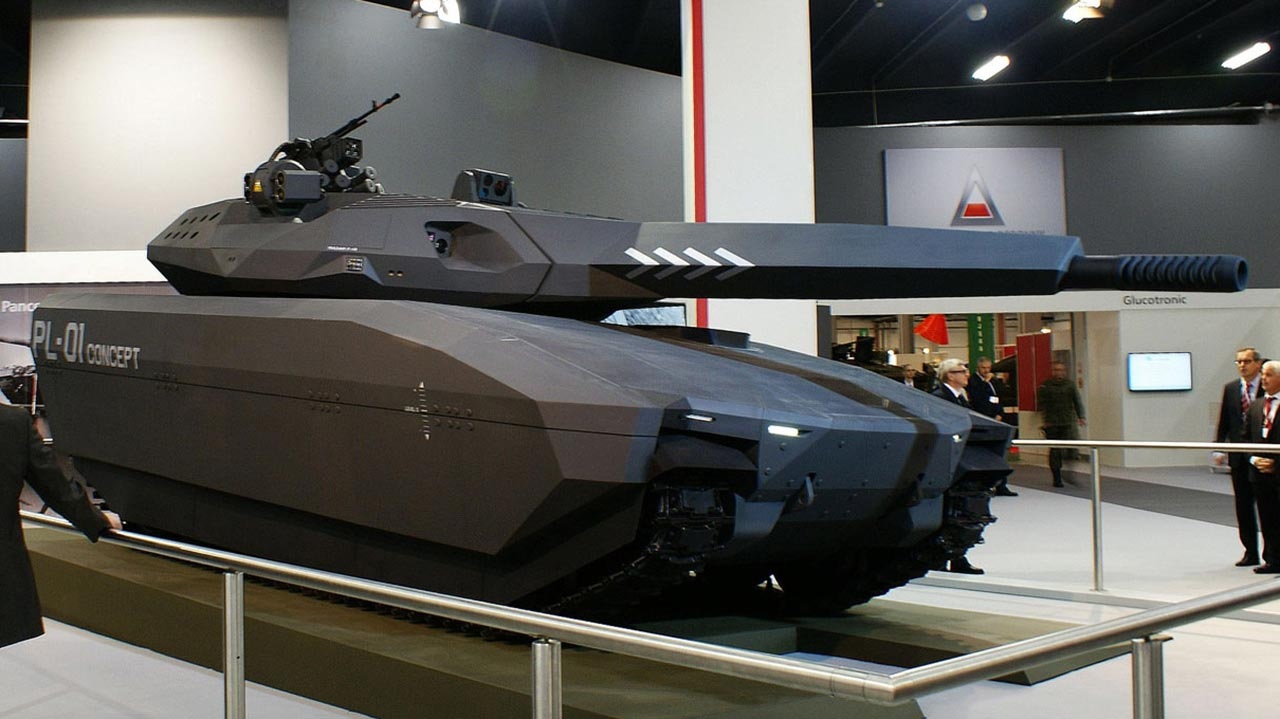
In a bold leap toward futuristic armored warfare, South Korea has begun development of the hydrogen-powered K3 main battle tank, a next-generation platform set to eventually replace the highly regarded K2 Black Panther. Spearheaded by Hyundai Rotem, the K3 will be one of the first main battle tanks in the world to integrate hydrogen fuel cell technology, offering a quieter, more efficient, and stealthier alternative to traditional diesel engines.
A Tank That Breathes Hydrogen
At the heart of the K3 is a hybrid hydrogen-diesel propulsion system, a transitional setup with the long-term goal of achieving a fully hydrogen-powered tank. The hydrogen fuel cells are expected to significantly reduce the tank’s heat and acoustic signatures, which would make it harder for enemies to detect. It also promises greater fuel efficiency and reduced maintenance costs, making it ideal for long, sustained operations in diverse terrain.
This shift from conventional combustion to hydrogen is no small feat. Fuel cell tanks demand entirely new architecture, including advanced cooling systems, robust storage for compressed hydrogen, and infrastructure for refueling in field conditions—an ongoing challenge for militaries worldwide. However, South Korea’s investment in the hydrogen economy, both civilian and military, provides a supportive ecosystem for this bold innovation.
Armed with Intelligence and Firepower
The K3 will be armed with a 130mm smoothbore gun mounted on an unmanned turret, giving it significantly more firepower than the current K2's 120mm gun. The main gun will be complemented by AI-powered fire control systems, allowing it to identify and hit targets up to 5 kilometers (3.1 miles) away with precision.
To tackle both near and distant threats, the K3 will also deploy anti-tank guided missiles with ranges of up to 8 kilometers (5 miles), and a remote weapon station capable of mounting weapons ranging from 12.7mm to 30mm.
Crew Protection Redefined
Hyundai Rotem is prioritizing crew survivability by seating the three-person crew (driver, commander, and gunner) inside an armored capsule at the front of the hull, separated from the turret and ammunition storage. This design approach is not just safer—it also reflects a growing trend toward human-machine teaming in armored platforms.
The K3’s active defense suite includes:
-
Hard-kill active protection systems for intercepting incoming rounds
-
Directional infrared countermeasures to deflect heat-seeking missiles
-
Drone-jamming systems to neutralize small aerial threats
For enhanced visibility and decision-making, the tank will feature a 360-degree virtual reality system, large digital displays, autonomous driving capability, and even a drone-launch system mounted on the turret for reconnaissance and overwatch.
Challenges
While the vision for the K3 is ambitious, there are real technical and logistical hurdles. Hydrogen storage and distribution remain major concerns. Storing compressed hydrogen safely on a battlefield, protecting it from enemy fire, and establishing mobile or secure refueling infrastructure in combat zones are critical technical barriers that must be overcome.
Furthermore, integrating high-energy systems, like advanced sensors and AI algorithms, into a compact, survivable tank platform demands both power and cooling efficiency—an area where Hyundai Rotem will need to innovate aggressively.
Powered by Experience
Hyundai Rotem isn't new to cutting-edge tank manufacturing. Its K2 Black Panther is already in service in South Korea and is now being exported to Poland. In fact, Hyundai signed a $6.5 billion contract with Poland for local production of the K2, including technology transfer and infrastructure development.
As of mid-2025, 133 out of 180 K2s from the initial Polish contract have already been delivered. This operational success provides Hyundai with both the financial and technical momentum to take on the more complex K3 project.
A Vision for Future Warfare
Hyundai Rotem has positioned the K3 as a symbol of future warfare—a platform that not only fights smarter and cleaner but also ensures the safety of those operating it. As battlefield conditions evolve rapidly with drones, sensors, and AI shaping the frontlines, the K3 is a bold answer to the question: What should tomorrow's tank look like?
By merging AI, clean energy, and advanced firepower, South Korea's K3 project could redefine armored combat—not just for Korea, but for the world.
✍️ This article is written by the team of The Defense News.